
 AC repair
 Furnace & heating
 Heat pumps
 Ductless mini splits
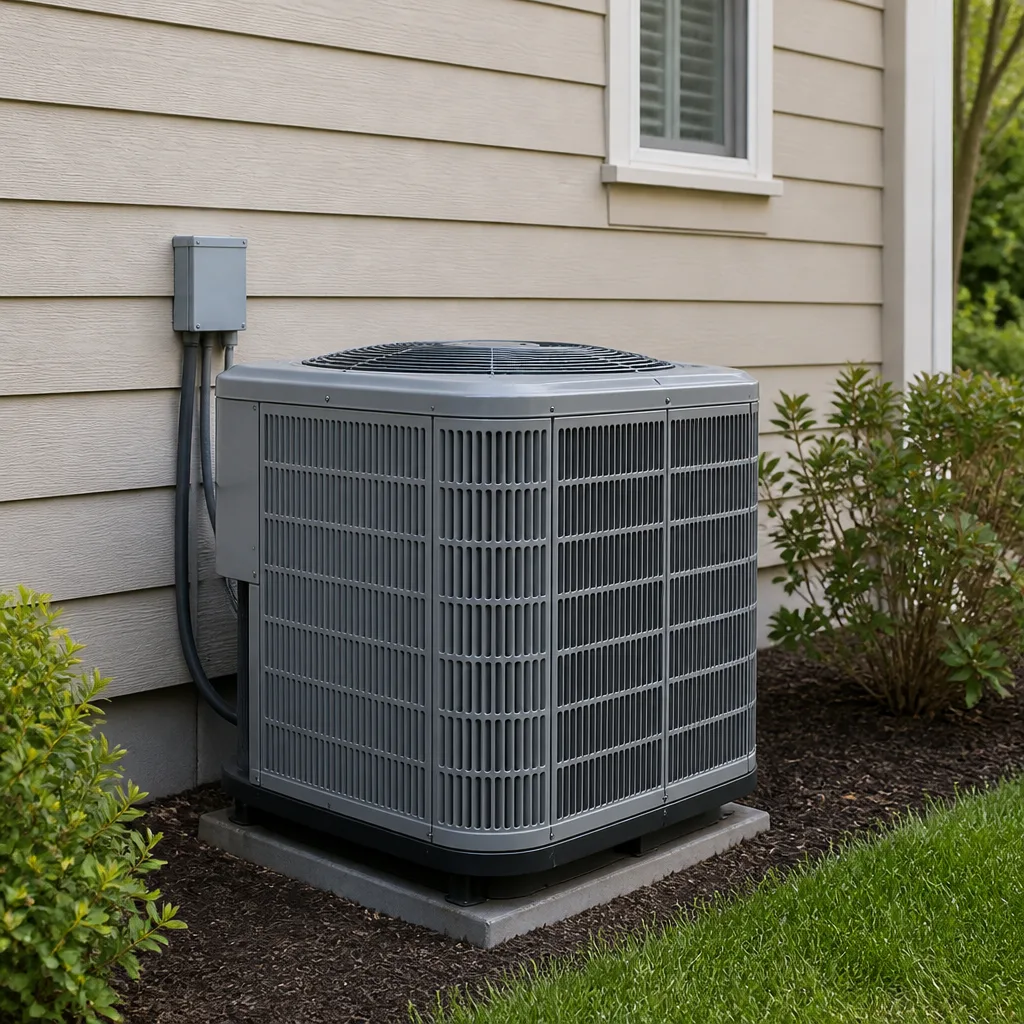 Carrier
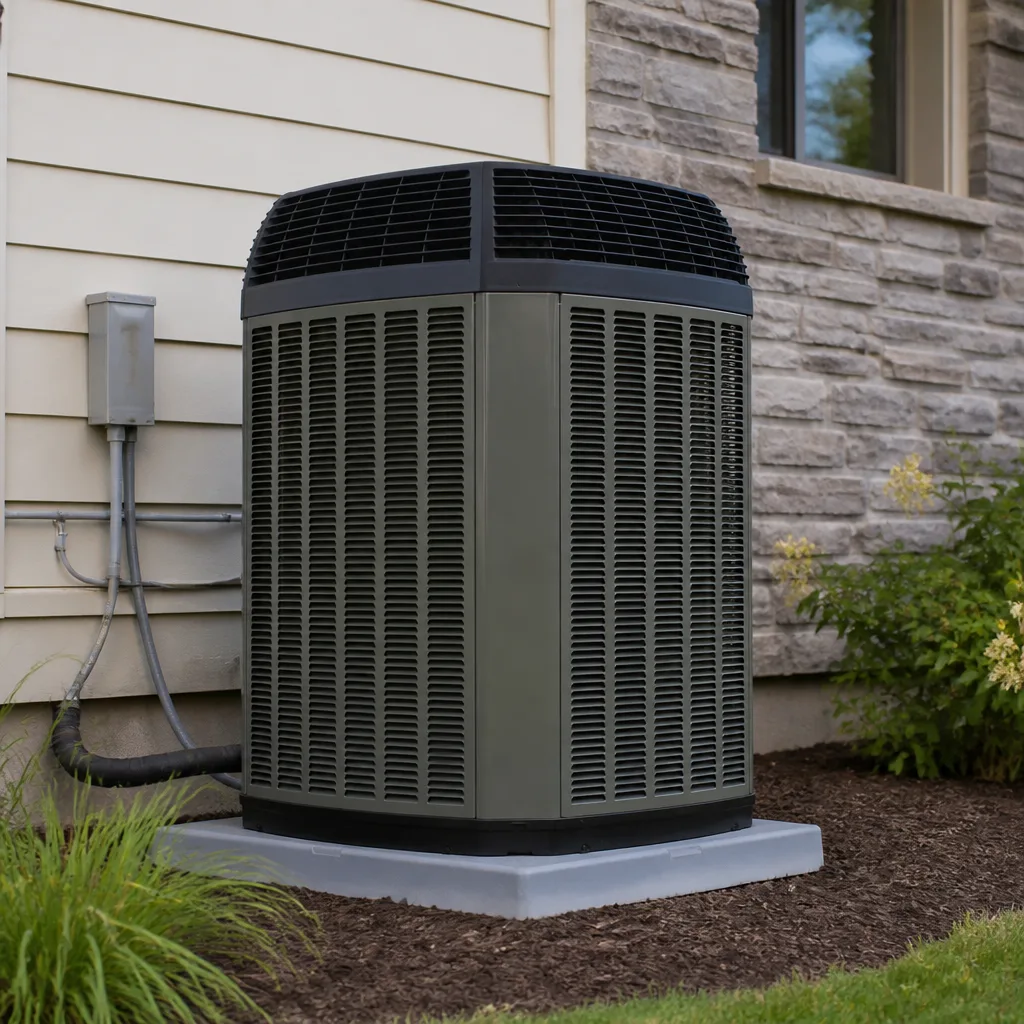 Trane
Trane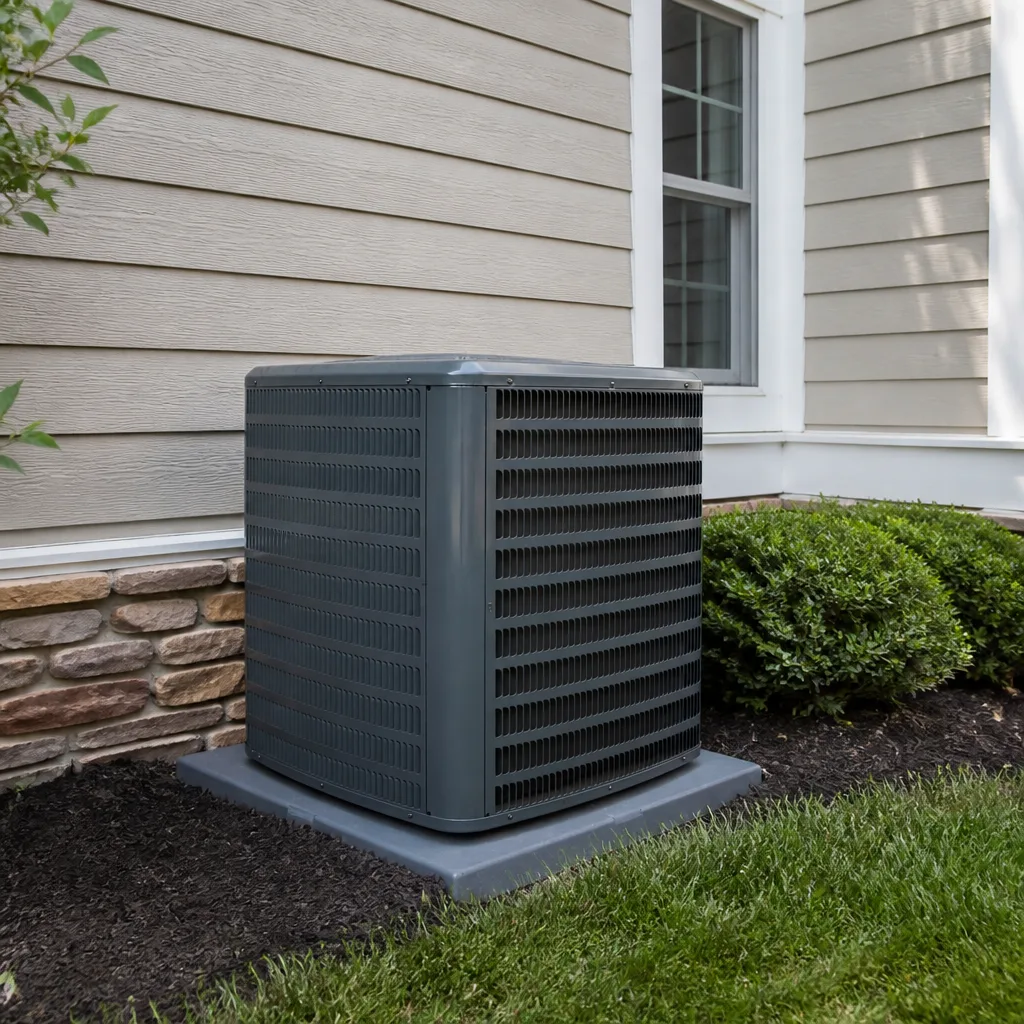 Goodman
Seasonal tune-up and full diagnostic on your Carrier, Trane, or Goodman system - readings shown to you before any repair is proposed
Diagnosis first, numbers second - you approve the repair price before a single part goes in.
Get your free estimateTrane Ductwork Repair: The Austin Owner’s Guide
Trane ductwork repair in Austin typically runs $300 – $900 depending on how much duct has failed, where it’s located, and whether we’re sealing, replacing sections, or reconnecting supply runs. Most jobs are completed same-day because we stock Trane-compatible flexible duct, metal collars, mastic, and sealing tape on the truck. The way homeowners usually discover they need duct repair is a room that won’t cool, a whistle behind the wall, or an electric bill that jumped $100 in July without a change in thermostat habits.
Ductwork is the delivery system for every conditioned dollar your Trane system produces. A leaky or disconnected duct in an Austin attic can dump 20 – 30% of your cooled air into unconditioned space. In a city where attic temperatures hit 140°F in August, that’s not a small inefficiency. That’s money bleeding through your roof deck. Devin Marlowe has opened enough Austin attics in July to tell you plainly: most duct failures are predictable, preventable, and far cheaper to fix than the energy waste they cause if ignored.
Which Trane Models This Applies To
Ductwork repair isn’t tied to one Trane model line the way a control board or blower motor is. The ducts in your home were sized and installed to match airflow requirements for whatever Trane system you have, whether that’s an XR13, XL16i, XV18, or one of the newer Trane variable-speed platforms. What matters is static pressure, CFM requirements, and duct diameter. A Trane XV20i pushing 2,000 CFM through undersized or leaking duct is a system working twice as hard for half the comfort.
The compatibility gotcha most owners don’t know: Trane systems with variable-speed air handlers are far less forgiving of duct leaks than old single-stage units. The system ramps up to meet the load, detects the pressure drop from leaking duct, and works harder to compensate. That means the same 12-year-old ductwork that worked fine on a builder-grade Trane XR80 can cause real problems the day you upgrade to a variable-speed Trane air handler. If you’re planning an equipment swap, have the ducts inspected first. We also stock parts for Carrier and Lennox systems when we encounter them, but Trane duct sizing is what we’re asked about most.
Styles & brands we work with
Signs Your Trane Ductwork Repair Is Failing
- One room that never reaches temperature. A disconnected or crushed flex duct serving that room means the air is leaving the plenum but never arriving at the register. We see this in Austin homes where attic storage boxes shifted and crushed a run.
- Dust accumulating fast on registers and furniture. Negative pressure from leaking return ducts pulls attic insulation and dust into the conditioned space. If your return air is pulling from the attic instead of the living space, every particle in that attic ends up in your air and on your Trane’s evaporator coil.
- A sudden spike in your Austin summer electric bill. A 25% duct leak doesn’t feel like anything at the register, but it shows up fast on your bill. If July’s bill is $150 higher than last July and you haven’t changed the thermostat, suspect the duct, not the compressor.
- A whistle or soft hiss behind a wall or in the ceiling. Air under pressure escaping through a small separation sounds like a faint whistle. It’s often hardest to hear when the system first kicks on.
- Rooms that are cold in winter but hot in summer, or vice versa. A leaky supply duct near a poorly insulated chase can dump conditioned air into unconditioned space before it ever reaches the register. The fix is usually sealing or replacing that specific run, not the whole system.
See the difference
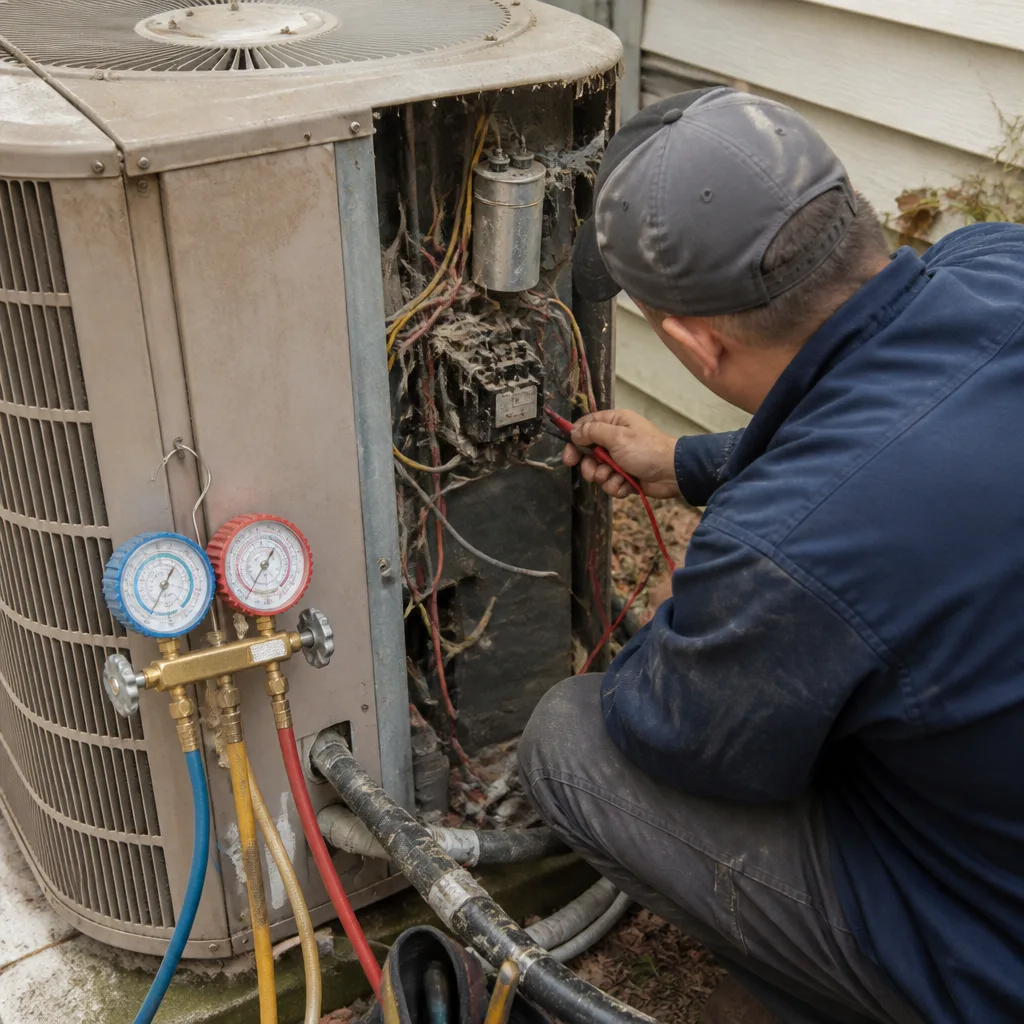 Before
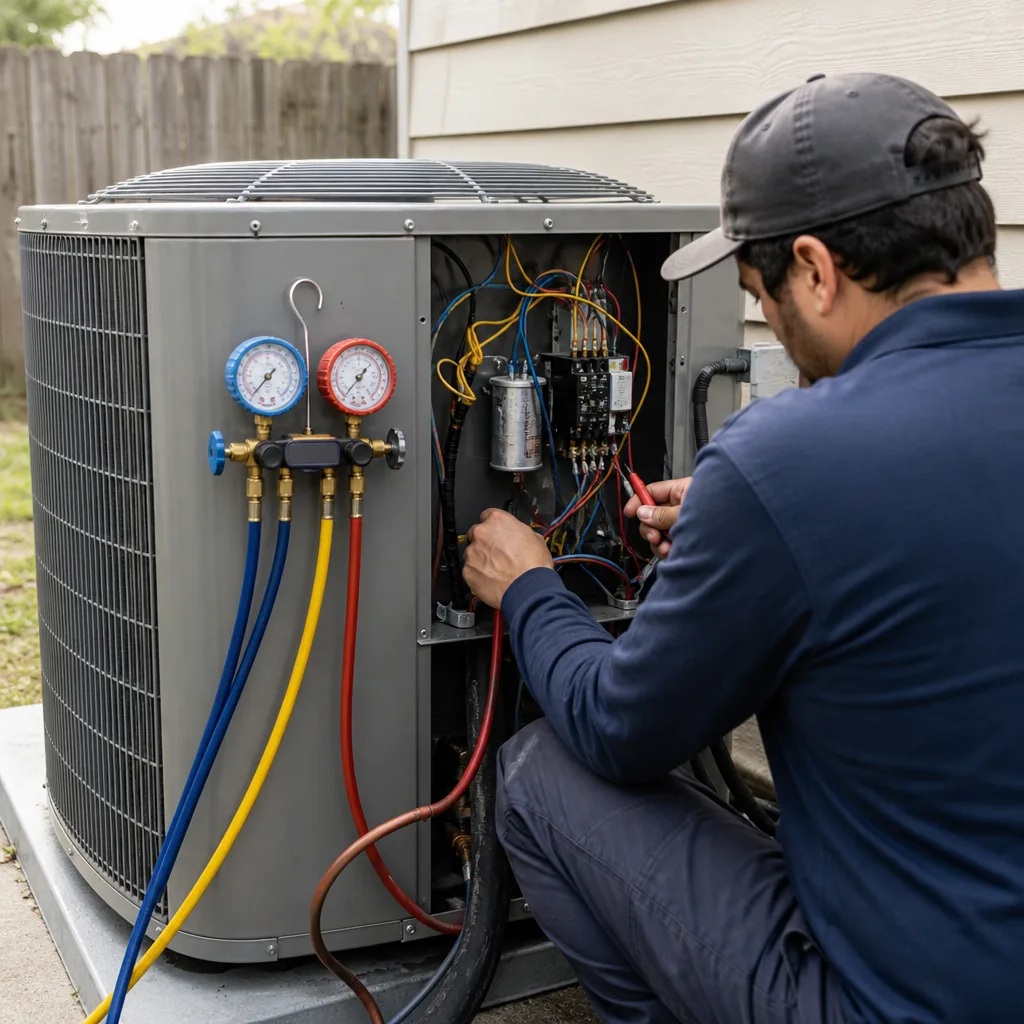 After
After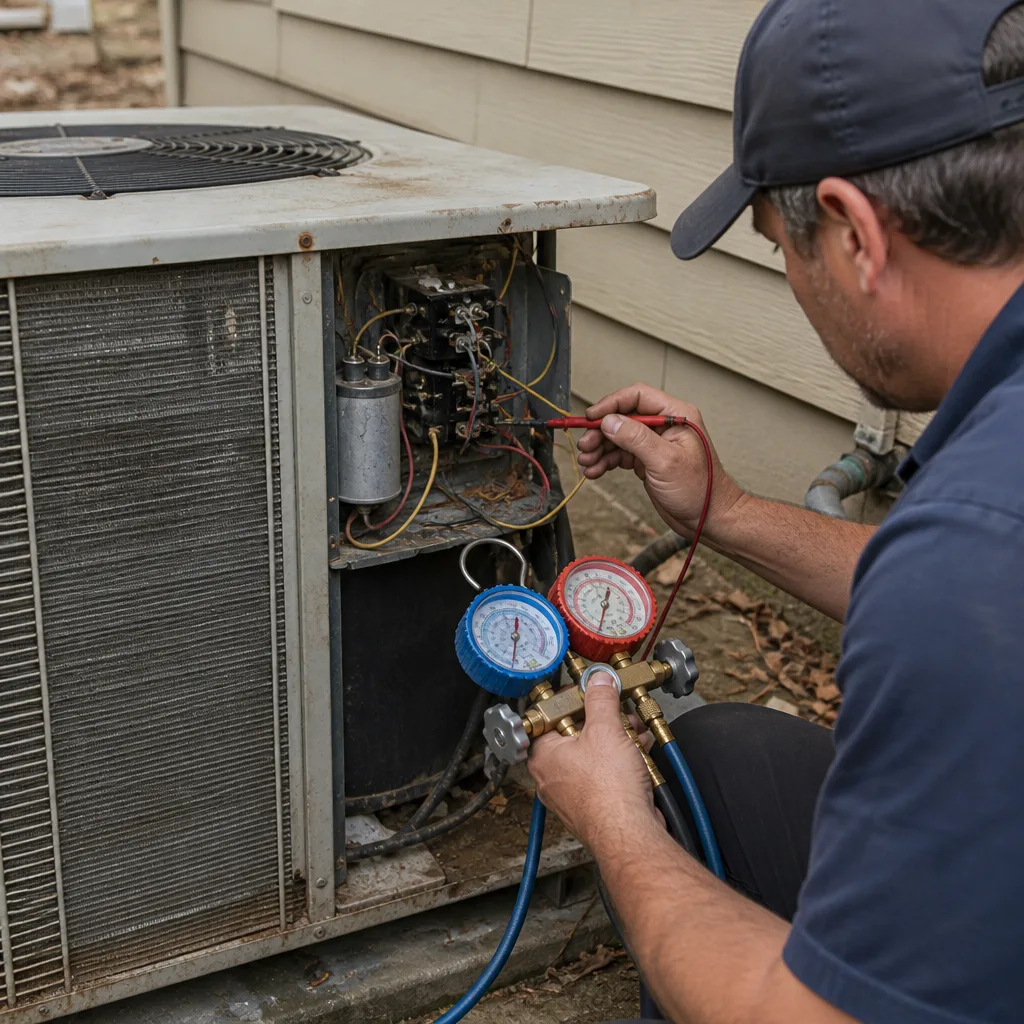 Before
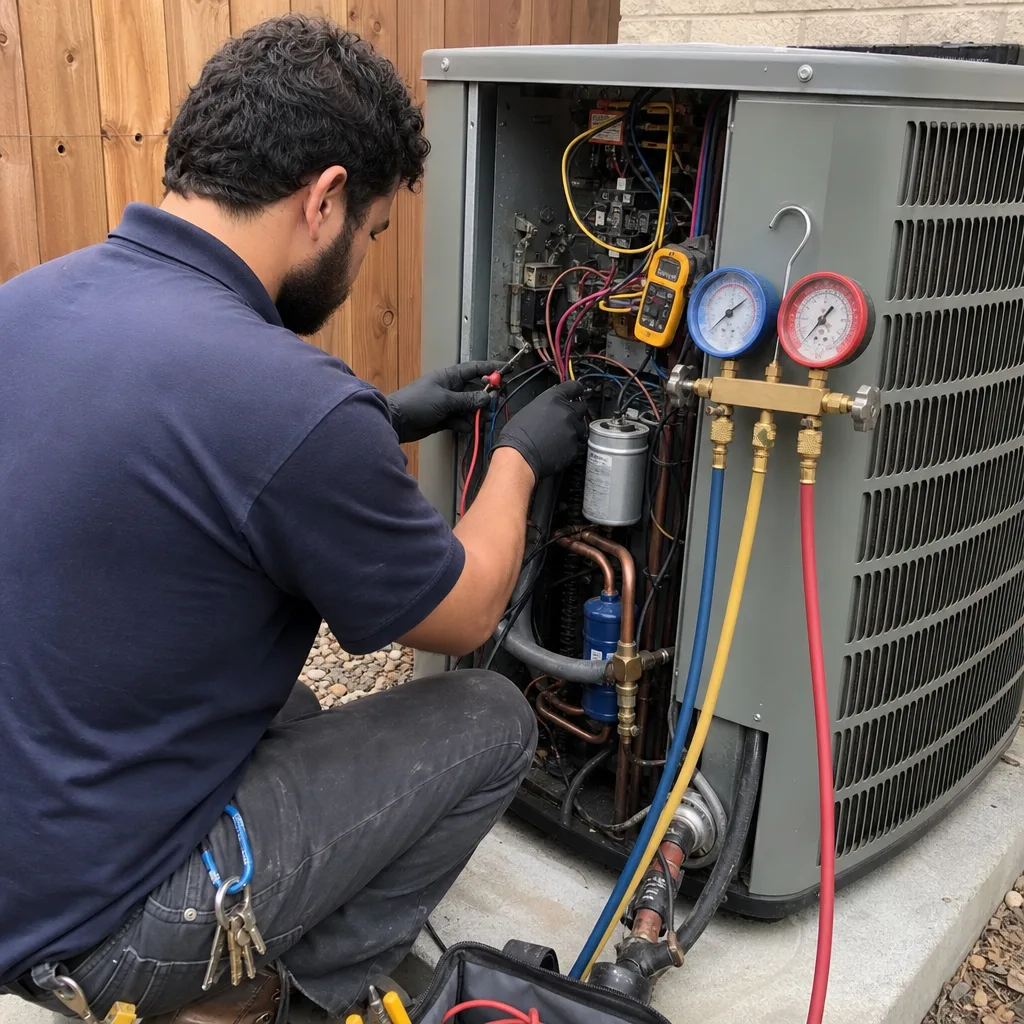 After
After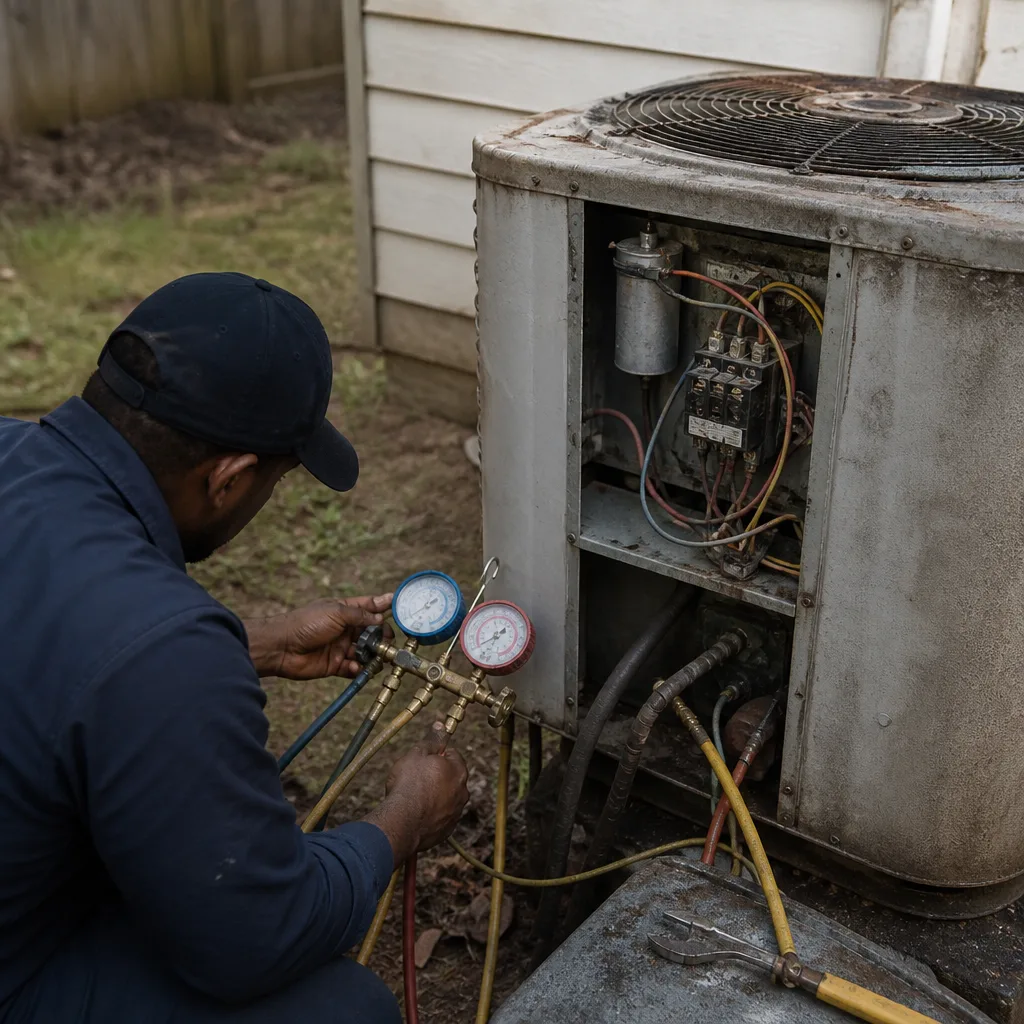 Before
 After
AfterReplacement Cost & What’s Included
Ductwork repair in Austin follows the same logic as every repair we do: a written price before any work starts, parts and labor together, no surprises after the fact. Here’s what to expect:
- Sealing leaks at joints and collars: $150 – $350. This is the most common repair. We use mastic and foil tape, not duct tape. Duct tape dries out and fails in an Austin attic within two summers.
- Replacing a failed flex duct run: $250 – $600 per run, depending on diameter, length, and attic accessibility. Includes new R-8 insulated flex, new collars, sealed connections, and hangers.
- Reconnecting a disconnected supply or return: $150 – $300. Years of thermal expansion and contraction in an Austin attic pops ducts off collars. We reattach, seal, and strap them properly.
- Replacing a damaged plenum or transition: $300 – $900. Custom sheet metal work to match your existing Trane air handler or furnace cabinet openings.
Every duct repair we complete carries a 365-day guarantee. If the repair fails within one year, we return at no charge and make it right. That’s the 365-Day Done Right Promise in writing, on every job. We name the problem, name the price, and then we fix it, no surprises after the fact.
DIY or Call Us?
Some ductwork issues are safe to investigate on your own before calling us. You can walk your attic (carefully, on the joists, in the morning before it’s 130°F up there) and look for collapsed flex duct, visible separation at joints, or a branch that’s been stepped on. You can check registers for dust patterns and note which rooms run warm. What you should not attempt is a real repair. Flex duct sealing done wrong traps moisture, grows mold, or separates again within a season. Metal fabrication for a plenum replacement requires tools and training most homeowners don’t keep in the garage. And the warning that matters most: an Austin attic in summer is dangerous. Heat exhaustion comes on fast. Insulation fibers, nails from the roof deck, and the risk of stepping through the ceiling are all real. Let us do it. For any duct concerns, call (361) 326-1553 and we’ll send a technician you know by name and photo before they arrive.
FAQs
Flexible duct in an Austin attic typically lasts 15 – 20 years before the outer jacket becomes brittle and the inner liner starts to separate. Extreme attic heat accelerates this. Metal duct with sealed joints can last 40+ years with proper insulation. If your home is past the two-decade mark and the ducts are original, plan for repair or replacement before a Texas summer exposes the problems.
Most ductwork can be repaired rather than replaced. Leaks at joints, popped connections, and isolated crushed runs are all repairable with the right materials. Full replacement only makes sense when the ductwork is deteriorated throughout, mold-contaminated, or sized wrong for your current Trane system. Call (361) 326-1553 and we’ll tell you honestly which situation you have.
Most duct repairs take 2 – 4 hours, start to finish. Sealing leaks on an existing system usually takes under two hours. Replacing several flex runs or fabricating a custom plenum can push into a full day. You’ll have an exact time frame and a written price before we touch anything.
Yes. Our trucks carry R-4 and R-8 insulated flex duct in common residential diameters, metal collars, foil-backed mastic tape, HVAC-rated mastic sealant, and sheet metal for patching or fabricating plenums. For unusual sizes or specialty transitions, we source from local Austin supply houses, which usually means same-day or next-morning availability. For a specific answer about your home, call (361) 326-1553, a live person answers 24/7.
Written by Devin Marlowe, Owner, Brandt HVAC Co Austin at Brandt HVAC Co Austin, serving Austin and nearby areas.