
Last updated October 16, 2026
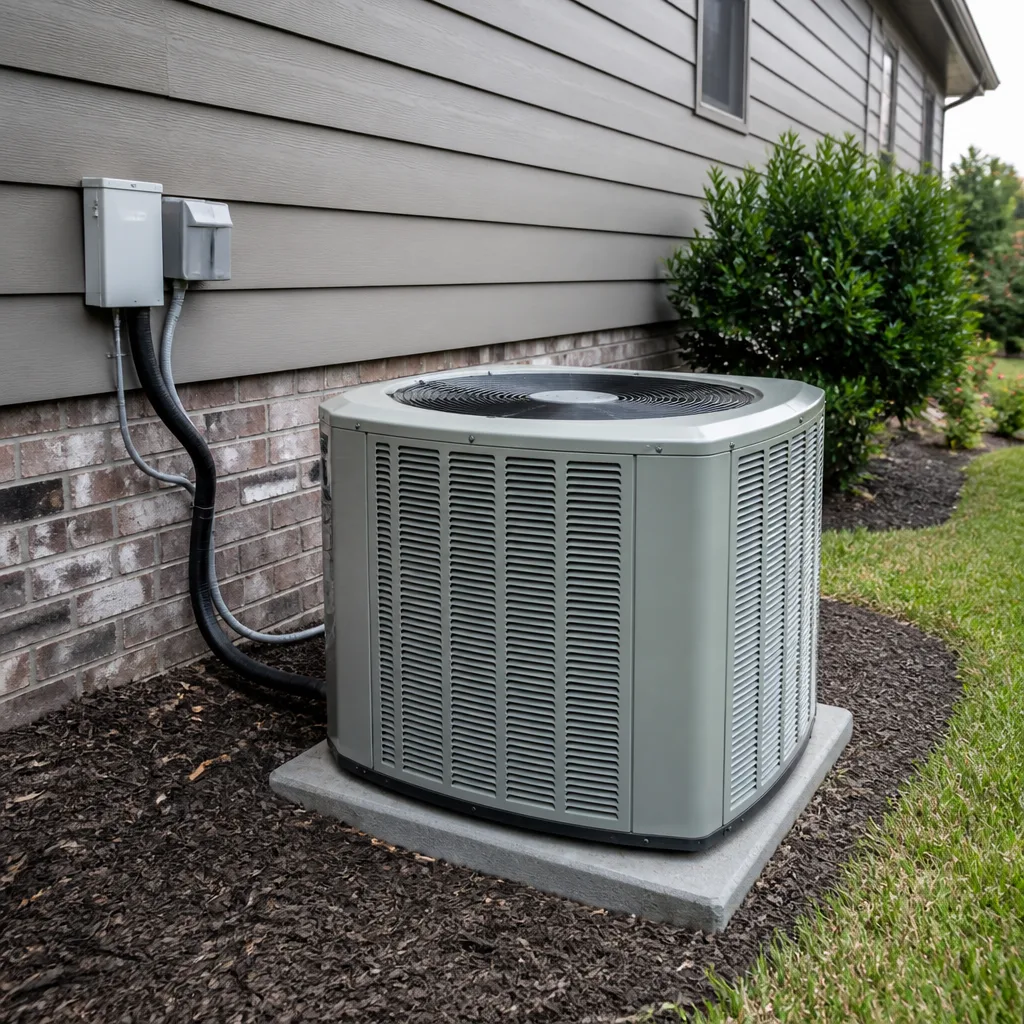 AC repair
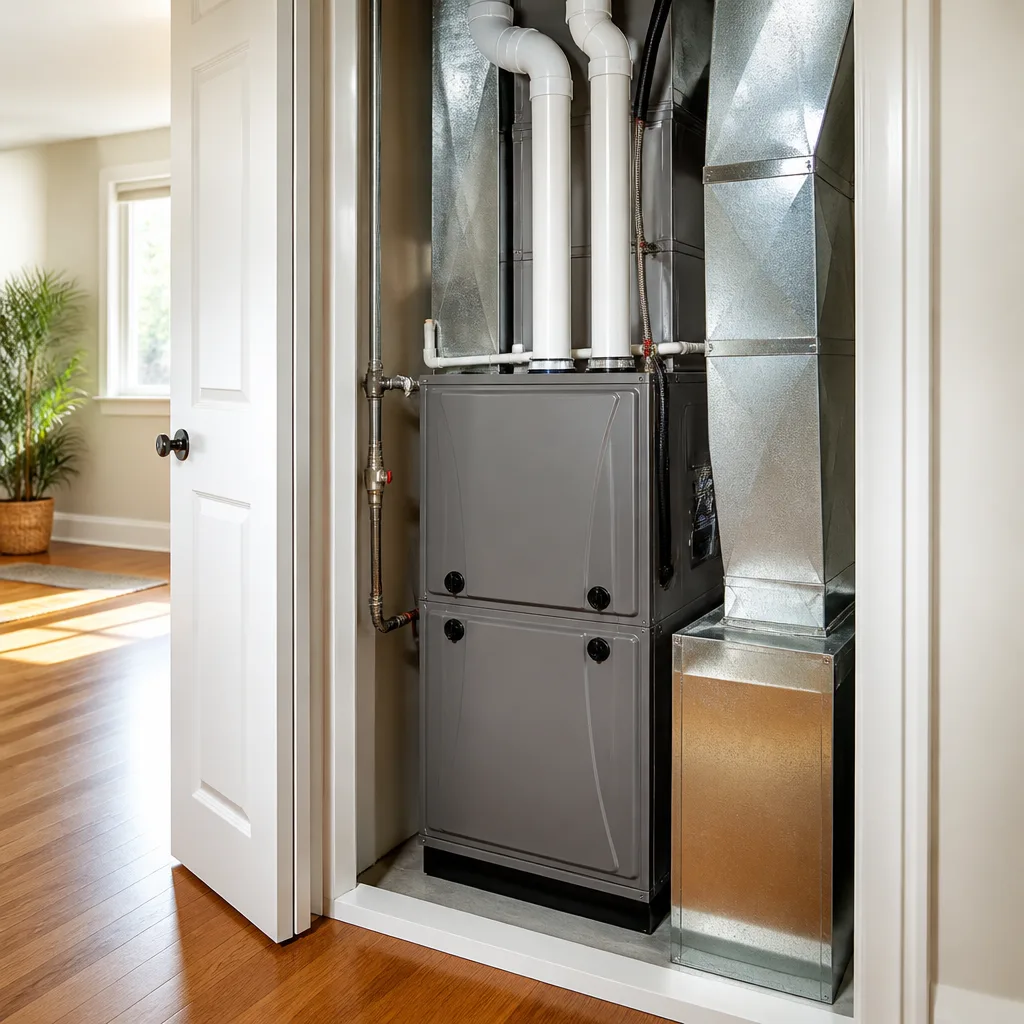 Furnace & heating
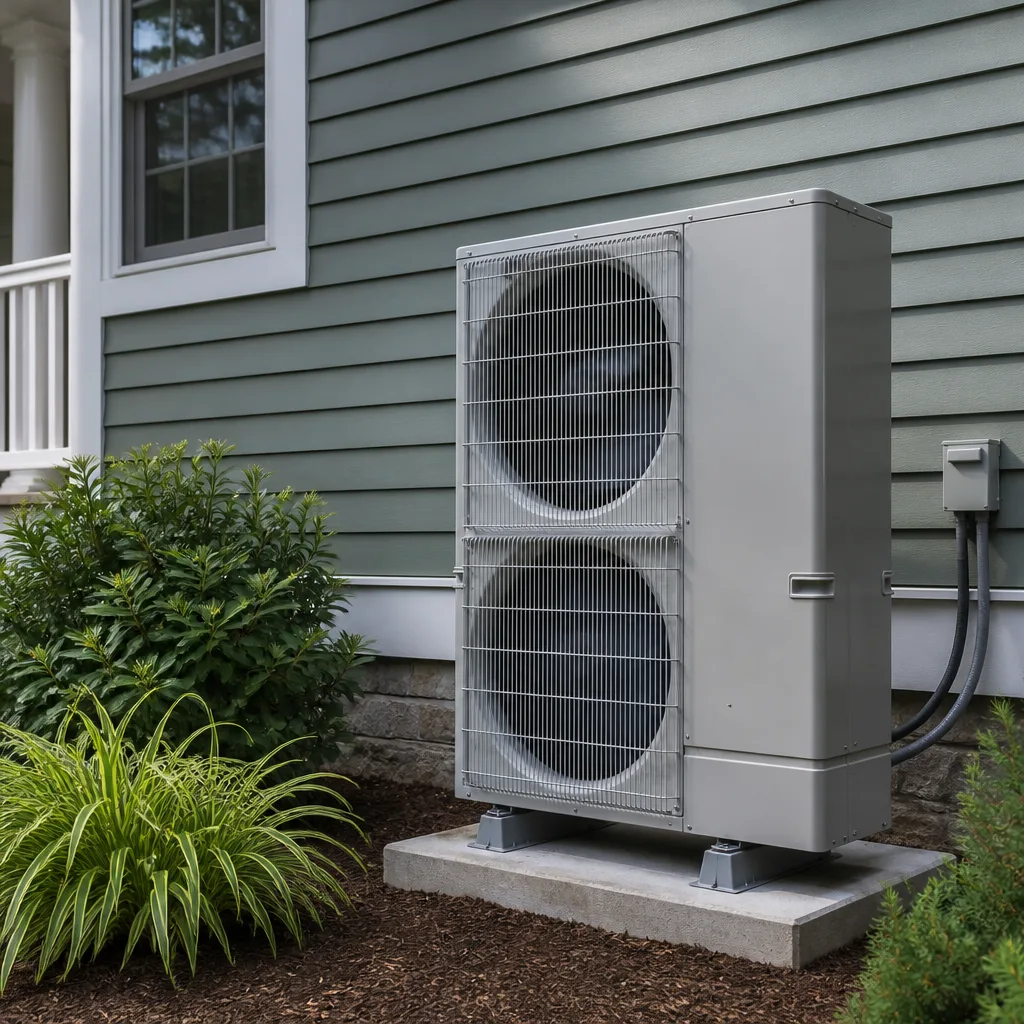 Heat pumps
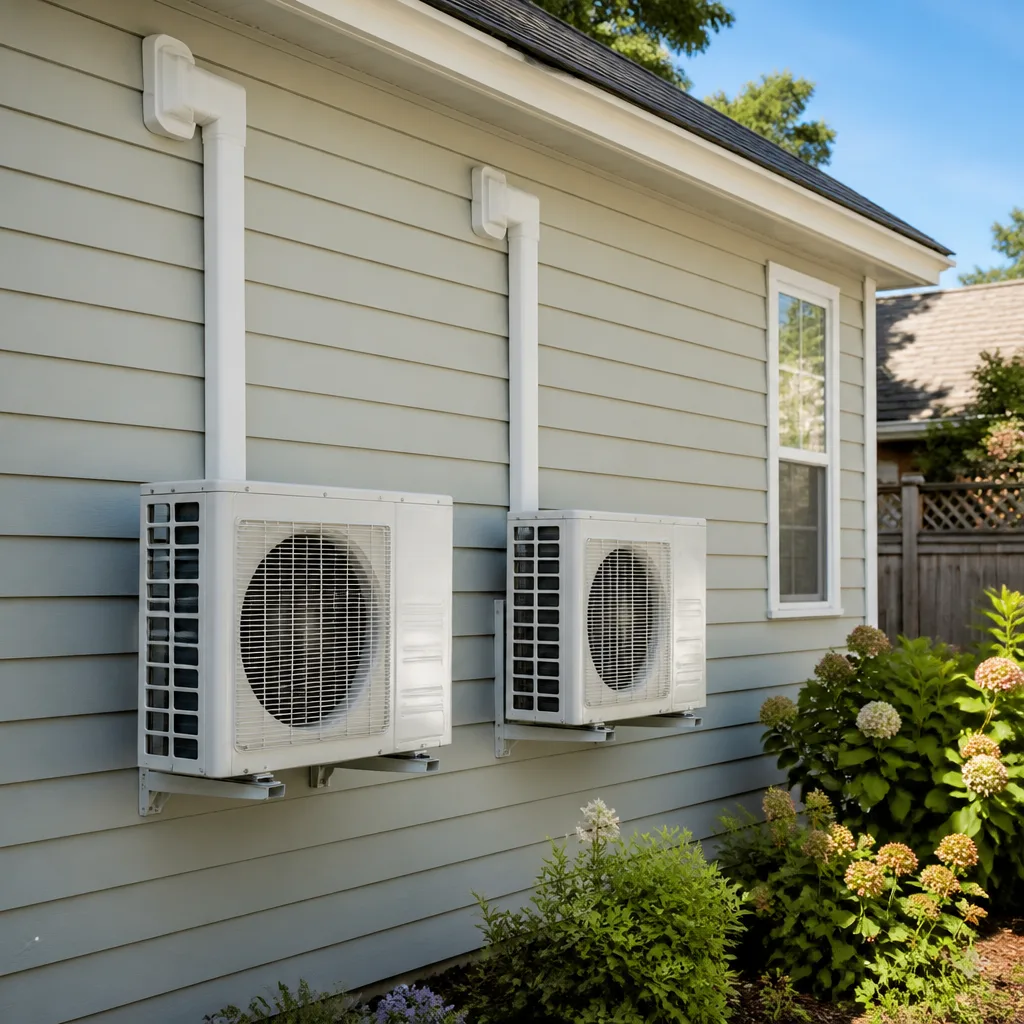 Ductless mini splits
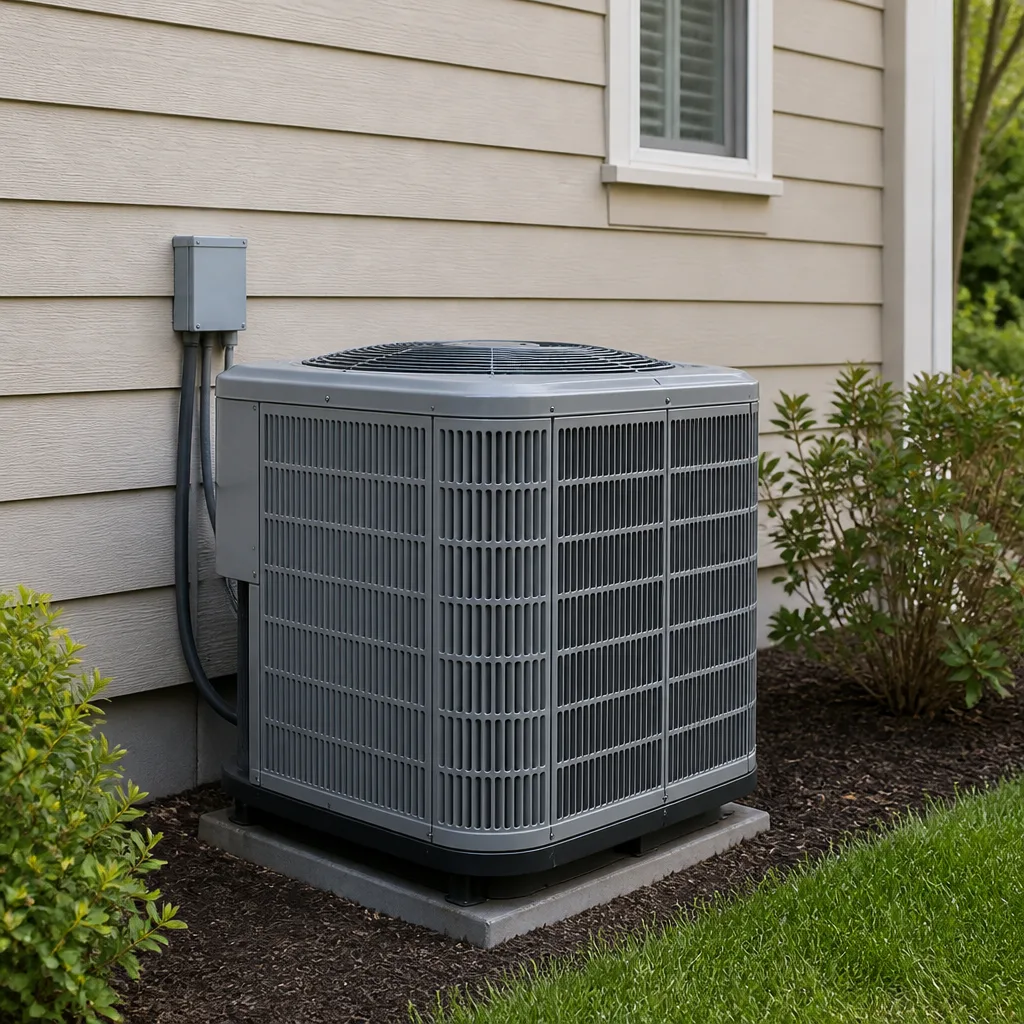 Carrier
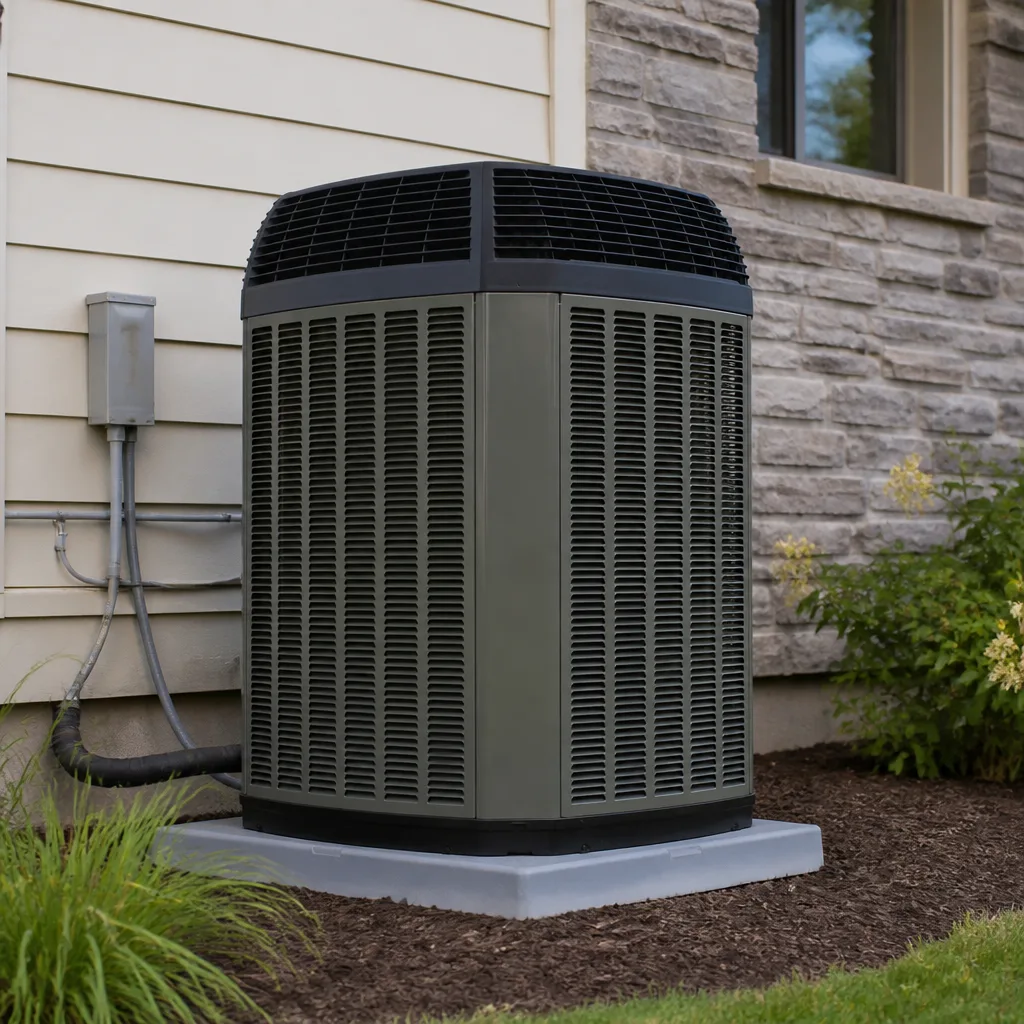 Trane
Trane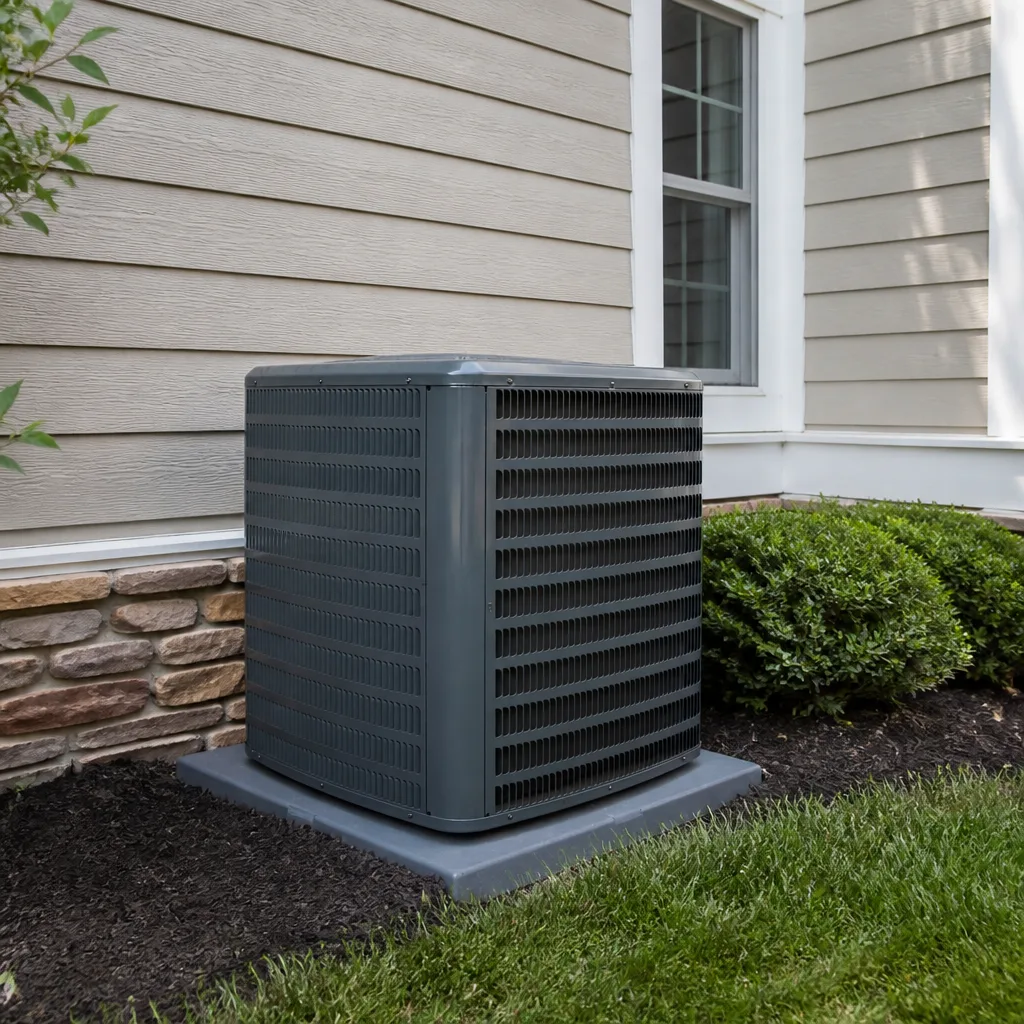 Goodman
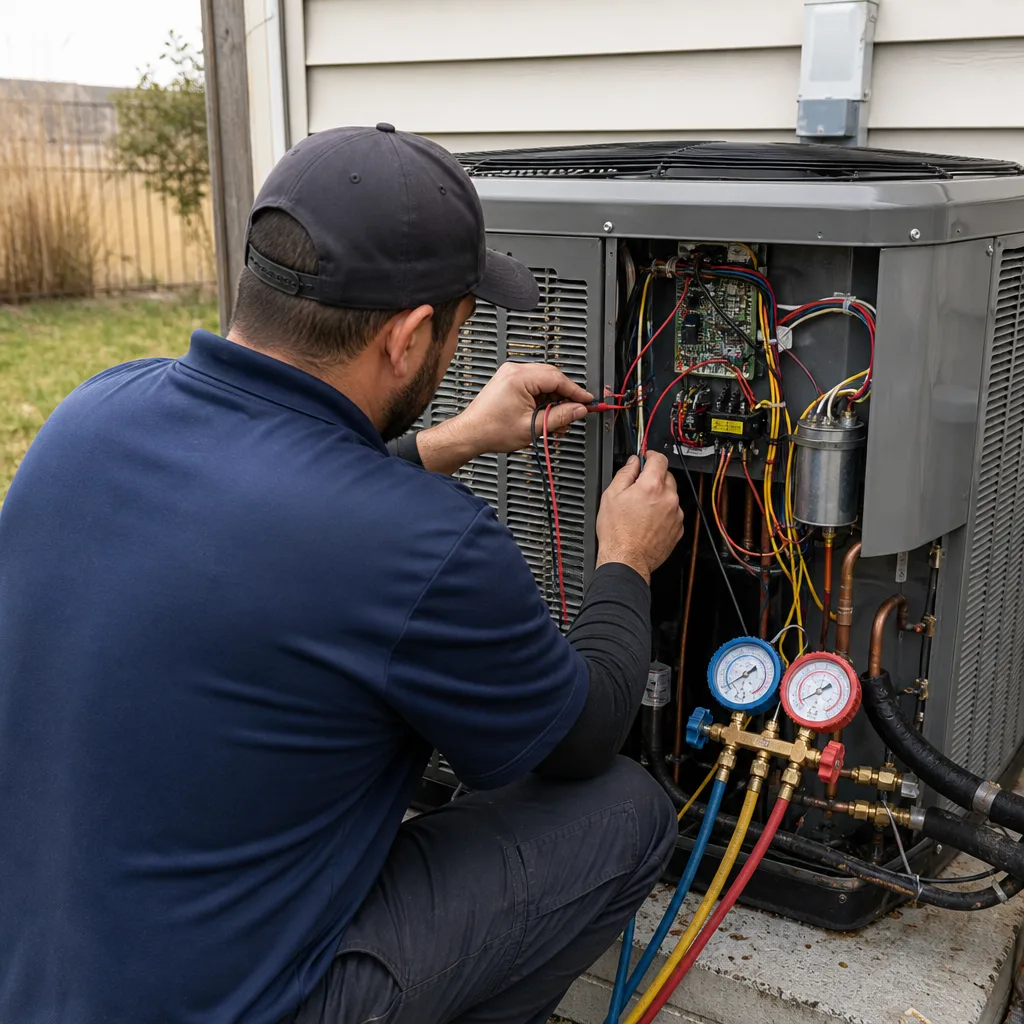
Seasonal tune-up and full diagnostic on your Carrier, Trane, or Goodman system - readings shown to you before any repair is proposed
Diagnosis first, numbers second - you approve the repair price before a single part goes in.
Get your free estimateThe Complete Guide to HVAC in Austin
Austin averages more than 40 days a year above 100°F, yet most “complete HVAC guides” are written for a national audience that doesn’t log a single day above 95°F. That matters because the sizing formulas, filter schedules, and service windows those guides recommend are quietly wrong for your house. This guide ties every major HVAC decision to Austin’s actual conditions: the humidity that makes heat feel heavier, the cedar pollen that clogs coils in January, the clay soil that shifts your ductwork, and the surprise freezes that test furnaces that sat idle for eleven months. You’ll learn what to check, what it should cost, and when to call someone who knows Austin’s systems firsthand.
Styles & brands we work with
Quick Answer
HVAC in Austin means designing for three distinct seasons: cedar season (December through February), summer peak load (June through September, with 100°F-plus days and high humidity), and freeze events (short, sharp cold snaps that can hit hard in a city where furnaces are rarely used). The right system is sized by a Manual J load calculation that accounts for Austin’s humidity-plus-heat combination, not by a rule of thumb like “500 square feet per ton.” If you’re in Austin and want a written price before any work starts, call Brandt HVAC Co Austin at (361) 326-1553.
Table of Contents
- Why Austin’s Climate Breaks National HVAC Rules
- Why Manual J Load Calculations Matter More in Austin
- Austin’s Clay Soil, Slab Foundations, and Ductwork
- The Three Austin Seasons That Actually Matter for HVAC
- SEER2, HSPF2, and What They Mean on Your Austin Utility Bill
- How to Read a City of Austin Mechanical Permit
- How to Buy an HVAC System in Austin Without Getting Burned
- What Austin Homeowners Should Actually Maintain (and When)
- Common Mistakes to Avoid
- When to Call a Professional
- Frequently Asked Questions
- The Bottom Line
Why Austin’s Climate Breaks National HVAC Rules
Austin sits in a climate zone that doesn’t behave the way national HVAC guidelines assume. The U.S. Department of Energy lumps Austin into a “hot-humid” zone, which is technically correct, but it misses something locals know in their bones: Austin’s humidity is inconsistent. Some July afternoons feel like Houston, with dew points in the mid-70s. Other stretches feel like Phoenix, with dry heat that makes a swamp cooler tempting until you remember cedar season is coming.
Here’s what that means for your equipment:
- Humidity removal matters as much as temperature drop. An oversized air conditioner cools the air fast but doesn’t run long enough to pull moisture out. The result is a house that feels clammy at 72°F. In Austin, that clammy feeling is common in shoulder months like May and October, when temperatures are moderate but humidity is high.
- Drain lines clog faster in Austin than in drier cities. Our combination of heat, humidity, and airborne organic matter creates the exact conditions for algae and sludge buildup in condensate drain lines. A clogged drain line is one of the most common AC service calls in Austin from June through August.
- Outdoor units need clearance for airflow, not just shade. Many Austin homeowners plant shrubs or build fences around their outdoor condenser for aesthetics or to block sun. Cramped clearance reduces airflow, which raises head pressure, which shortens compressor life. A unit that can’t breathe works harder on the exact days it’s hottest.
We’ve seen Austin houses where a nationally recommended “2.5-ton” unit was actually right, and others where a proper calculation called for a full ton less. The only way to know is to measure, not guess. That’s the divide between generic advice and advice that works in Austin.
Why Manual J Load Calculations Matter More in Austin Than in Most U.S. Cities
A Manual J load calculation is the industry standard method for determining how much heating and cooling a house actually needs. It measures square footage, ceiling height, window orientation, insulation levels, air leakage, and local climate data, then calculates the precise heating and cooling load in BTUs. In Austin, this calculation matters more than in most American cities because of one specific combination: high heat plus meaningful humidity.
Here’s the problem. In a dry climate like Phoenix, you can size an AC based almost entirely on temperature because the unit’s moisture-removal job is minimal. In a mild climate like Chicago, you can focus on heating needs and treat AC as a secondary concern. Austin is different. Your air conditioner has two full-time jobs from May through September: dropping temperature and removing moisture. A unit sized by the old “tons per square foot” rule of thumb will almost always be oversized for Austin’s conditions, and an oversized unit in humid weather is a dehumidification failure.
An oversized AC reaches the thermostat setpoint quickly and shuts off. That’s good for the electric bill in the moment, but it’s bad for comfort because the coil never runs long enough to wring moisture from the air. You end up with a house that’s 72°F and 65% relative humidity, which feels sticky and encourages mold. Homeowners respond by lowering the thermostat, which increases runtime and humidity removal, but now you’re overcooling to compensate for a sizing error. That’s expensive and uncomfortable.
When we replace a system in Austin, the Manual J calculation includes:
- Window orientation and glass area. Austin’s west-facing windows are brutal from 4 p.m. to 8 p.m. in July. The Manual J accounts for that solar load.
- Ceiling height and volume. Many Austin homes built in the 1970s and 1980s have vaulted ceilings that add volume a floor-area formula ignores.
- Insulation levels in the attic. Austin’s building codes have changed over the decades. A house insulated in 1985 has a very different thermal envelope than one insulated in 2025.
- Air leakage. Leaky ductwork in a hot attic can lose 20% to 30% of cooled air before it reaches the rooms. The calculation accounts for that loss.
If a contractor quotes you a system size without measuring your house, without looking in your attic, and without asking about your windows, that’s a red flag. In Austin, that red flag is waving harder than it would in most of the country because the cost of getting it wrong is higher.
Austin’s Clay Soil, Slab Foundations, and Ductwork
Most national HVAC guides assume your ductwork is in a basement or a crawl space. Austin doesn’t do basements. The vast majority of Austin homes are built on slab foundations, and the ductwork is either in the attic, under the slab, or occasionally in a short crawl space. Each configuration has specific failure patterns tied to Austin’s soil and climate, and none of them are covered well by generic advice.
Slab-embedded ducts. Some 1960s and 1970s Austin homes have ducts embedded directly in the concrete slab. Those ducts are prone to cracking as Austin’s clay soil shifts with moisture cycles. Austin’s clay soil, known as Blackland Prairie soil in the east and Edwards Plateau limestone in the west, expands when wet and contracts when dry. That movement stresses anything rigid, including concrete slabs and the ducts inside them. A cracked slab duct fills with water after heavy rain, then blows humid, musty air through the house. Homeowners report a “damp smell” when the AC first kicks on. Repairing slab ducts is invasive, often involving routing new ducts through the attic instead.
Attic ducts. Most Austin homes built after 1980 route ducts through the attic. Attic temperatures in Austin can reach 140°F in August. Ductwork in that heat loses cooling capacity even when properly sealed, and if the ducts are leaky, you’re paying to cool an attic. The fix is proper insulation (R-8 minimum for ducts in unconditioned attics in this climate) and sealing with mastic, not tape. Mastic is a paste that hardens over joints to stop air leakage. Tape dries out and peels.
Foundation movement and freestanding units. Clay soil movement also affects the pad under your outdoor AC unit. A pad that tilts more than a few degrees puts stress on the compressor and refrigerant lines. In Austin, it’s common to see outdoor units settled and leaning after a few years of wet-dry soil cycles. A homeowner can check this with a simple level, but corrective work requires a professional who knows how to rest the pad without stressing the line set.
If you don’t know where your ducts are, start with a quick look in the attic access. If you see flex duct snaking across the insulation, that’s an attic-ducted system. If there’s no ductwork in the attic and your registers are in the floor, you likely have slab ducts. This one fact changes how you should maintain your system.
The Three Austin Seasons That Actually Matter for HVAC
Forget spring, summer, fall, and winter. For HVAC purposes, Austin has three seasons that dictate everything from filter changes to service scheduling. If you maintain your system around these three seasons, you’ll avoid the most common Austin HVAC failures. If you follow a generic “change your filter every 90 days” schedule from a national guide, you’ll struggle.
Season 1: Cedar Season (December through February)
Cedar season in Austin isn’t an HVAC season in the traditional sense, but it should be. From mid-December through February, Ashe juniper trees release enormous amounts of pollen. On peak days, Austin’s cedar pollen counts rank among the highest in the nation, and that pollen doesn’t just make you sneeze. It clogs air filters and coats AC coils. If your system runs the fan for circulation or the AC kicks on during a warm winter afternoon, that pollen gets pulled into the return and trapped on the filter. A filter that would last 60 days in October can be plugged solid in 3 weeks during cedar season.
Action for Cedar Season:
- Switch to a MERV 8 or MERV 11 filter during December through February. MERV 11 catches more pollen but may restrict airflow on older systems, so check with a technician first.
- Check the filter every 2 weeks during peak cedar. When it looks brown or gray, it’s time. Don’t wait for a calendar reminder.
- If you have an air purifier or media cabinet, replace or clean the pre-filter more often during cedar season.
For Austin homeowners with allergies, cedar season is also the right time to schedule an AC Maintenance in Austin visit. A technician can clean the blower wheel and evap coil before the system gets heavy use, removing the pollen and dust that accumulated through fall.
Season 2: Summer Peak Load (June through September)
Austin summers are the main event. From June through September, daytime highs routinely exceed 95°F, and the real challenge is overnight recovery. In many climates, an AC gets a break at night when temperatures drop into the 60s or 70s. In Austin, overnight lows in July and August often stay above 78°F. That means your system runs almost continuously for weeks, and any weakness in a capacitor, contactor, or condenser fan motor will show up under this relentless load.
Summer is also when Austin’s electric rates peak. Austin Energy’s tiered residential rates rise as usage increases, and CenterPoint/Oncor delivery charges add up. An inefficient system doesn’t just break more often in Austin. It costs more per day to run than the same system would in a milder climate.
Action for Summer Peak Load:
- Schedule AC maintenance in April or May, not in June when every company is swamped. A pre-season check catches failing capacitors and low refrigerant before the heat hits.
- Set the thermostat to the highest temperature you can tolerate. Each degree below 78°F adds roughly 3% to 5% to cooling costs in Austin’s summer conditions.
- If you hear a humming sound from the outdoor unit but the fan isn’t spinning, shut the system off at the thermostat and call for service. Continuing to run it can destroy the compressor.
Season 3: Freeze Events (Unpredictable but Real)
Austin doesn’t have a traditional heating season, but it does have freeze events. In February 2021, Winter Storm Uri dropped Austin temperatures into the single digits and held them there for days. Most Austin furnaces ran continuously for the first time in years, and many failed. Since then, every Austin homeowner should treat freeze season as a real HVAC season, even if it only lasts a few days per year.
The specific risk in Austin is that furnaces and heat strips sit unused for 10 or 11 months, then get asked to perform at full capacity during the coldest weather of the decade. Components rust, spiders build nests in burner tubes, and electrical connections corrode. A furnace that worked fine last winter, during one or two mild nights, can fail when it’s actually needed.
Action for Freeze Events:
- Test your heat before you need it. In November, turn the thermostat to heat mode and let the system run for 20 minutes. Listen for odd noises and smell for burning dust, which is normal for the first cycle of the season.
- If your system uses a heat pump, know that heat pumps lose capacity as outdoor temperatures drop. When a heat pump can’t keep up, auxiliary heat strips kick in. That’s normal, but it’s also expensive. Don’t set the thermostat to a temperature the heat pump can’t maintain on its own.
- If you have a traditional gas furnace, replace the air filter before cold weather arrives, and check that the exhaust vent outside is clear of leaves and debris.
For Austin homeowners, the smart play is to schedule Furnace Repair in Austin in the fall, before the first freeze. It’s cheaper than an emergency call during a cold snap, and you’ll have heat when it matters.
SEER2, HSPF2, and What They Mean on Your Austin Utility Bill
SEER2 and HSPF2 are the current federal efficiency ratings for air conditioners and heat pumps. SEER stands for Seasonal Energy Efficiency Ratio, and the “2” indicates an updated testing procedure that went into effect in 2023. HSPF stands for Heating Seasonal Performance Factor, and the “2” means the same update. In plain language: higher numbers mean lower operating costs.
What matters in Austin is not just the number on the label. It’s how that number translates to real utility bills under Austin’s specific rate structures and weather patterns. Austin’s electricity is provided by Austin Energy, a municipal utility, while some surrounding areas are served by investor-owned utilities under CenterPoint and Oncor delivery territories. The rate structures differ, but the physics is the same: the more efficient your AC, the less electricity it consumes per hour of cooling.
Here’s a practical breakdown for Austin homeowners:
- SEER2 14.3 (minimum allowed for new ACs in the South as of 2023): This is the cheapest equipment to buy and the most expensive to run. If you’re on a tight budget and plan to move within 2 to 3 years, this may make sense. If you’re staying in Austin long-term, you’ll likely pay more in energy costs than you save upfront.
- SEER2 15.2 to 16.5: The most common range for replacement systems in Austin. These units balance upfront cost with operating cost. A 16 SEER2 unit will use roughly 10% less energy than a 14.3 SEER2 unit under the same Austin summer conditions.
- SEER2 17 to 20+: These are high-efficiency systems, often with variable-speed compressors. Variable-speed units run at low capacity for long periods, which improves both efficiency and humidity removal. For Austin’s humid summers, this is a meaningful comfort advantage, not just a utility-bill win.
We service all major residential brands, including York, Daikin, Bryant, and American Standard. Each brand has models across the efficiency spectrum, so the brand matters less than the specific model’s ratings and the quality of the installation.
One note that national guides often miss: Austin’s electricity is relatively affordable compared to many Northeastern and California cities, but the sheer number of cooling hours is enormous. A typical Austin home runs its AC for 2,500 to 3,500 hours per year. A home in Boston might run 800 hours. That means a 10% efficiency improvement in Austin saves three to four times more money per year than the same improvement in New England. Efficiency upgrades pay back faster here.
How to Read a City of Austin Mechanical Permit
Any legitimate HVAC installation or replacement in Austin requires a mechanical permit from the City of Austin. The permit exists to protect you: it means the work was inspected by a city code official who verified that the installation meets current safety and efficiency standards. Contractors who skip permits skip inspections, and that’s a problem for your safety and your home’s resale value.
Here’s how to verify you’re protected, step by step:
- Ask the contractor for the permit number before work starts. A contractor who is doing the job legally will pull the permit before beginning installation. In Austin, the permit is tied to the specific address, not just the company name.
- Look for the permit number on your contract or invoice. If the contractor says they’ll “handle it later” or charges for the permit but can’t produce a number, stop the job. The permit fee is typically a line item on the estimate.
- Verify the permit on the City of Austin’s online permit lookup. The City of Austin Development Services Department maintains a searchable database. Enter your address and confirm that a mechanical permit is active.
- After installation, confirm the inspection was scheduled and completed. An inspection means a city official visited your home and checked the installation. A permit without a completed inspection is half a job.
Some contractors tell Austin homeowners that a “change-out” doesn’t need a permit if they’re just replacing equipment in the same location. That’s false. Any change to mechanical equipment including a full system replacement, a furnace swap, or an AC swap requires a City of Austin mechanical permit. Electrical work associated with the installation also requires an electrical permit.
When you work with a company that follows the permitting process correctly, you get two layers of protection: the company’s own guarantee on the work, and the city’s independent inspection. Both matter in Austin, where summer heat and winter freezes expose installation errors quickly.
How to Buy an HVAC System in Austin Without Getting Burned
Buying a new HVAC system is a significant decision, and Austin’s climate means the stakes are higher than in most cities. A bad installation in a mild climate is an inconvenience. A bad installation in Austin is a crisis by August. Here’s the process we recommend, based on what we’ve seen work (and fail) for Austin homeowners.
- Get the load calculation, not just a bid. Ask each contractor to show you the Manual J calculation. If they say they size by square footage or “experience,” that’s a warning sign. The right size is measured, not guessed.
- Ask about the ductwork, not just the equipment. A new high-efficiency system attached to leaky, undersized ducts will perform like a cheap system. Ask the contractor to inspect and measure the ductwork before recommending equipment.
- Get the written price before work starts. We provide a written price before any work begins, on every single job. That means you know the exact cost before you agree to anything. If a contractor won’t commit to a written price before starting, walk away.
- Ask about the guarantee in writing. Every repair and installation should include a written guarantee that states exactly what it covers and for how long. For example, this repair is guaranteed for 365 days, and if it fails within that period, we return at no charge under our 365-Day Done Right Promise.
- Check the financing and rebates. Austin Energy offers rebates for high-efficiency equipment, and many manufacturers offer seasonal promotions. A good contractor will handle the paperwork for you, not just mention that rebates “might exist.”
- Ask who is coming to your home. This matters in Austin, where many homeowners are home alone during the day or have young children. We send background-checked, uniformed technicians to you by name and photo before every visit. At the door, the technician shows photo ID. That’s the Threshold Verified standard, and it means you always know exactly who is walking through your door.
The name Brandt comes from an old word for a firebrand, a fitting name for work that keeps a home warm. But in Austin, we spend much more of the year keeping homes cool. The principle is the same: honest, measured, specific work with a written price and a written guarantee.
What Austin Homeowners Should Actually Maintain (and When)
Generic maintenance advice says, “Have your system checked twice a year.” For Austin, we recommend being more specific. Here’s the schedule that prevents the most common Austin HVAC failures.
April or early May: Pre-summer AC tune-up. This is the single most important maintenance visit for Austin homeowners. The technician should:
- Measure the refrigerant charge and adjust if needed. Low refrigerant usually means a leak, and finding the leak early is much cheaper than replacing a compressor later.
- Clean or replace the air filter.
- Clean the condenser coil and evaporator coil if needed. Dirty coils reduce efficiency and increase operating costs all summer.
- Check the capacitor and contactor. These electrical components fail under repeated stress, and Austin summers are repeated stress in its purest form.
- Flush the condensate drain line. Austin’s humidity makes clogs common, and a clogged drain can cause water damage inside your home.
- Check the blower motor and fan. A failing blower motor often runs hot and noisy before it fails completely.
October or November: Pre-winter furnace or heat pump check. This catches problems before the first freeze. The technician should inspect the heat exchanger for cracks on a gas furnace, test the ignition system, check for gas leaks at the connections, and verify the flue is clear.
Monthly during summer: Check the air filter yourself. In June, July, and August, a filter can load up in 3 to 4 weeks, especially if you have pets, live near a road with construction, or have allergies. A clean filter reduces strain on the system and improves cooling.
For more detail on what a proper AC tune-up includes, see our guide to AC Maintenance in Austin. We also offer AC Repair in Austin with upfront pricing, so you’ll know the cost before any repair begins.
Common Mistakes to Avoid
- Closing vents in unused rooms to “save energy.” Your system is designed to push a specific volume of air against a specific static pressure. Closing vents raises static pressure, which reduces airflow across the coil, which can cause the coil to freeze in Austin’s humid conditions. If you want to save energy, raise the thermostat instead.
- Planting shrubs or building fences too close to the outdoor unit. The condenser needs at least 18 to 24 inches of clearance on all sides for proper airflow. Austin’s fast-growing vegetation often violates this clearance within a season. Trim it back.
- Skipping the pre-summer tune-up because the system “worked fine last year.” Austin’s summer heat is relentless. Components that limped through last summer often fail completely this summer. The tune-up is cheaper than the emergency call during a 105°F heat wave.
- Buying the cheapest equipment without calculating Austin-specific operating costs. A low-efficiency system costs less upfront but more every month for 12 to 15 years. In Austin, with 2,500 to 3,500 cooling hours per year, the operating cost difference is larger than in almost any other major U.S. city.
- Replacing equipment without inspecting the ductwork. In Austin, leaky attic ducts can waste 20% to 30% of the air you paid to condition. New equipment attached to old, leaky ducts is a cosmetic upgrade, not a real improvement.
- Assuming a home warranty will handle HVAC problems efficiently. Home warranty companies in Austin often take days to assign a contractor and may cover only a portion of needed repairs. During a July heat wave, that delay is more than inconvenient. It’s a health and safety issue, especially for older homeowners and young children.
When to Call a Professional
Some HVAC tasks are safe and sensible for a homeowner: changing filters, clearing brush from around the outdoor unit, checking that vents are open, and replacing thermostat batteries. But most repairs require a trained technician with the right tools and the right training.
Call a professional if you notice any of these in your Austin home: warm air blowing from the vents when the AC is set to cool, water pooling around the indoor unit or dripping from the outdoor unit, a burning smell when the heat runs, a buzzing or screeching sound from the outdoor unit, ice forming on the refrigerant lines, or an electric bill that spikes sharply without a corresponding change in weather. Never attempt to work on refrigerant lines or electrical components yourself. Refrigerant is pressurized and dangerous if mishandled, and the electrical circuits inside an HVAC system carry enough current to cause serious injury or death.
Brandt HVAC Co Austin offers free estimates in Austin. Call (361) 326-1553 and a live person will answer, 24 hours a day, 7 days a week. No voicemail, no callback queue, no phone tree. You’ll speak to a real person who can schedule a visit and give you a written price before any work begins.
Frequently Asked Questions
A full HVAC system replacement in Austin typically costs $7,500 to $15,000, depending on system size, efficiency rating, and the condition of existing ductwork. The range reflects real data from the city’s climate demands: a 14.3 SEER2 system on a 1,200-square-foot house will cost less than a 20 SEER2 variable-speed system on a 2,800-square-foot house with ductwork modifications. Get a written quote specific to your home before comparing prices, not a ballpark over the phone. Call (361) 326-1553 for a free written estimate.
During Austin’s summer and cedar seasons, check your filter every 2 weeks and replace it when it looks dirty, typically every 1 to 2 months. During milder months, every 3 months is sufficient. Homes with pets, allergy sufferers, or nearby construction may need more frequent changes. A clean filter is the single best thing a homeowner can do to protect the system between professional tune-ups.
If the outdoor unit is running but the air from your vents is warm, the most likely causes are low refrigerant (indicating a leak), a failing compressor, or a frozen indoor coil. In Austin, frozen coils are common during humid weather when airflow is restricted by a dirty filter or closed vents. Turn the system off and call for service. Running a system with low refrigerant can destroy the compressor, turning a $300 repair into a $3,000 replacement.
In Austin, we recommend replacing rather than repairing when the repair cost exceeds 40% of the system’s replacement value, or when the system is more than 12 years old and uses R-22 refrigerant, which is no longer produced and is increasingly expensive. Austin’s punishing summers mean an older system is one hot afternoon away from a catastrophic failure. If you’re nursing an old unit through its third or fourth summer of “just one more repair,” you’re likely spending more than a replacement would cost when you factor in efficiency losses and repair bills.
Ask to see the Texas Department of Licensing and Regulation (TDLR) Air Conditioning and Refrigeration Contractor license. Then ask for the City of Austin mechanical permit number before work starts. A legitimate contractor will have both. Verify the permit on the City of Austin Development Services permit lookup page. If a contractor hesitates to provide either, that’s a signal to find someone else.
Before cedar season starts in December, replace your filter with a fresh one, and consider upgrading to a MERV 11 filter if your system can handle the additional airflow restriction. During peak cedar from late December through February, check the filter every 2 weeks and replace it when it’s discolored. Cedar pollen clogs filters fast, and a clogged filter reduces airflow, which stresses the blower motor and reduces heating and cooling efficiency. If anyone in the home has cedar allergies, this maintenance matters even more.
In most cases, yes. We answer calls 24 hours a day, 7 days a week, and we schedule repairs as quickly as possible, including same-day visits for urgent issues during Austin’s summer heat. For AC Repair in Austin, call us at (361) 326-1553 and we’ll tell you when a technician can arrive and what to expect before anyone rings your doorbell.
The Bottom Line
Austin’s climate doesn’t follow national HVAC norms, and neither should your approach to heating and cooling. The city’s heat-plus-humidity combination demands precise load calculations and proper humidity control. The clay soil and slab foundations demand attention to ductwork that generic guides never mention. And the three seasons that matter here, cedar season, summer peak load, and freeze events, each require their own maintenance rhythm. If you remember one thing from this guide, make it this: in Austin, guessing is expensive. Measured, verified, written-down work is the only work that protects your home all year. We’re Brandt HVAC Co Austin, and we’re here when you need us. Call (361) 326-1553 for a free estimate, and you’ll get a written price before any work starts.
Written by Devin Marlowe, Owner at Brandt HVAC Co Austin, serving Austin since 2003.
See the difference
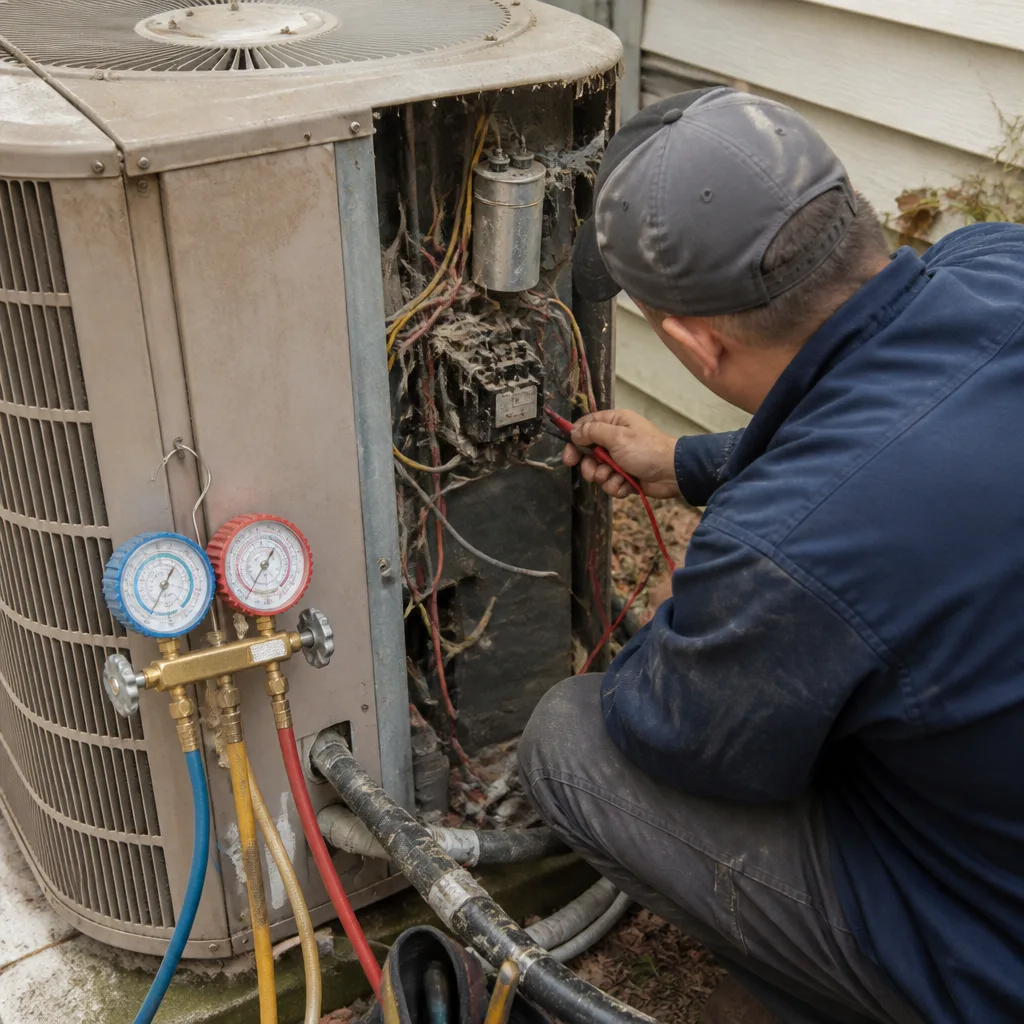 Before
 After
After Before
 After
After Before
 After
After