
Last updated October 16, 2026
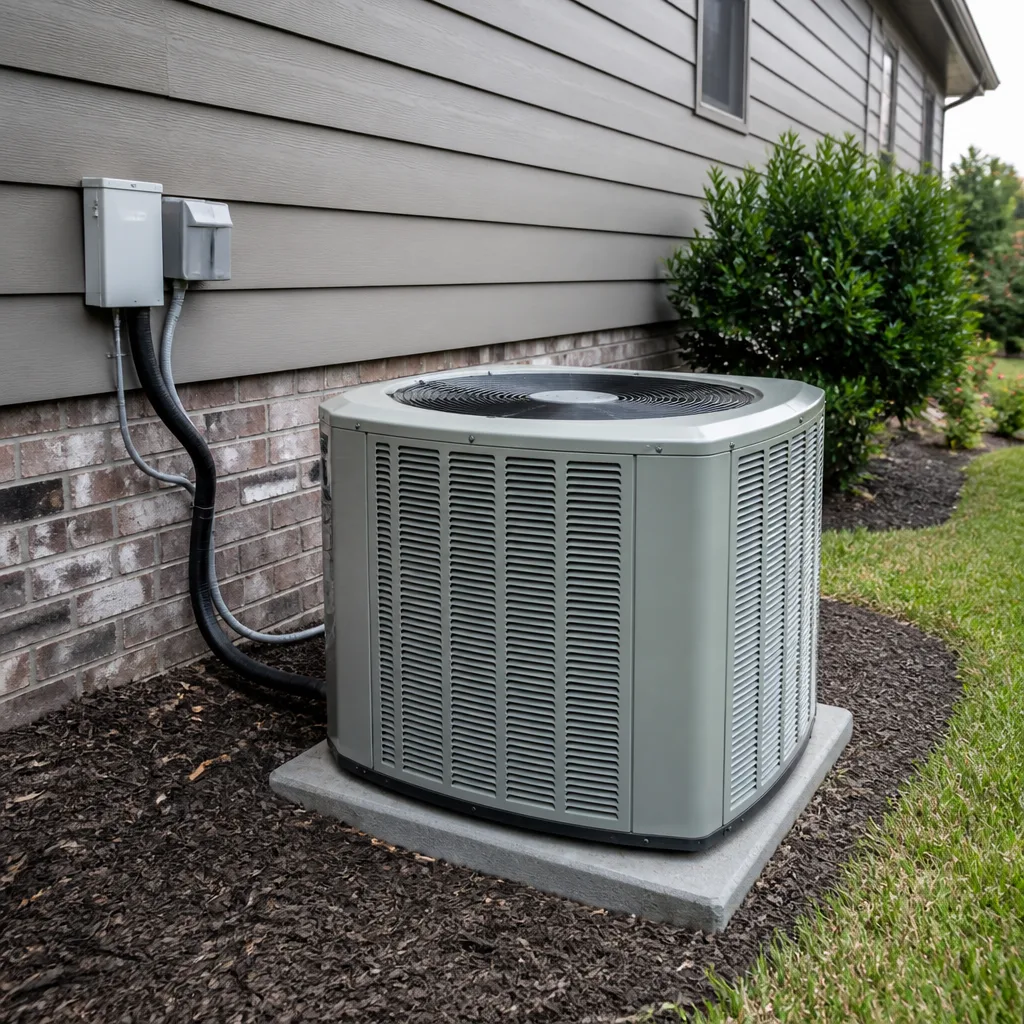 AC repair
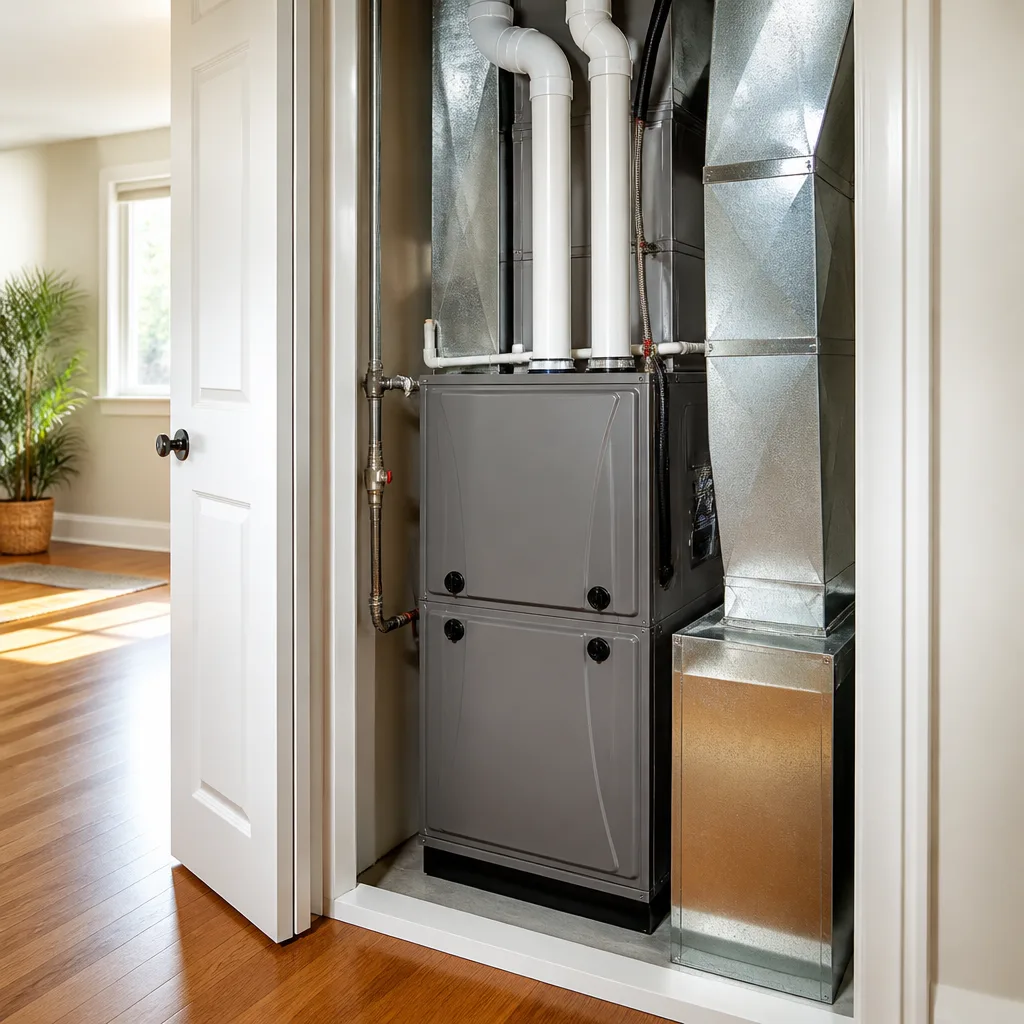 Furnace & heating
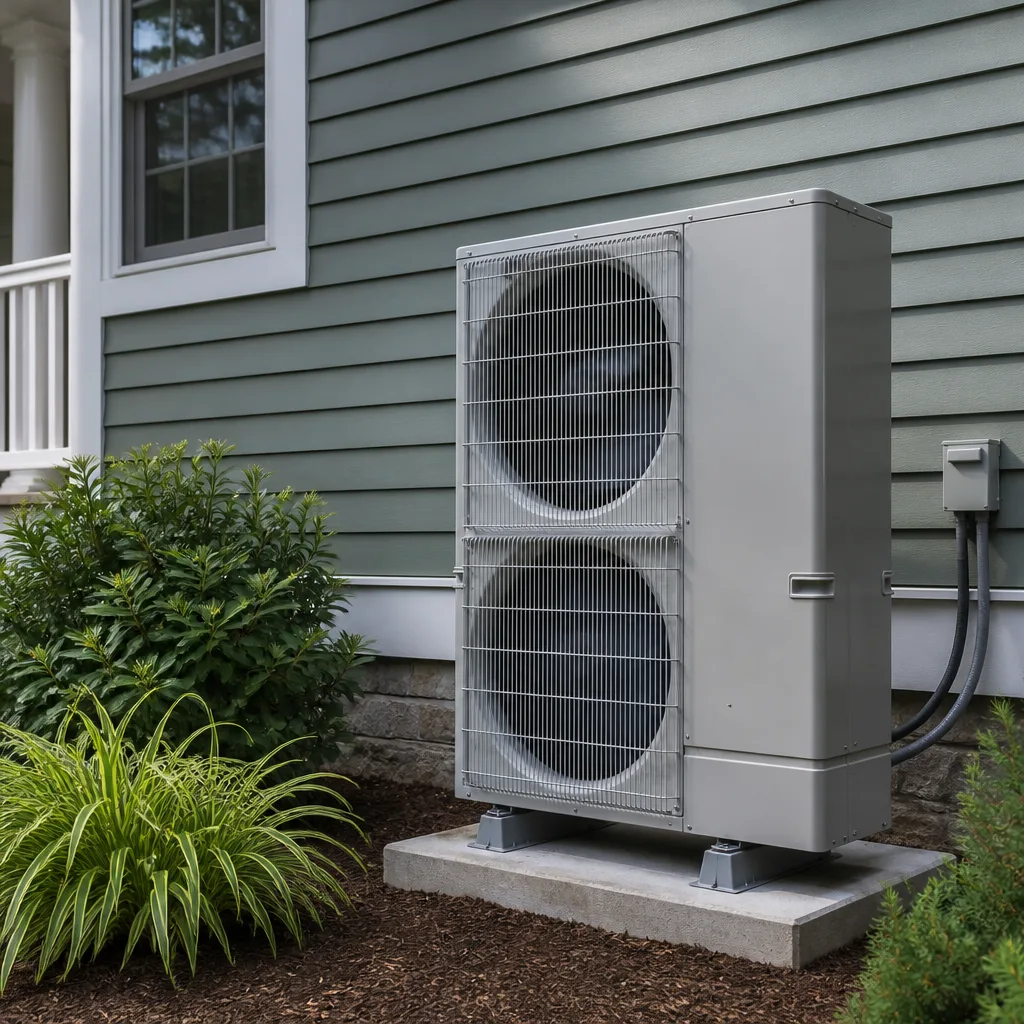 Heat pumps
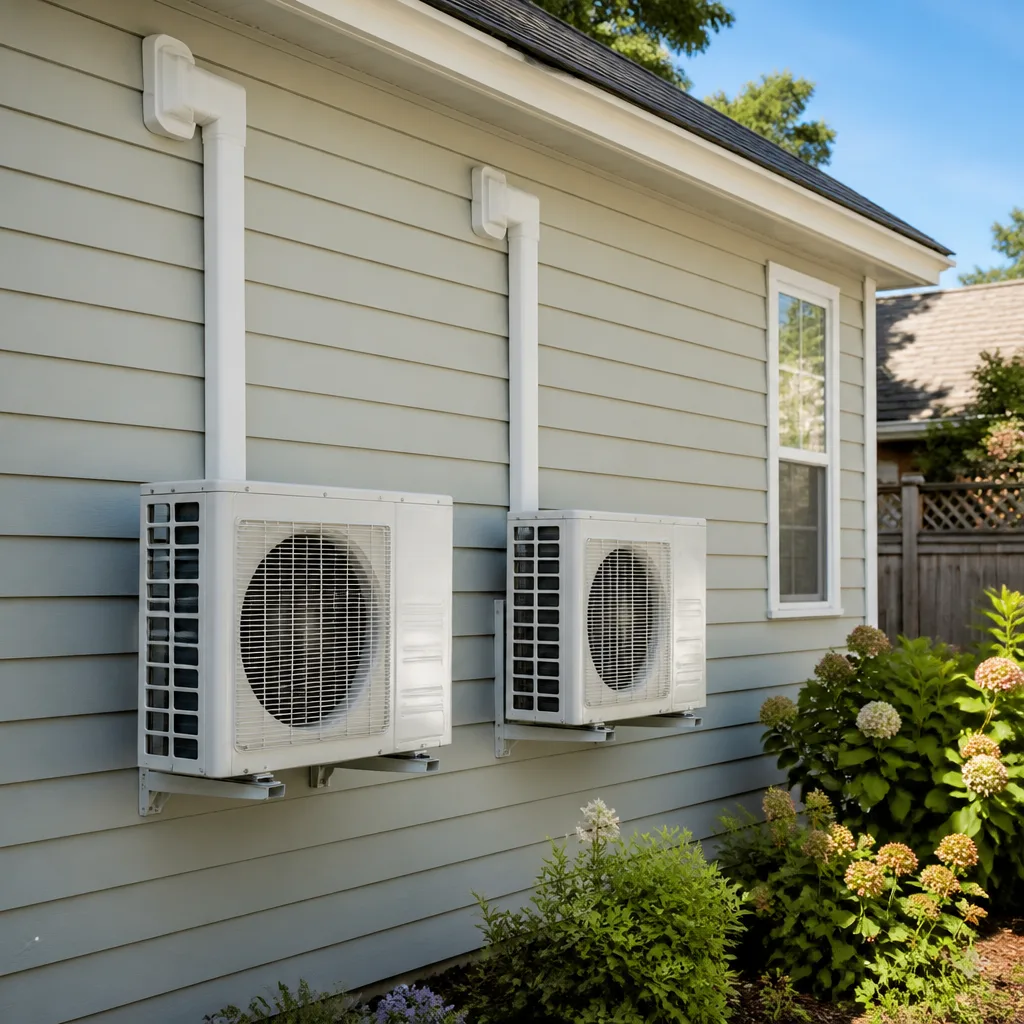 Ductless mini splits
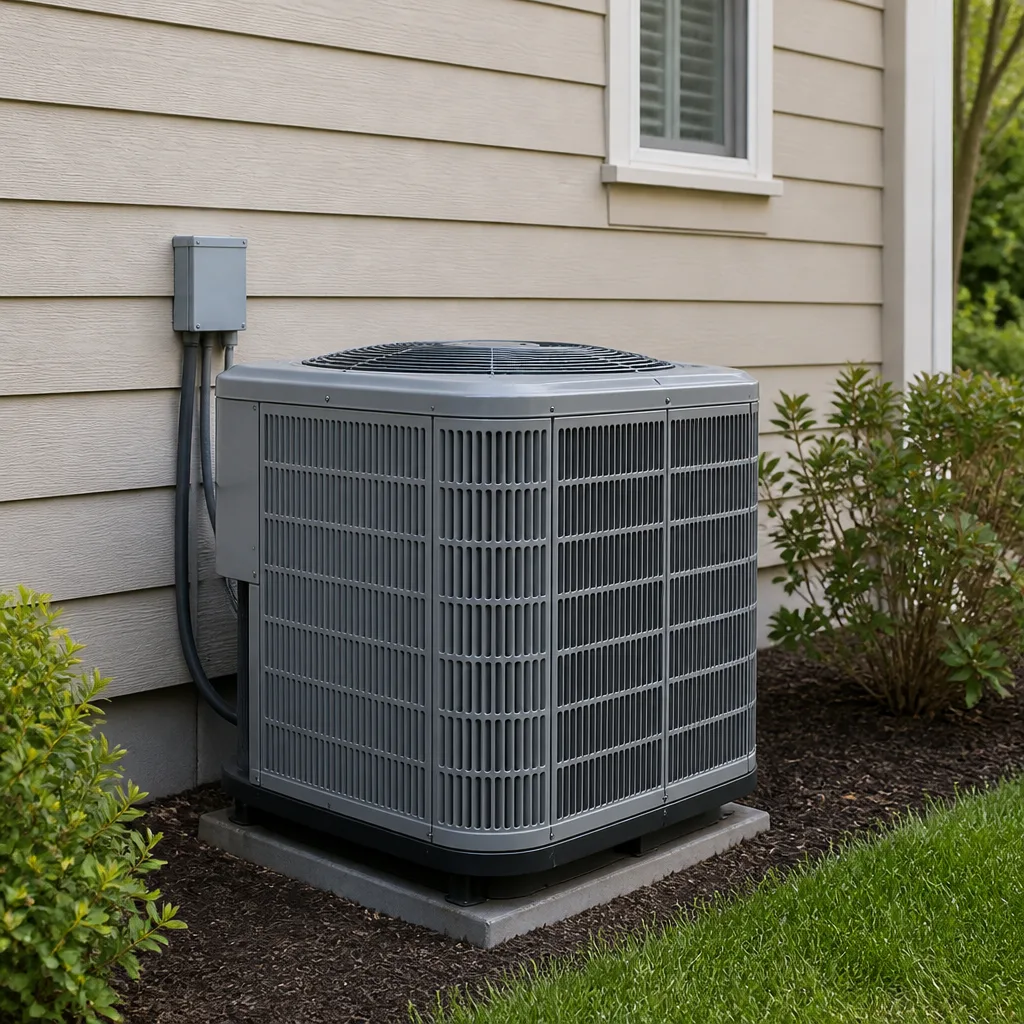 Carrier
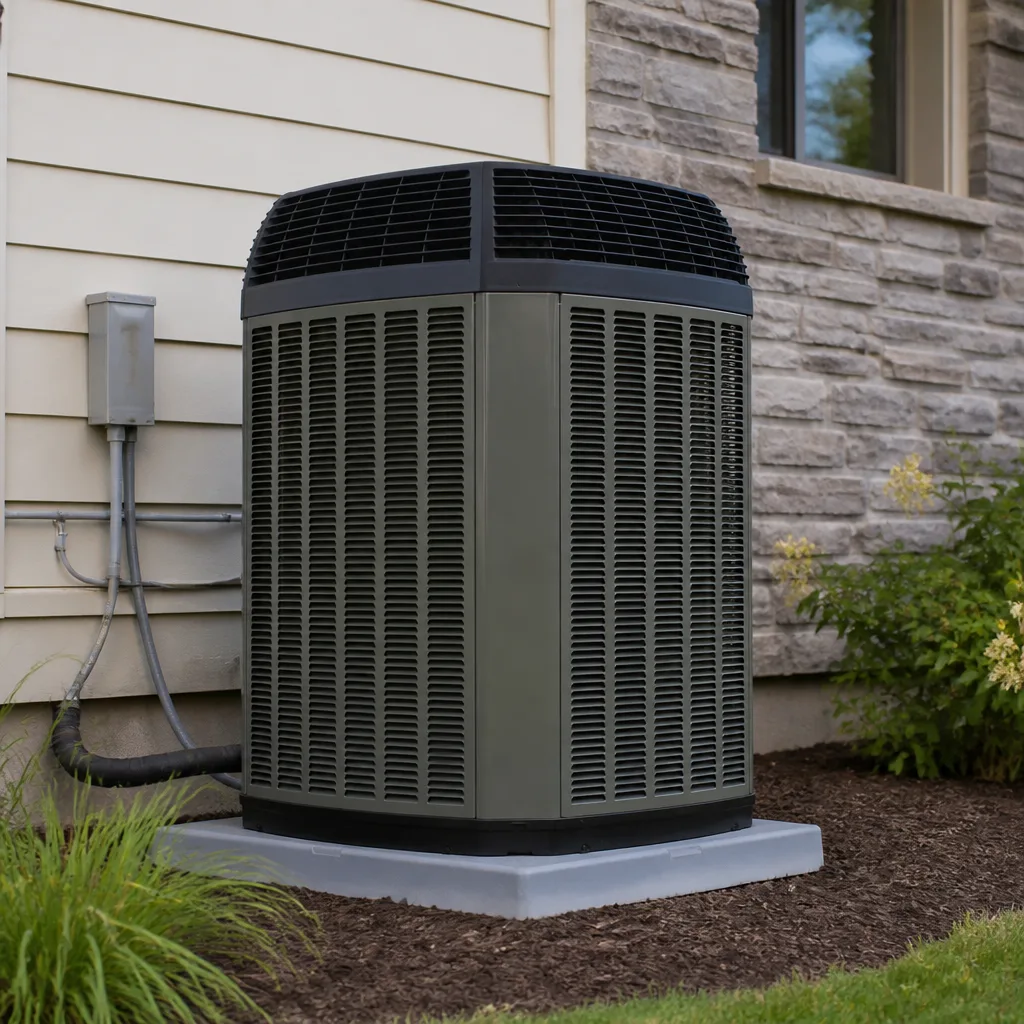 Trane
Trane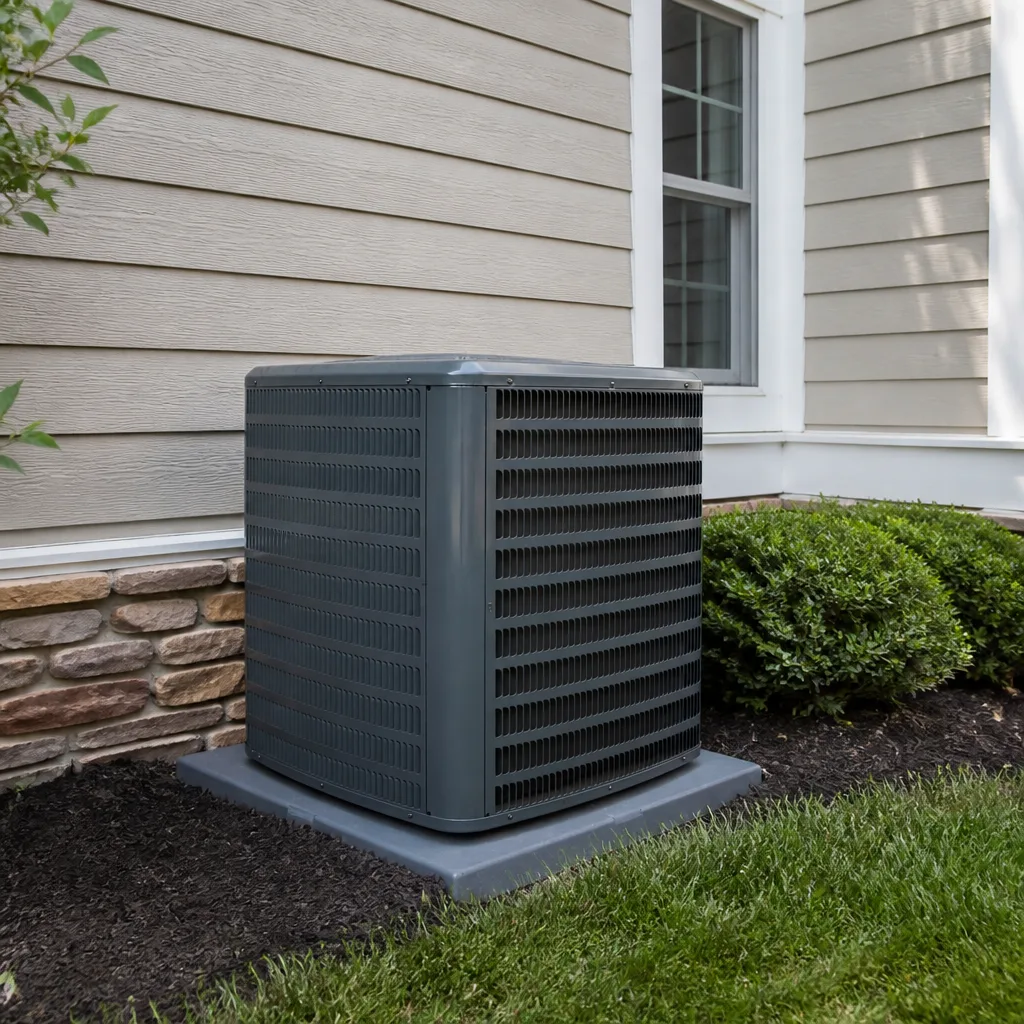 Goodman
Seasonal tune-up and full diagnostic on your Carrier, Trane, or Goodman system - readings shown to you before any repair is proposed
Diagnosis first, numbers second - you approve the repair price before a single part goes in.
Get your free estimateDIY vs Professional HVAC: The Austin Homeowner’s Decision Guide
Here’s a number most Austin homeowners never hear: Section 608 of the federal Clean Air Act makes it illegal to buy or handle refrigerant without EPA certification. That one regulation removes the most common summer AC repair from your DIY list before you even open the toolbox. Austin’s brutal July heat doesn’t care how handy you are, and neither does Texas licensing law. This guide walks through exactly where the legal line sits, which tasks will void your equipment warranty, and what you can safely do yourself without calling a pro. For more, see our more guides & resources.
Quick Answer
In Austin, Texas, a homeowner can legally handle basic tasks like filter changes, drain line clearing, thermostat battery swaps, and coil cleaning, but anything involving refrigerant, electrical panel connections, or gas lines requires a TDLR-licensed technician and EPA Section 608 certification. Most manufacturer warranties on Lennox, Goodman, Rheem, and York equipment void coverage if a non-licensed person performs repairs. The practical answer: do the simple maintenance yourself, and call a licensed pro for anything that touches refrigerant, gas, or high-voltage wiring. If you’re unsure how to choose one, read How to Hire a HVAC Contractor in Austin: A Step-by-Step Guide.
Styles & brands we work with
Table of Contents
- The Legal Boundary in Texas: What You Can and Cannot Touch
- Which DIY Tasks Void Manufacturer Warranties in Austin
- The Five Tasks Austin Homeowners Can Safely Do Themselves
- When a Simple Fix Crosses Into Permit Territory
- How to Document Your Own Maintenance So No One Can Claim Neglect
- The Real Cost Comparison: DIY Savings vs. Risk in Austin
- Austin Climate Reality: Why Half the DIY Advice Online Doesn’t Apply Here
- Tools, Time, and Skills: An Honest Audit Before You Start
The Legal Boundary in Texas: What You Can and Cannot Touch
Texas law draws a hard line through the middle of your HVAC system. On one side sit tasks any homeowner can legally perform. On the other side sit tasks that require a TDLR-licensed contractor, and in the case of refrigerant, a separate EPA Section 608 certification. Austin enforces these rules through the city’s permitting and code compliance office, so ignoring them isn’t a theoretical risk.
Here’s the exact split, based on what we see when we’re called out to AC Repair in Austin jobs after a DIY attempt has gone sideways:
- Legal for homeowners without a license: replacing air filters, cleaning condenser coils, clearing condensate drain lines, replacing thermostat batteries, resetting breakers, tightening accessible electrical connections, replacing a capacitor if you know what you’re doing and can verify the unit is fully discharged, and checking duct connections.
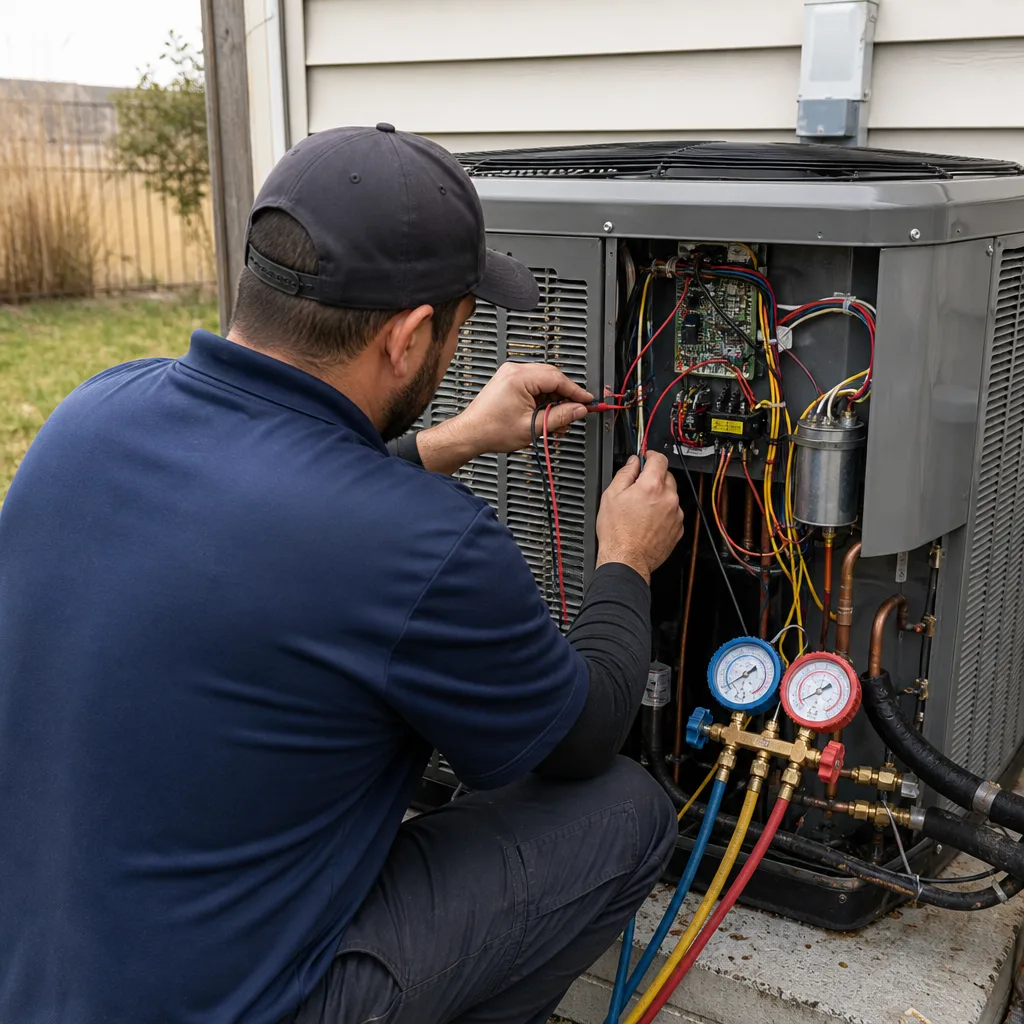
- Requires a TDLR-licensed contractor: any work involving refrigerant (adding, removing, recovering, or recharging), gas line work on furnaces, heat exchanger inspection or replacement, any electrical work beyond the disconnect box, and any repair that involves opening the sealed refrigerant system.
- Requires EPA Section 608 certification specifically: purchasing, handling, or disposing of refrigerant. This is federal law, not Texas law, and it applies to every homeowner in Austin regardless of how many YouTube tutorials say otherwise.
The refrigerant rule matters more in Austin than in most cities because our cooling season runs from April through October. By June, temperatures regularly top 95°F, and low refrigerant is one of the three most common causes of a struggling AC system. A homeowner who discovers their system is low on refrigerant has exactly one legal option: call a licensed technician. Attempting to buy R-410A or R-22 without a Section 608 card is a federal violation with penalties that can reach tens of thousands of dollars per day of violation. The tutorials exist. The risk is not worth it.
Which DIY Tasks Void Manufacturer Warranties in Austin
Here’s a sentence buried in the warranty paperwork of nearly every major equipment brand: “This warranty is void if the unit is installed, serviced, or repaired by anyone other than a licensed HVAC contractor.” Most Austin homeowners never read that line until a claim gets denied.
The brands we service most often in Austin include Lennox, Goodman, and Rheem, and their warranty language is remarkably consistent. A typical Lennox residential warranty covers the compressor for 10 years and parts for 5 years, but only if a licensed contractor performs all service and the homeowner registers the equipment within 60 days of installation. Goodman offers similar terms, and their paperwork explicitly states that unauthorized repairs void coverage. Rheem’s warranty document includes a clause requiring proof of annual professional maintenance in some cases.
What does this mean practically for an Austin homeowner?
- A homeowner who replaces their own blower motor on a 3-year-old Goodman furnace saves maybe $200 in labor, but voids the remaining 7 years of parts coverage on that unit.
- A homeowner who tries to “fix” a low-charge issue by adding a stop-leak product from a parts store has now contaminated the refrigerant system. Every manufacturer warranty excludes damage caused by refrigerant additives.
- A homeowner who rewires a thermostat incorrectly and fries the control board will find the board replacement is not covered, because the failure was caused by unauthorized work.
In our experience at Brandt HVAC Co Austin, we regularly see claims denied because a well-meaning homeowner saved $150 on a repair that subsequently caused $1,800 in damage. The warranty math rarely favors DIY once you understand how the exclusions work. If you’ve already attempted a repair and the system won’t run, call us at (361) 326-1553 before doing anything else. We’ll assess the damage honestly and tell you what’s worth fixing.
The Five Tasks Austin Homeowners Can Safely Do Themselves
Not everything requires a license. There are five maintenance tasks every Austin homeowner should know how to do, because they extend equipment life, keep energy bills down, and reduce the number of service calls you’ll need. Here’s exactly what they are, what tools you need, and what to watch for.
Step 1: Replace your air filter (every 30-60 days)
During Austin’s summer, run times are long and dust from the Hill Country and construction zones clogs filters fast. A dirty filter restricts airflow, which makes your compressor work harder and can cause it to overheat. Tools needed: just your hands. Purchase a MERV 8-11 filter in the correct size, turn the system off at the thermostat, slide out the old filter, and slide in the new one with the airflow arrow pointing toward the blower. Cost: $8-15 per filter.
Step 2: Clear the condensate drain line (monthly during cooling season)
Austin humidity means condensate lines clog frequently with algae and mold growth. A simple flush with white vinegar or warm water through the access point near the indoor unit will clear most soft clogs. Tools: a small funnel and a cup of vinegar. If water backs up and the safety switch trips, your AC won’t run, and that’s a sign the clog is deeper than vinegar can fix. At that point, a wet/dry vacuum on the drain outlet can work, but if you’re not comfortable with that, a AC Maintenance in Austin visit handles it fast.
Step 3: Clean the outdoor condenser coil (per season)
Austin’s allergens, cottonwood, and construction dust coat condenser coils quickly. A gentle rinse with a garden hose, from the top down, removes surface debris and improves heat transfer. Tools: a garden hose with a spray nozzle. Important: never use a pressure washer, because bending the delicate fins will reduce efficiency. Turn off the power at the external disconnect before spraying.
Step 4: Replace the thermostat batteries (whenever the screen dims)
A weak thermostat battery causes wrong temperature readings and short cycling. Swapping AA or AAA batteries takes thirty seconds and requires no tools. If your thermostat is hardwired with no battery compartment, skip this task. For newer smart thermostats, the wiring stays in place and only the faceplate detaches, so this is safe.
Step 5: Inspect visible ductwork for disconnects (twice a year)
In Austin attics, duct connections can loosen from heat cycling. A visual inspection may reveal a duct that has slipped off a register boot, leaking cooled air into the attic. If you find one, reattaching with foil tape is usually straightforward. Tools: a flashlight, foil tape. If the gap is larger than a couple inches or the duct is in an awkward crawlspace, call a pro. Checking is always safe. Repairing sometimes crosses into a job that requires proper sealing technique.
What to watch for with all five: If you’re uncomfortable at any step or smell something burning, stop and call a pro. These tasks are simple for most homeowners, but none of them are worth personal injury or equipment damage if you’re not sure.
When a Simple Fix Crosses Into Permit Territory
Austin’s permit requirements catch homeowners off guard more than any other aspect of HVAC work. The general rule: replacing an existing component is typically a repair and doesn’t require a permit, but changing the scope or layout of the system does. Here’s where the line sits.
No permit required: replacing a capacitor, contactor, control board, blower motor, or fan motor; recharging refrigerant on an existing system; clearing a drain line; replacing a thermostat with the same type.
Permit required in Austin: installing a new system or replacing an entire existing system; relocating equipment (moving the condenser to the other side of the house); adding new duct runs; installing a gas line extension for a new furnace; converting from electric to gas or vice versa. The City of Austin’s Development Services Department enforces these requirements, and a contractor found performing permitted work without a permit faces fines of $500 or more per violation, plus a stop-work order.
Why this matters for a DIY-minded homeowner: a $15 drain line clearing that’s just a clog is maintenance. But if you discover the drain pan is cracked and decide to swap it yourself, you’re still fine, because that’s a component replacement. If you decide the duct design is the real issue and start cutting into the plenum to add a takeoff, you’ve crossed into territory that requires a permit and licensed work. If a home inspector later flags unpermitted modifications when you sell the house, you’ll pay to fix it then, plus the cost of whatever shortcut seemed smart at the time.
How to Document Your Own Maintenance So No One Can Claim Neglect
Here’s a scenario we see in Austin all the time. A homeowner’s 6-year-old York system has a compressor failure. The manufacturer asks for maintenance records. The homeowner changed filters regularly for six years but can’t prove it. The warranty claim gets delayed or denied because the manufacturer’s position is that neglect caused the failure.
You can prevent this with a simple documentation habit. Here’s the system:
- Buy a small notebook or create a digital note on your phone. Every time you do any maintenance task, log the date and what you did. “July 14: replaced filter, MERV 8, 16x25x1” takes ten seconds to write and is exactly what a manufacturer wants to see.
- Take a photo of the old filter next to the new one before swapping. Date-stamped photos are strong evidence of consistent care.
- Keep receipts. Filter purchases, thermostat batteries, vinegar for drain lines. If the manufacturer asks for maintenance records, a stack of receipts plus your log tells a compelling story of routine care.
- Log any professional service visits. Keep the invoice, even for small jobs. If we do a Furnace Repair in Austin visit and note a separate issue on the invoice, that document is evidence the system was professionally evaluated.
- Set calendar reminders. Filter changes every 30-60 days. Drain line flushes monthly during the cooling season. Coil cleaning twice a year. When your documentation is consistent, a warranty claim is far less likely to be denied for neglect.
This documentation habit also helps you spot problems early. A log that shows “August: noticed water pooling near air handler; poured vinegar, didn’t resolve” tells us immediately where to look when we arrive.
The Real Cost Comparison: DIY Savings vs. Risk in Austin
Let’s put numbers on the DIY-versus-pro decision, because “save money” only makes sense when you can see the actual figures. These ranges reflect typical Austin market pricing as of early 2026; for deeper detail, see our HVAC Cost Breakdown: The Austin Homeowner’s Reference for 2026.
| Task | DIY Cost | Professional Cost | Key Risk of DIY |
|---|---|---|---|
| Air filter replacement | $8-15 | $20-40 | None |
| Drain line clearing (vinegar flush) | $2-5 | $75-150 | Clog may be deeper than vinegar reaches |
| Condenser coil cleaning | $0 (garden hose) | $100-180 | Fin damage from pressure washing |
| Thermostat battery replacement | $2-5 | $85-140 | None |
| Capacitor replacement | $25-60 (part only) | $175-275 | Electrical shock from stored charge; wrong capacitor size damages compressor |
| Blower motor replacement | $120-300 (part only) | $450-850 | Voids warranty; incorrect wiring burns out new motor |
| Refrigerant recharge | Illegal; part not available to public | $150-400 | Federal penalties up to $44,539 per day; system damage if wrong refrigerant used |
| Furnace ignitor replacement | $20-50 (part only) | $180-300 | Gas leak risk; cracked ignitor is a safety issue |
Add to these numbers the value of your time. A homeowner tackling a capacitor replacement for the first time will spend an hour watching tutorials, an hour at the parts store, and an hour doing the repair, plus the anxiety of wondering if it’s wrong. A pro does the same job in 20 minutes with a written guarantee. The real question isn’t “can I save $150?” It’s “can I afford a $900 compressor replacement if I wire this wrong?” That’s the Brandt HVAC Co Austin home philosophy in a nutshell: certainty about the outcome is worth more than the difference between DIY and professional pricing.
Austin Climate Reality: Why Half the DIY Advice Online Doesn’t Apply Here
Most online HVAC tutorials are written for temperate climates. Austin is not temperate. Our summers run long and hot, our humidity is high, and our spring allergy season is punishing on equipment. Here’s what that means for DIY decisions.
Long run times change wear patterns. An Austin AC runs 2,000-3,000 hours per year, nearly double the national average. Components that last 15 years in Minnesota fail in 8-10 years here. A homeowner who’s considering a DIY repair on a 9-year-old capacitor should know the system is likely approaching other component failures anyway. We see this in neighborhoods like Mueller and Circle C: by year 10, you’re usually deciding between a repair and a replacement, and paying for professional advice up front is cheaper than guessing wrong.
Humidity complicates everything. Austin’s high dew points mean condensate lines clog faster, coils mildew faster, and undersized systems struggle more. A homeowner who installs a new thermostat and accidentally sets the fan to “On” instead of “Auto” during the summer will pump humid air back into the house, creating mold conditions in walls and ducts. A professional knows to avoid that. A DIY tutorial may not mention it.
Specific equipment matters. Austin homes are heavily split between older R-22 systems and newer R-410A or R-454B units. Mixing refrigerants or using the wrong type will destroy a compressor. A tutorial filmed for a R-410A unit doesn’t apply to a 2005 R-22 system, and the homeowner who doesn’t know the difference won’t catch the error until the damage is done.
Local code quirks exist. Austin’s energy code requires specific SEER2 minimums on new installations, and some neighborhoods with historic district designations have additional restrictions on equipment placement. A homeowner who relocates a condenser without checking the rules can end up with a code violation that blocks a future home sale.
We’ve also seen another pattern: Goodman systems are extremely common in Austin’s entry-level and mid-range homes, and their parts are readily available online. That availability tempts homeowners into repairs that manufacturer warranty language explicitly excludes when performed without a license. Just because you can buy the part doesn’t mean you should install it.
Tools, Time, and Skills: An Honest Audit Before You Start
Before you decide on any DIY HVAC task, run through this short audit. It’s what we’d tell a friend who asked us the same question over coffee.
- Do you own the right tools? A multimeter, insulated screwdrivers, needle-nose pliers, and a voltage detector are the minimum for anything electrical. If you’re buying them specifically for this repair, factor that cost into the “savings” calculation.
- Do you know how to discharge a capacitor safely? Capacitors store voltage even with power off. Touching the terminals without proper discharge can deliver a shock that can be fatal. This isn’t a scare tactic. It’s the reason electrical component work belongs with pros unless you genuinely understand electrical safety.
- Can you identify the exact part number before disassembly? HVAC systems are not interchangeable. A blower motor has a specific horsepower, RPM, voltage, and rotation direction. Getting any one of the four wrong results in a motor that fails within months.
- Can you finish the job in one session? An Austin AC system that’s down in August is an emergency. If you pull a part off and can’t source a replacement until Tuesday, you’re now three days without AC in a 100°F house. That’s not an inconvenience. For elderly residents, young children, or anyone with health conditions, that’s a medical risk. We answer our phone with a live person 24/7 for exactly this reason. Call (361) 326-1553 and a real human picks up, every time.
- Do you know what to do if it doesn’t work after the repair? A pro has a process for diagnosis when the first fix doesn’t resolve the issue. A homeowner often doesn’t have a second or third hypothesis ready, which means more hours of troubleshooting and a growing risk of causing additional damage.
If you answer “no” to any of these five questions, the professional route is the safer choice. Almost every Austin homeowner lands somewhere in the middle: comfortable with filters and drain lines, but wise enough to call for anything involving refrigerant, gas, or high voltage. That’s a reasonable place to draw the line.
Common Mistakes to Avoid
- Buying refrigerant online without certification. Sellers exist, but so do EPA enforcement stings. An Austin homeowner caught purchasing R-22 or R-410A without a Section 608 card faces federal penalties that dwarf any repair bill.
- Using a pressure washer on condenser coils. We see bent fins from this every spring in Austin. The pressure folds the aluminum fins flat, which reduces heat transfer and can overheat the compressor.
- Replacing a capacitor with a different microfarad rating. “Close enough” is not close enough. The wrong capacitor will cause the compressor to draw excessive current, eventually burning it out. Compressor replacement costs $1,500-$3,500 depending on the unit.
- Blocking the condenser with mulch, fencing, or plantings. Many Austin homeowners build raised garden beds or privacy screens around their outdoor units without leaving clearance. The unit needs 18-24 inches of open air on all sides. Blocked airflow shortens compressor life significantly.
- Attempting gas furnace work without checking for leaks. If you replace a thermocouple or ignitor and a small gas leak results, you’re introducing carbon monoxide and fire risk into the home. Gas work requires a licensed technician and proper leak testing equipment. No tutorial video changes that.
- Skipping the permit for a system replacement. Some Austin homeowners hire a handyman to replace a full system, thinking they’re saving money. The resulting unpermitted installation won’t pass a future home inspection, won’t qualify for manufacturer warranty coverage, and may not meet Austin’s energy code. When you call a licensed company, the permit is part of the job, handled by them.
- Documenting nothing. We covered this above, but it bears repeating. Six years of diligent filter changes without a log looks identical to six years of neglect when a manufacturer reviews a claim. A ten-second note in your phone protects thousands of dollars in warranty value.
See the difference
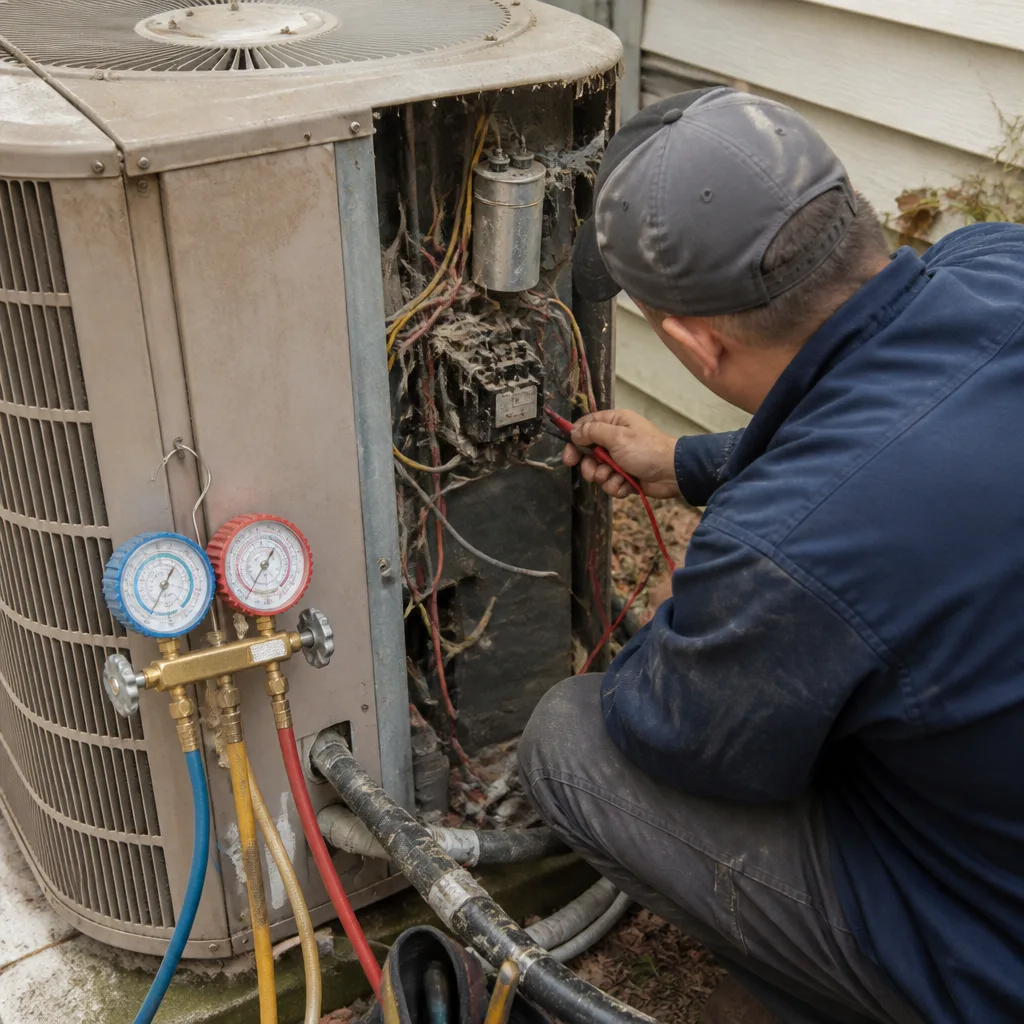 Before
 After
After Before
 After
After Before
 After
AfterWhen to Call a Professional
Here’s the short version. Call a professional when any of these apply: your system uses refrigerant and you suspect it’s low; you smell gas or notice any gas odor near your furnace; the system trips breakers repeatedly; the indoor or outdoor unit makes banging, screeching, or grinding noises; water is leaking in a way that suggests a cracked drain pan or coil; or you’ve attempted a simple fix and the problem persists. In Austin’s climate, a down system in July is not something to troubleshoot for a week. It’s something to solve today. Brandt HVAC Co Austin offers free estimates in Austin, and every job starts with a written price before any work begins. Our technicians arrive by name and photo, with a badge shown at the door, and every repair carries a written 365-Day Done Right Promise. Call (361) 326-1553 for a free estimate.
Frequently Asked Questions
No. Federal law under EPA Section 608 prohibits anyone without Section 608 certification from purchasing or handling refrigerant. Texas TDLR licensing rules add a separate layer, requiring a licensed contractor for any refrigerant work. In Austin, attempting this yourself carries federal penalties and will void your equipment warranty.
You can replace air filters, clear condensate drain lines with vinegar, rinse condenser coils with a garden hose, replace thermostat batteries, and visually inspect ductwork. These five tasks are legal, safe for most homeowners, and genuinely helpful for equipment longevity. Anything beyond that list likely crosses into licensed territory.
Yes, in most cases. Both Lennox and Goodman warranty documents state that service or repair by anyone other than a licensed HVAC contractor voids coverage. DIY installation of replacement parts, refrigerant additives, or unauthorized electrical modifications are common warranty denials we see in Austin.
Component replacements and standard repairs do not require a permit in Austin. Full system replacements, equipment relocations, new duct runs, and gas line extensions do. See HVAC Permits, Codes & Inspections in TX: What You Need to Know for full details. The City of Austin’s Development Services Department enforces these requirements, and unpermitted work can create problems when you sell your home.
Most common repairs range from $150 to $500. A capacitor replacement typically runs $175 to $275, a furnace ignitor replacement $180 to $300, and a refrigerant recharge $150 to $400 depending on the amount needed. Full system replacements in Austin start around $6,000 for a basic system and increase based on size and efficiency. Call (361) 326-1553 for an exact written quote on your specific system.
Start with the basics: check that the thermostat is set to “cool,” the filter isn’t clogged, and the outdoor unit’s disconnect switch hasn’t tripped. If all three check out, call a professional. In Austin’s summer temperatures, a non-functioning AC can create dangerous indoor conditions for vulnerable residents. We answer our phone with a live person 24/7, and we’ll tell you exactly who’s coming to your door before they arrive.
Yes, and you should. Keep a dated log of every filter change, drain line flush, and coil cleaning, plus photos and receipts. This creates a maintenance record that protects your warranty claim if a component fails. It also gives a diagnostic technician a clear picture of how the system has been cared for over time.
The Bottom Line
The DIY-versus-pro decision in Austin comes down to one question: is the work legal, safe, and warranty-safe for a homeowner to perform? Filter changes, drain line flushes, coil rinses, thermostat batteries, and duct inspections clear that bar. Everything else, especially anything involving refrigerant, gas, or electrical components, belongs with a licensed professional, not because we want to sell you a service, but because the law, the warranty language, and actual safety considerations draw the line there. Austin’s climate makes a working HVAC system a health necessity. When the job is beyond the five safe tasks, call (361) 326-1553 and get a written price from a technician you’ll know by name before they arrive. That’s the approach that protects your home, your wallet, and your warranty.
Written by Devin Marlowe, Owner at Brandt HVAC Co Austin, serving Austin since 2003.