
Last updated October 16, 2026
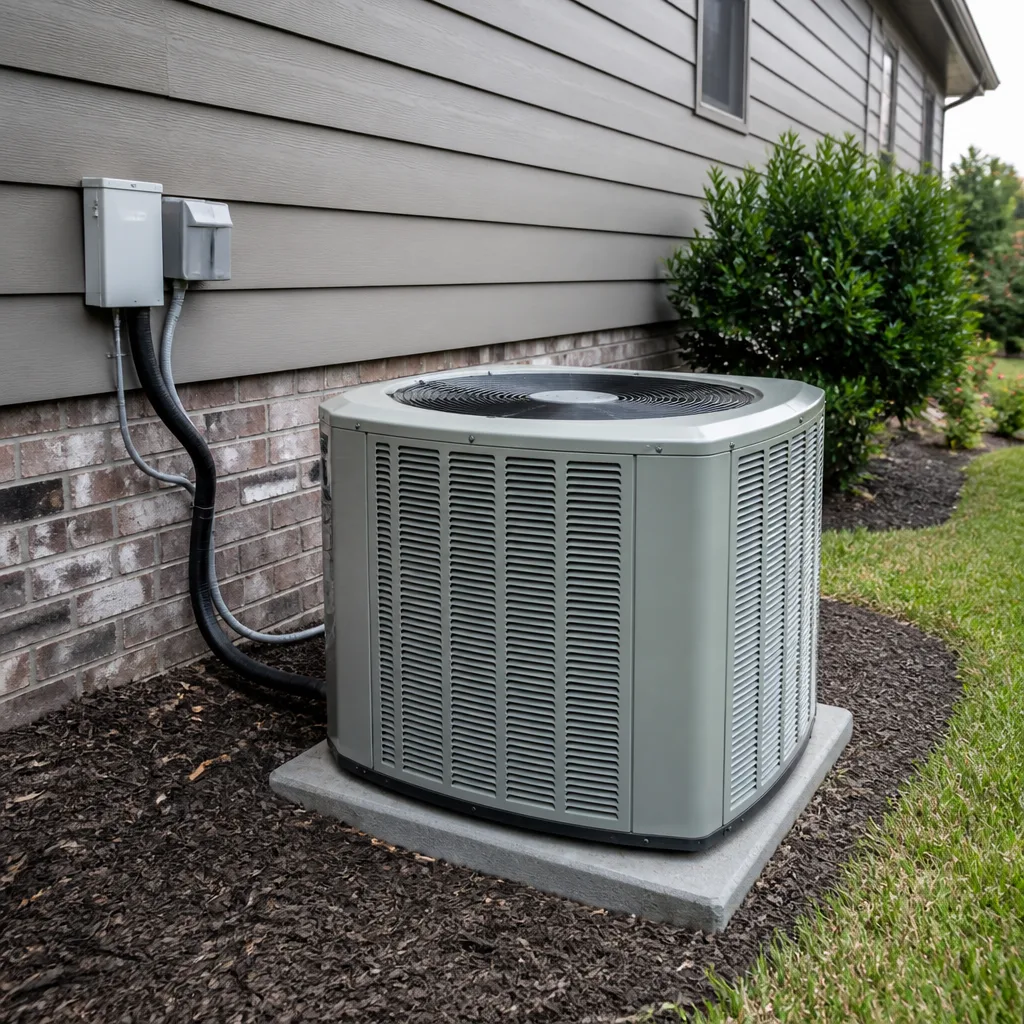 AC repair
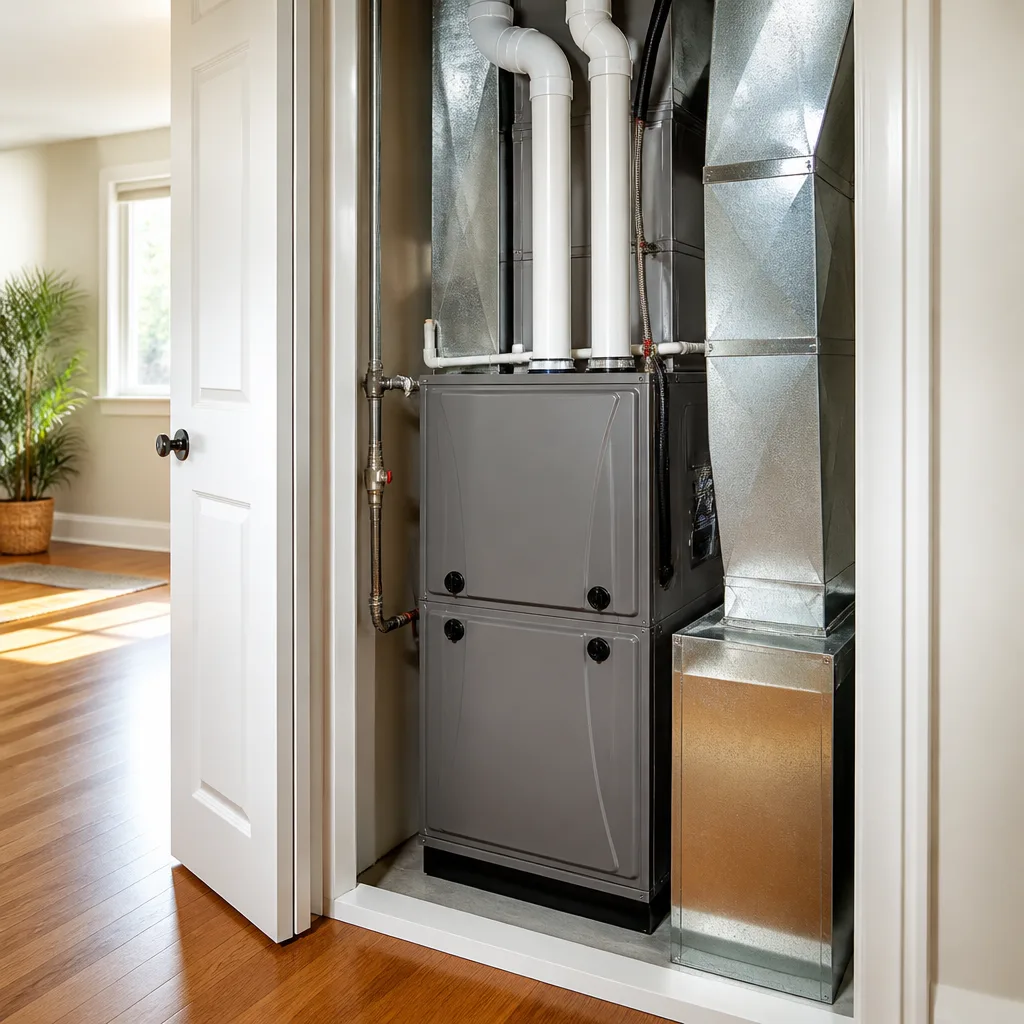 Furnace & heating
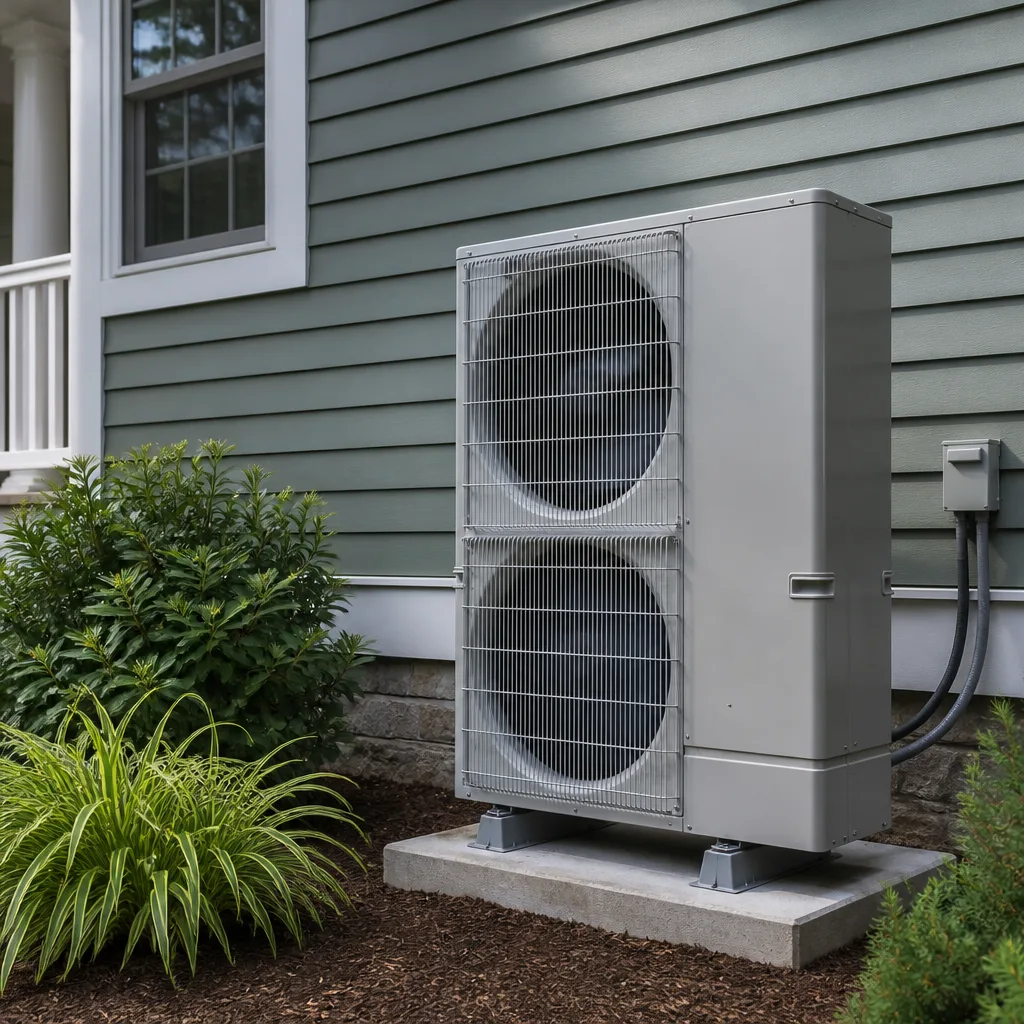 Heat pumps
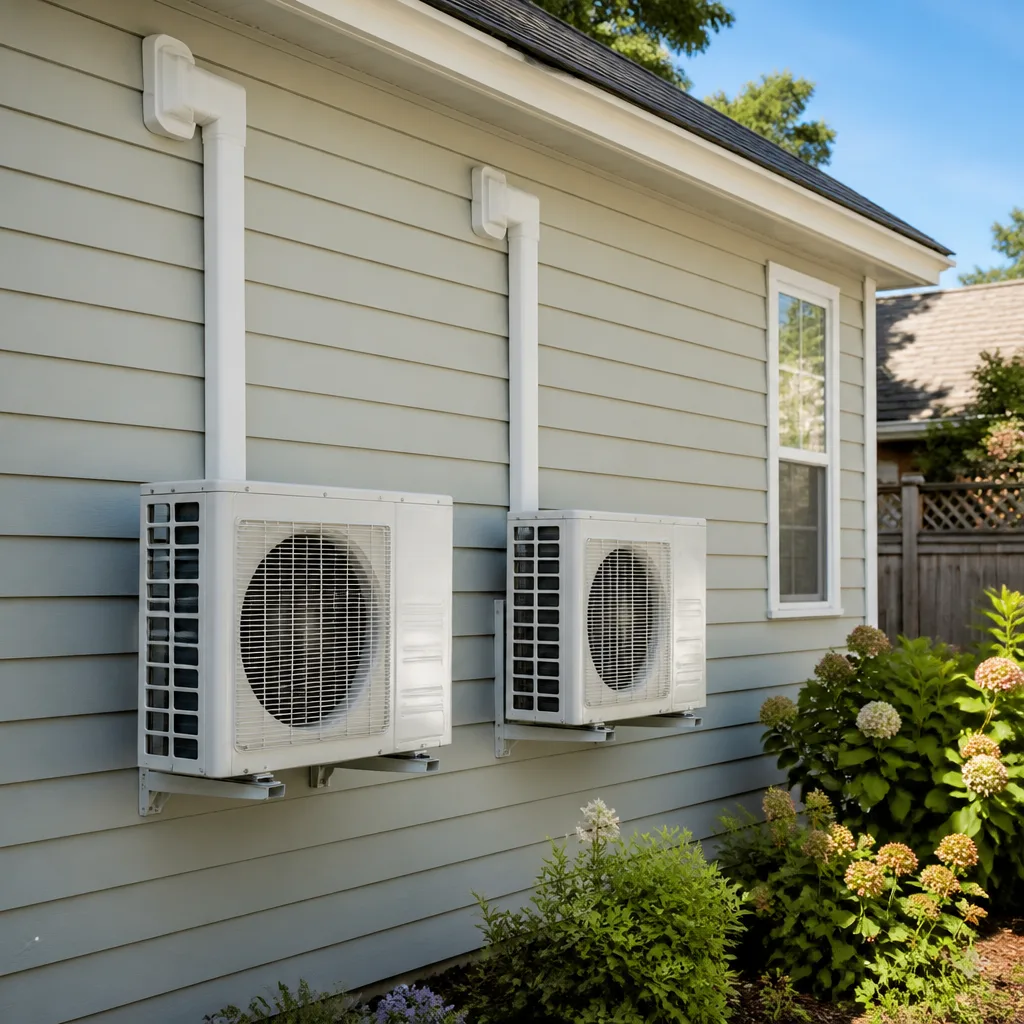 Ductless mini splits
 Carrier
 Trane
Trane Goodman
Seasonal tune-up and full diagnostic on your Carrier, Trane, or Goodman system - readings shown to you before any repair is proposed
Diagnosis first, numbers second - you approve the repair price before a single part goes in.
Get your free estimateHVAC Permits, Codes & Inspections in TX: What You Need to Know
If you sell your Austin home and the buyer’s inspector finds an unpermitted HVAC replacement, even one installed five years ago by a reputable company, you can be required to open walls, re-pull the permit, and pass a new inspection before closing. It happens every month in Travis County. This guide covers exactly when Texas and City of Austin rules require a permit, what an inspector actually looks at, what happens when a permit was never pulled, and how to protect yourself before you buy, sell, or hire a contractor. For more guides & resources, see our blog.
Styles & brands we work with
Quick Answer
In Austin, any HVAC job that changes the equipment, moves ductwork, alters refrigerant lines, or touches the electrical or gas connection to the system requires a mechanical permit from the City of Austin Development Services Department. Simple maintenance like filter changes, thermostat battery swaps, and capacitor replacements are exempt. If you hire a contractor and the permit isn’t pulled, the liability typically lands on the homeowner, not the company.
Table of Contents
- When a Permit Is Required in Austin
- Jobs That Do Not Require a Permit
- How to Check If Your Existing HVAC Permit Was Ever Closed Out
- What a City of Austin Mechanical Inspection Actually Checks
- The Texas Insurance Code and Unpermitted HVAC Work
- What to Do If You Bought a Home With an Unpermitted HVAC System
- The Retroactive Permit Process in Travis County, Step by Step
- Common Mistakes to Avoid
- When to Call a Professional
- Frequently Asked Questions
- The Bottom Line
When a Permit Is Required in Austin
The City of Austin adopts the International Mechanical Code and the International Residential Code with local amendments, and the rule is simpler than most people expect: if the work changes the installed equipment or its connections, you probably need a permit. The permit is technically called a mechanical permit, and it’s issued by the City of Austin Development Services Department. In our experience, about half the homeowners we talk to in Austin don’t realize their last system swap was permitted work, and a meaningful share of those discover years later that the permit was never actually pulled.
Here are the specific jobs that require a City of Austin mechanical permit:
- Full HVAC system replacement, whether it’s a furnace, air conditioner, heat pump, or any combination. Swapping a 3-ton unit for another 3-ton unit is still a permit job because the refrigerant lines, electrical connection, and condensate drain all get disconnected and reconnected.
- New duct installation or major duct modification. Adding a supply run to a room that never had one, or replacing more than a small section of trunk line, requires a permit. The inspector needs to see duct sizing and sealing before the drywall or insulation covers it.
- Any change to the gas line serving the furnace. If a gas line is extended, relocated, or upsized to feed a new furnace, that’s both a mechanical and plumbing code issue, and Austin requires the permit to cover both scopes.
- Electrical circuit changes for equipment. If a new AC condenser needs a different breaker size or a new disconnect box, the electrical portion of the job falls under the mechanical permit review as well.
- Relocating the indoor or outdoor unit. Moving an air handler from a hallway closet to the attic, or moving a condenser from one side of the house to the other, changes line set length, condensation drainage, and sometimes load calculation. Those all need review.
- Converting fuel type. Switching from an electric furnace to a gas furnace, or from a gas furnace to a heat pump, is a permit job because the venting, combustion air, and gas connection rules all change.
What surprises many Austin homeowners is that a permit isn’t just a fee you pay. It’s a record that ties the work to a licensed contractor, and it’s the only proof the city has that the work was done under code. When the time comes to sell, refinance, or file an insurance claim, that record matters. If you’re in the middle of a repair and not sure whether the scope crosses the permit line, the fastest check is a call to the City of Austin’s Building and Trade Contractor line at 311, where you can describe the work and get a straight answer. If you’re looking for broader context on how repairs fit into the bigger picture of your system’s health, our AC Maintenance in Austin page explains what typically gets addressed in a permitted service versus what falls under routine upkeep.
Jobs That Do Not Require a Permit
Not everything your HVAC technician does needs a permit. The City of Austin exempts maintenance, repair of existing components, and small-scope replacements that don’t alter the system’s design. These exemptions exist so homeowners aren’t paying permit fees for work that simply restores what’s already there. Here’s what’s exempt:
- Filter replacement and cleaning the condensate line with a wet-dry vac or compressed air.
- Thermostat replacement or upgrade, as long as the new thermostat uses the same low-voltage wiring and doesn’t require new line-voltage circuits. A smart thermostat swap is almost always exempt.
- Capacitor, contactor, and relay replacement. These are component-level repairs on existing equipment, and Austin treats them as maintenance, not modification.
- Condensate pump replacement when it’s a like-for-like swap on an existing drain line.
- Igniter, flame sensor, and pressure switch replacement on a furnace. These parts restore existing function and don’t change combustion air, venting, or gas pressure.
- Blower motor replacement when the new motor matches the existing unit’s electrical specifications and mounting configuration.
- Refrigerant leak repair and recharge on an existing system. The equipment isn’t changing, so no permit is required. That said, Austin’s refrigerant handling rules still require an EPA-certified technician, and Texas licensing law requires the person doing the work to hold a state contractor’s license.
Here’s the rule of thumb we tell Austin homeowners: if the job could be described as “fixed what was broken” and no ductwork, gas line, electrical circuit, or equipment model changed, it’s probably exempt. If the job is described as “replaced the unit” or “moved the system,” assume you need a permit until someone from the city says otherwise. When you’re evaluating whether a repair falls under maintenance or replacement, the details matter. Our AC Repair in Austin page walks through common repair scopes and what to expect on a written quote, so you can see where the permit line usually sits.
How to Check If Your Existing HVAC Permit Was Ever Closed Out
Austin makes permit records publicly searchable, but the portal isn’t always intuitive. You can look up any address and see every permit application, issuance date, inspection result, and final closeout associated with that property. Here’s how to do it:
- Go to the Austin Build + Connect portal. The City of Austin’s online permit system is called Austin Build + Connect, accessible through the Development Services Department website. You don’t need an account to search public records.
- Select “Search Permits” and enter your street address. Use the format the portal suggests, without unit numbers or city names. If your house is at 3410 Oak Springs Drive, enter “3410 Oak Springs” and select the matching address.
- Look for permits labeled “Mechanical” or “MECH.” Each permit type is coded. HVAC work typically appears under “Mechanical Permit” with a description referencing the equipment type, such as “AC replacement,” “furnace install,” or “duct work.”
- Check the permit status. The column that matters is “Status.” You want to see “Finaled” or “Closed.” If you see “Issued” but the permit was never finaled, that means the contractor pulled the permit but the inspection was never scheduled or never passed. That open permit is a problem.
- If you see no mechanical permit at all, that’s the red flag. A missing permit means either the work was done without one, or the permit was applied for under a different address format. Double-check the parcel number on the Travis County Appraisal District site and search by that if needed.
This five-minute check is worth doing even if you’re not planning to sell. In Austin’s hot housing market, homeowners frequently discover open permits or missing permits only when a title search is underway, and by then the timeline to fix it is compressed. A mechanical permit that was never finaled can sit open for years without anyone noticing, and it won’t clear itself. If you find an open permit, you or the original contractor can schedule the inspection, but the inspector will want to see the work, which usually means opening access panels and sometimes drywall, depending on when the open items were left.
What a City of Austin Mechanical Inspection Actually Checks
When a permit is pulled and the work is done, a City of Austin mechanical inspector comes out to verify the installation. Homeowners often assume this inspection is a rubber stamp. It’s not. The inspection list is specific, and failing items are common. Here’s what the inspector is actually checking, so you know what “passed inspection” really means:
- Equipment sizing documentation. The inspector can ask for the load calculation or the manufacturer’s data plate to confirm the installed unit matches the permitted scope. If the permit says 3-ton and the data plate says 4-ton, that’s a fail.
- Condensate drain installation. The inspector checks the drain slope, trap configuration, and whether the drain terminates to an approved location. In Austin, draining condensate onto a neighbor’s property or into a sanitary sewer line without an air gap is a common fail.
- Refrigerant line set connections. The inspector looks at brazing quality, pipe insulation, and whether the line set is secured. Visible oil stains at a braze joint are a red flag for a leak.
- Electrical disconnect and conductor sizing. The inspector verifies the disconnect is within sight of the condenser, the breaker matches the equipment’s maximum overcurrent protection rating, and the wiring gauge is sufficient. Undersized conductors are one of the most frequent fail items on rushed installs.
- Gas piping and venting on furnaces. For gas furnaces, the inspector checks for a sediment trap at the appliance connection, proper vent pitch, and a shutoff valve within six feet of the furnace. In our experience, a missing sediment trap is the single most common gas furnace fail in Austin.
- Combustion air and clearances. In closets and attics, the inspector confirms the furnace has required clearance from combustible materials and adequate combustion air per code. The hot, tight attics common across Austin’s older housing stock make this a real issue on retrofits.
- Outdoor unit placement. The inspector checks that the condenser is on a stable base, has proper clearance from walls and plants, and isn’t installed under a roof edge that sheds water directly onto the unit.
A passed inspection means all of those items were verified on the day the inspector visited. It does not guarantee the equipment will run perfectly for ten years, and it doesn’t catch every possible defect. But it does mean a licensed third party, with no financial interest in the sale, confirmed the installation met the code in force at the time. That’s the value of the permit. When you’re replacing a system, whether it’s a Carrier, Daikin, or Bryant unit, the permit process is identical and the inspection criteria are the same. The brand doesn’t change the code requirements.
The Texas Insurance Code and Unpermitted HVAC Work
Here’s the part most Austin homeowners never hear until it’s too late. Texas law gives insurance carriers a legal path to deny claims on properties with work that was done without required permits. The relevant language is in the Texas Insurance Code’s provisions on misrepresentation and concealment, which allow an insurer to deny a claim if the policyholder concealed a material fact, or if the property was altered in a way that increased the risk, and that alteration wasn’t disclosed. An unpermitted HVAC system fits squarely into that language.
What this means in practice, with real examples we’ve seen in the Austin market:
- Fire claims. If a furnace installed without a permit causes a fire, the insurer can argue the unpermitted installation increased the fire risk and deny the claim, or pay reduced proceeds. Homeowners who can’t produce a finaled mechanical permit are on the defensive from day one.
- Water damage claims. An air conditioner that was relocated to an attic without a permit, with a condensate pan or drain line that fails, can flood ceilings and walls. If the insurer discovers the system was moved without a permit, the claim can be denied on concealment grounds.
- Liability coverage. If an unpermitted HVAC modification causes damage to a neighbor’s property, such as a condenser placed too close to a property line that damages a fence, the liability portion of the homeowner’s policy can be contested on the basis that the homeowner violated local code.
- The disclosure angle. When you file a claim, the adjuster asks when the system was installed and by whom. If the answer is “we had it replaced a few years ago” and there’s no permit record, the claim file now includes an unpermitted alteration, and the carrier’s coverage decision gets more complicated. Sometimes the claim still pays. Sometimes it doesn’t. The point is you’ve given the carrier leverage you didn’t need to give.
This is not a hypothetical. Travis County sees these claim disputes regularly, and the homeowner usually loses when the unpermitted work is the proximate cause of the damage. The permit isn’t just bureaucracy. It’s the document that keeps your insurance enforceable. If you’re not sure whether your policy has an exclusion or disclosure requirement related to unpermitted work, call your agent and ask directly. The answer may change how quickly you address an open or missing permit.
What to Do If You Bought a Home With an Unpermitted HVAC System
You bought the house, closed the deal, and six months later you’re looking at the permit portal and realizing the HVAC system was replaced two years before you bought it and no permit was ever pulled. This is more common in Austin than most buyers realize, especially on flips and investor sales where the seller replaced the system quickly and quietly to get the property ready for market. Here’s what to do:
- Don’t panic, and don’t ignore it. The unpermitted system isn’t going to cause the city to knock on your door, but it will surface at the worst possible time: when you sell, when you refinance, or when you file a claim. Dealing with it now, on your timeline, is better than dealing with it on a closing deadline.
- Confirm what was actually done without a permit. Pull the permit records, and if you can, get the make and serial number of the equipment and compare it to the property’s historical records. Sometimes the compressor was replaced without a permit but the air handler has a valid permit, and you only have to address the one component. Knowing the scope matters.
- Contact the original contractor if you can identify them. The seller may have left a receipt, or the equipment’s installation sticker may list the company. If the company is still in business, ask them to pull the permit retroactively and schedule the inspection. Reputable companies will usually cooperate because an open code issue tied to their name is bad for them too.
- If the original contractor is gone, hire a licensed Austin mechanical contractor to assess the system. The contractor will inspect the installation, identify code deficiencies, and make corrections before the city inspection. This can mean changing a disconnect, adding a sediment trap, or adjusting a condensate drain, but it’s often less work than homeowners fear.
- Apply for the retroactive permit. As the property owner, you can submit the permit application yourself, but Austin prefers the work be listed under a licensed contractor’s name, because the city wants accountability for the installation. A licensed contractor can file the application on your behalf and represent the work during inspection.
- Pass the inspection and get the permit finaled. Once the inspector signs off, the permit record is closed, and the property’s history is clean going forward. You’ll want to keep a copy of that finaled permit for your own records and for any future sale.
For Austin homeowners facing this situation, the process usually takes two to four weeks from contractor visit to finaled permit, depending on inspection availability. The cost typically runs $300 – $800 in permit fees and contractor time, plus whatever corrective work the inspection requires. It’s rarely a budget-buster, but it does require a homeowner willing to push the process through. If your unpermitted system is also aging and you’re weighing repair against replacement, our Furnace Repair in Austin page covers what a repair on those systems typically costs, so you can make the permit decision and the repair decision with the same information in hand.
The Retroactive Permit Process in Travis County, Step by Step
Travis County, including the City of Austin, has a defined process for retroactive permits, sometimes called “after-the-fact” permits. The city’s position is that unpermitted work can be brought into compliance, but the burden is on the property owner to demonstrate the work meets current code, not the code that was in force when the work was done. That’s an important distinction for older installations. Here’s the step-by-step process:
- Identify the full scope of unpermitted work. This is the diagnostic step. A licensed contractor examines the equipment, ductwork, gas line, electrical connection, and condensate drain, and makes a list of every item that doesn’t meet current code. This list becomes the repair punch list.
- Complete the corrections. The contractor brings each item on the list into compliance. This can include replacing undersized conductors, adding a sediment trap to a gas line, re-sloping a condensate drain, or correcting a vent that was terminated too close to a window. The work is done at the homeowner’s expense, with a written price before work starts.
- Submit the retroactive permit application. The contractor files the mechanical permit application with the City of Austin, noting that the work is a retroactive permit for an existing installation. The application includes the contractor’s license number, which is how the city ties the work to a responsible party.
- Schedule the mechanical inspection. Once the permit is issued, the contractor schedules the inspection through Austin Build + Connect. Inspection windows are typically one to two weeks out, depending on the city’s workload and the time of year. Summer and early winter tend to be busier.
- Attend the inspection. The contractor and, ideally, the homeowner are present when the inspector arrives. The inspector reviews the work against the current code checklist, and either passes the inspection or issues a correction notice with specific items to fix.
- Resolve any correction items and schedule a reinspection. If the inspector fails the installation, the contractor fixes the listed items and calls for a reinspection. There’s typically no additional fee for the first reinspection on the same permit.
- Receive the finaled permit. Once the inspector signs off, the permit status changes to “Finaled” in Austin Build + Connect. Print a copy, file it with your home records, and keep it for the next sale.
The whole process typically costs between $600 and $1,500 all-in, depending on what corrections are needed, and takes two to six weeks from start to finish in Travis County. It’s not free, and it’s not instant, but it closes the open loop and restores the property’s clean permit history. Homeowners who skip this process and try to sell anyway usually end up doing it under a closing deadline, which costs more and adds stress to the transaction.
Common Mistakes to Avoid
- Assuming the contractor pulled the permit. Some Austin homeowners hire a company, pay for the job, and never confirm the permit. Write “permit pulled by contractor” into the contract, and verify the permit number in Austin Build + Connect before the work starts, or at least before final payment.
- Paying in full before the inspection passes. If you pay the full invoice before the city inspector signs off, you’ve lost your leverage. Hold back at least a portion of the payment until the permit shows “Finaled” on the portal.
- Ignoring an open permit from a previous owner. Open permits don’t expire, and they attach to the property, not the person who pulled them. An open mechanical permit from 2018 can still delay a sale in 2026. Check the portal now.
- Treating a permit as optional because the contractor is “licensed.” A state license means the contractor is allowed to work. A permit means the work is documented and inspected. They’re different protections, and you need both.
- Skipping the permit to save $150. Austin mechanical permit fees are modest, usually $100 – $300 depending on scope. The cost of an unpermitted system surfacing during a sale or insurance claim is measured in thousands. The math never favors skipping it.
- Thinking a home inspection replaces a mechanical inspection. A home inspector does a visual walkthrough. A city mechanical inspector checks code compliance, wire sizing, gas piping, and drainage against a specific checklist. They’re not interchangeable, and neither substitutes for the other.
- Losing the finaled permit paperwork. When the permit is closed, keep the record. Buyers, insurers, and appraisers all ask for it eventually. A one-page PDF in your home records file saves a lot of reconstruction later.
When to Call a Professional
Permit questions aren’t always answerable by a quick search, and the line between exempt maintenance and permitted modification can be genuinely unclear. Call a professional when you’re replacing a system and the contractor’s permit answer is vague, when you’ve found open permits on a property you’re buying or selling, when the insurance adjuster is asking about the system’s installation history, or when the city has flagged an issue and you need someone to represent the work and pull the permit correctly. A licensed Austin mechanical contractor can apply for the permit, make the corrections, and meet the inspector before you ever have to deal with the portal yourself. Brandt HVAC Co Austin offers free estimates in Austin, and we’ll tell you honestly whether the job needs a permit or not before any work is quoted. Call (361) 326-1553 to get the conversation started.
Frequently Asked Questions
A City of Austin mechanical permit for a residential HVAC replacement typically runs $100 – $300, depending on the scope of work and equipment count. Fees adjust periodically, so check Austin Build + Connect for current rates. The permit fee is a fraction of the downstream cost of not having one, and it should always be itemized on your contractor’s written quote. For an exact scope-based number on your specific job, call (361) 326-1553.
Texas allows a homeowner to pull a permit on a property they own and occupy, but the City of Austin still requires the work to meet code and pass inspection. You assume the responsibility for code compliance, and if corrections are needed, you’re the one who has to fix them or hire someone to. Most Austin homeowners are better served by having a licensed contractor pull the permit, because the contractor is then accountable for the work in a way a self-permitted homeowner is not.
If you skip the permit and the city discovers the work, Austin can issue a citation and require a retroactive permit and inspection, and the work must meet current code. More commonly, the missing permit surfaces during a sale, refinance, or insurance claim, and the homeowner is forced to scramble. The practical result is the same: you end up pulling the permit anyway, under pressure and on someone else’s timeline.
Most home warranty contracts contain an exclusion for work that violated applicable building codes or permit requirements. If the HVAC system was installed without a required permit, the warranty company can deny the claim on that basis, even if the failure is unrelated to the missing permit. Read the contract language before you rely on a home warranty for a system that has no permit record.
Yes, manufacturer warranties from brands like Carrier, American Standard, Bryant, and Daikin typically require installation in accordance with all applicable codes and ordinances. An unpermitted installation can be treated as a violation of the installation requirements, which is grounds for voiding parts and compressor coverage. That’s a lot of protection to lose over a permit fee.
Ask for the permit number before the work starts, then look it up on Austin Build + Connect. A legitimate contractor will have the permit number and won’t be defensive about it. At the end of the job, verify the permit shows “Finaled.” If your contractor can’t produce a permit number or says the permit is “in process” weeks after the job is done, that’s the warning sign. Use our AC Repair Maintenance Checklist for Austin Homeowners to stay on track.
The Bottom Line
HVAC permits in Austin aren’t a formality. They’re the difference between a system that’s documented and a system that can complicate your sale, your insurance, and your warranty. Any equipment change, duct modification, gas or electrical alteration, or system relocation requires a mechanical permit, and the process ends with a real inspection by a licensed city inspector. If your property has an open permit or no permit on record, the fix is a retroactive permit through Travis County, and it costs far less than the problems it prevents. The best move is to verify permit status now, put permit language in your next contractor agreement, and never pay in full until the permit is finaled. That’s the straight answer, and it’s the one that protects you.
Written by Devin Marlowe, Owner at Brandt HVAC Co Austin, serving Austin since 2003.
See the difference
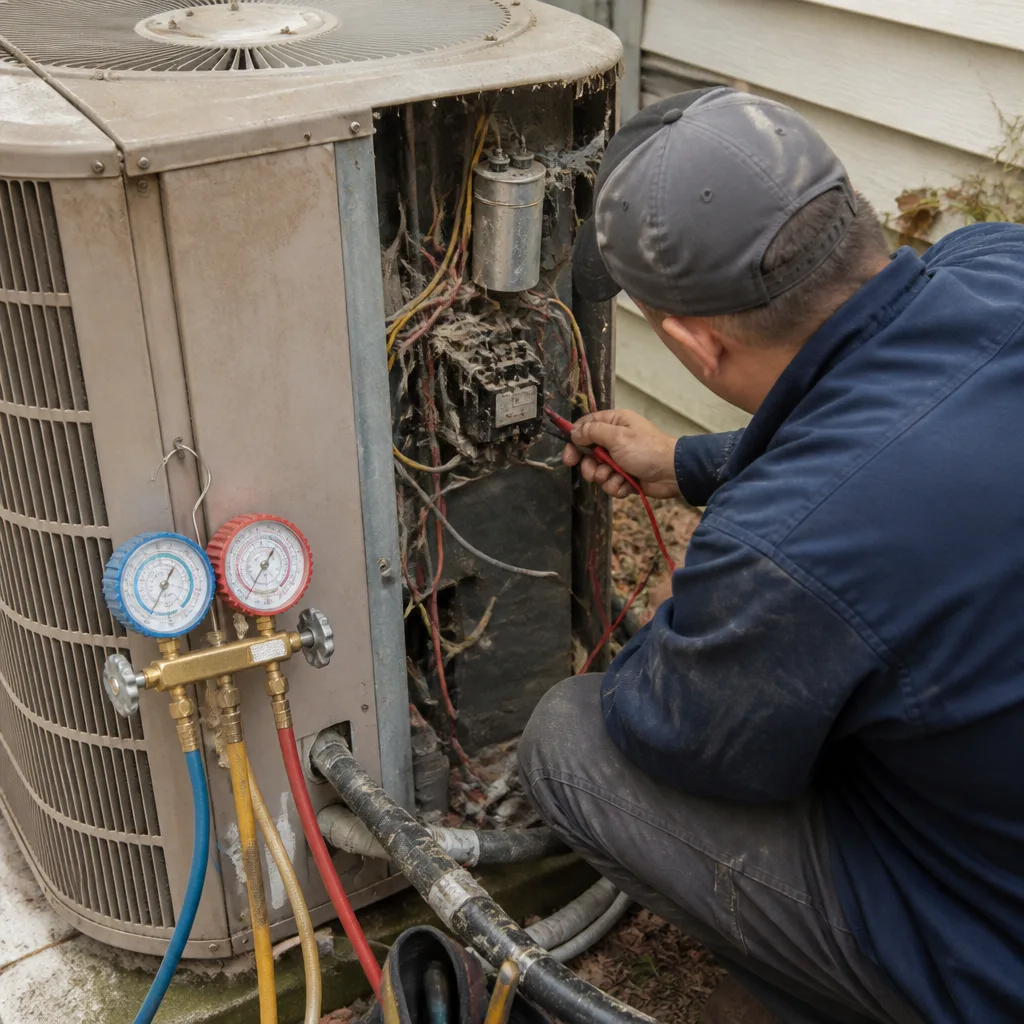 Before
 After
After Before
 After
After Before
 After
After