
Last updated October 16, 2026
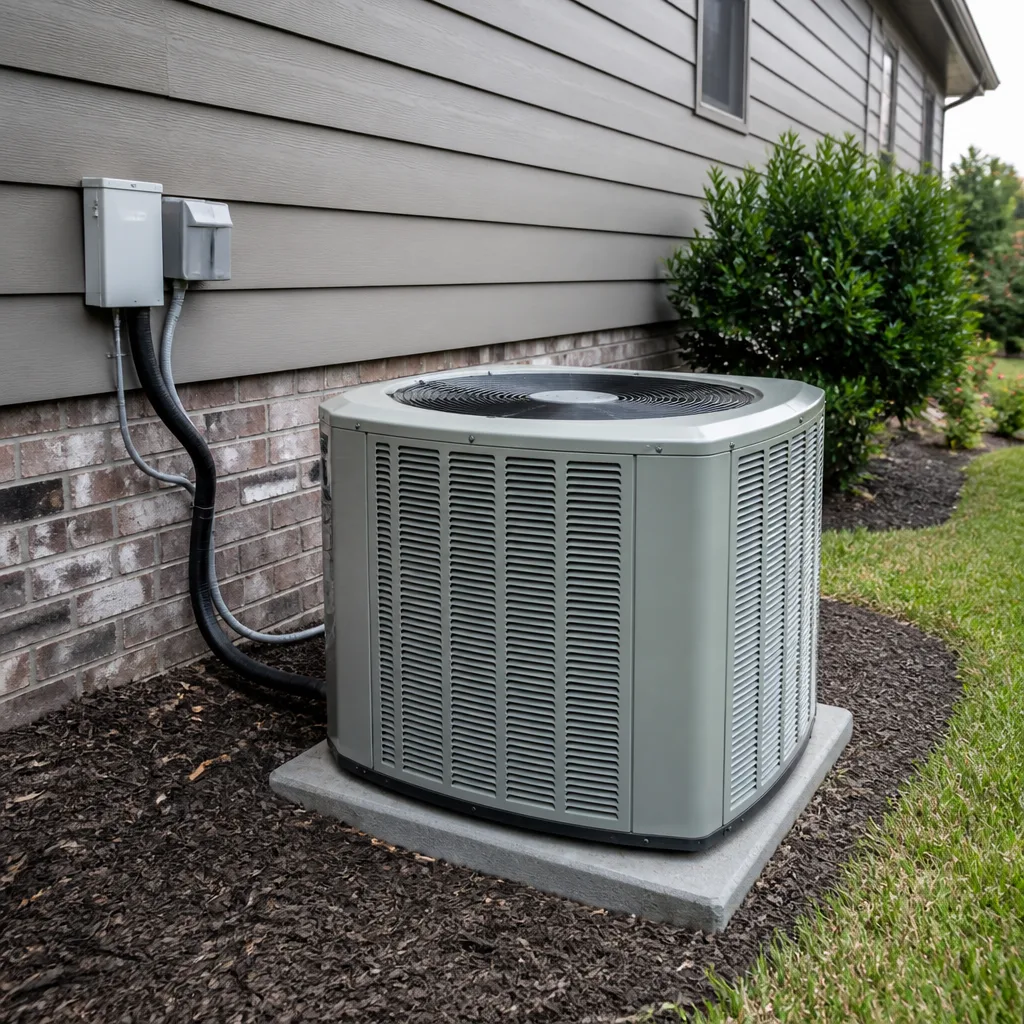 AC repair
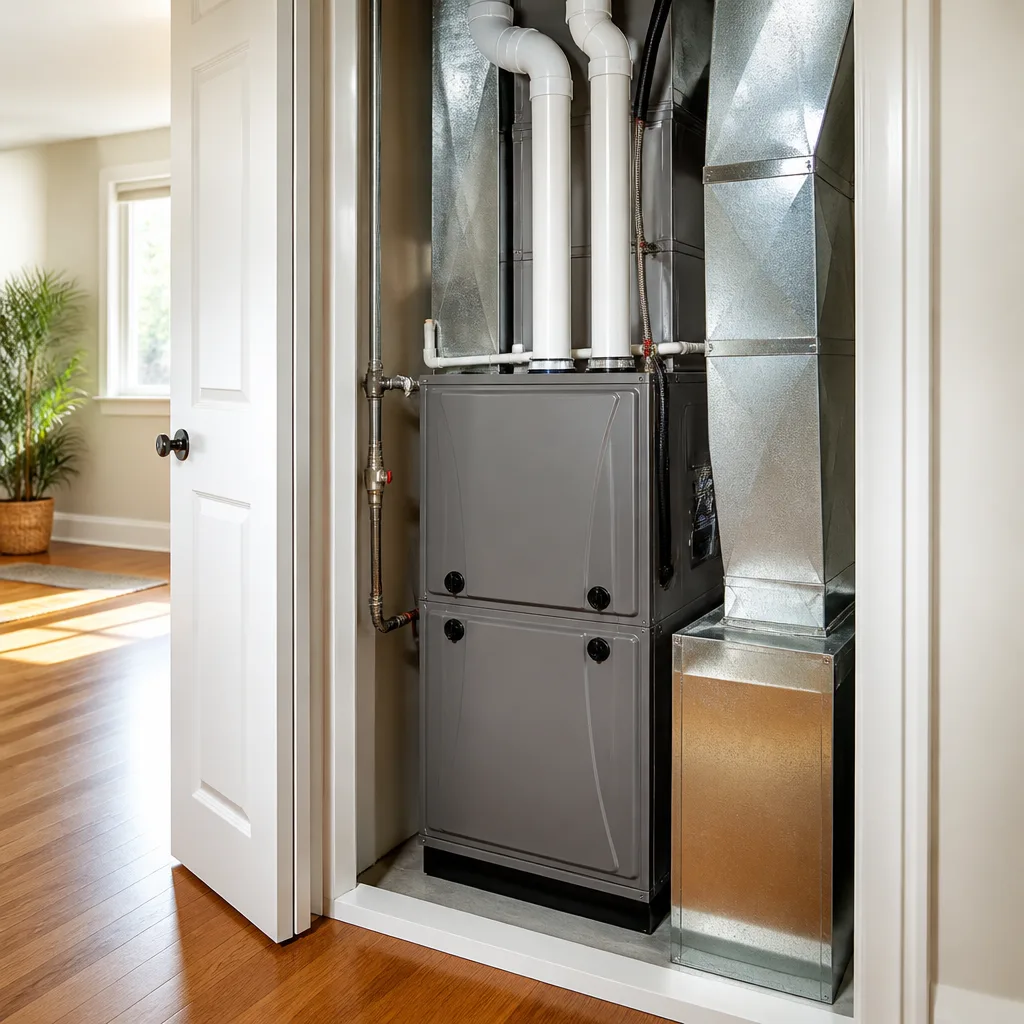 Furnace & heating
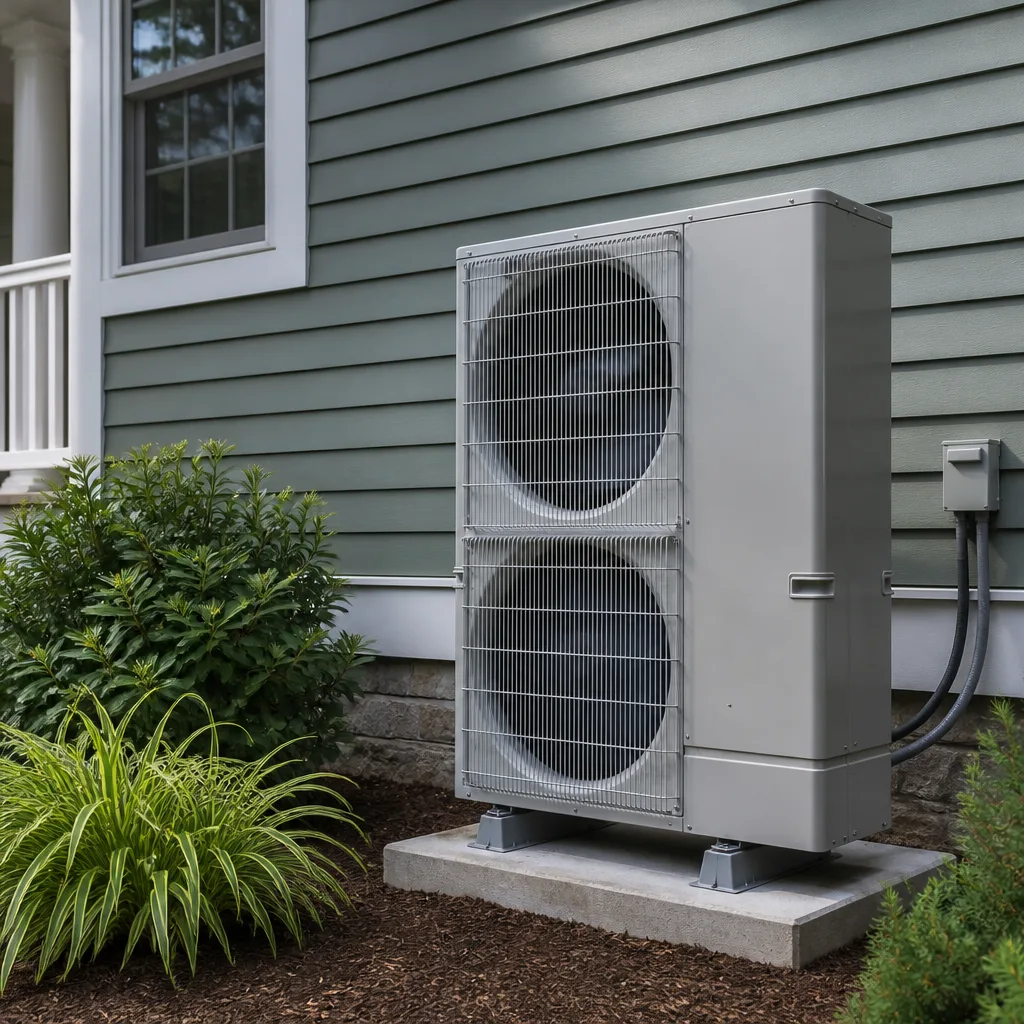 Heat pumps
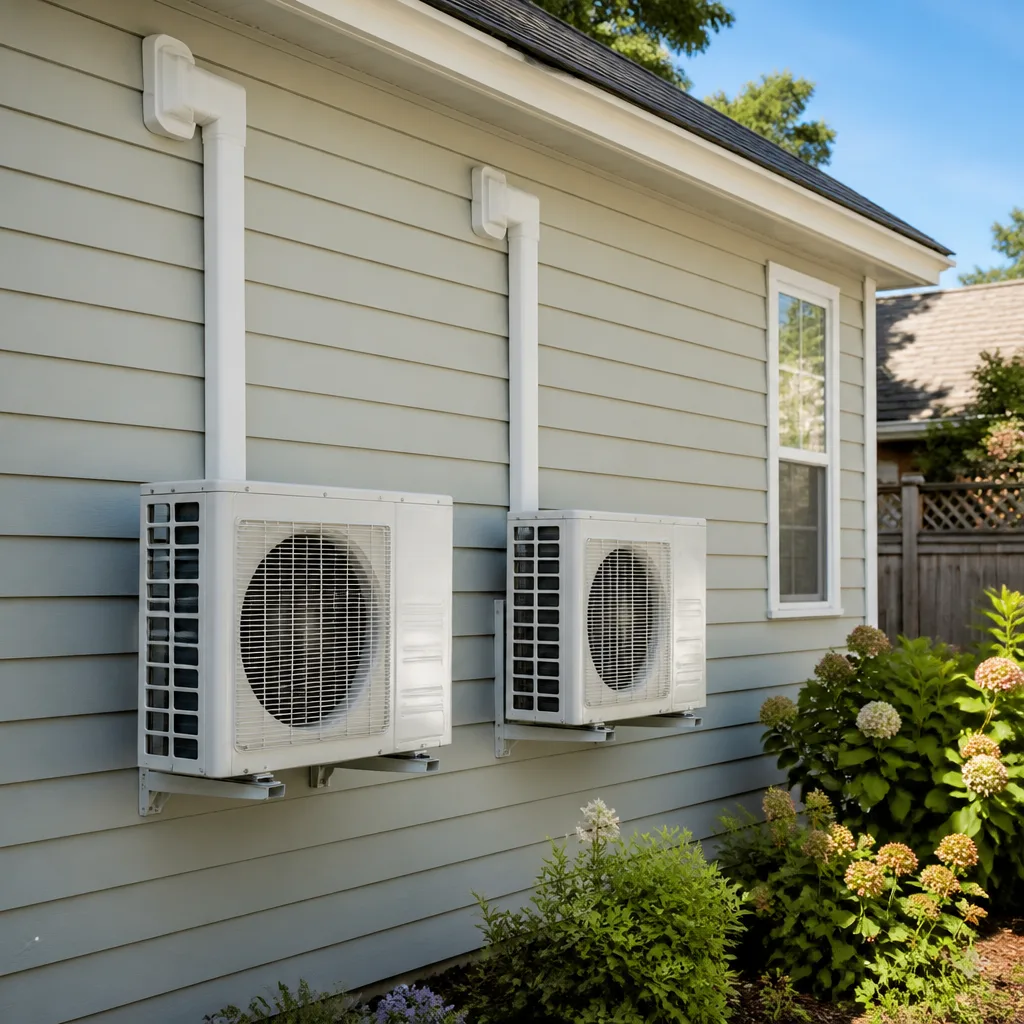 Ductless mini splits
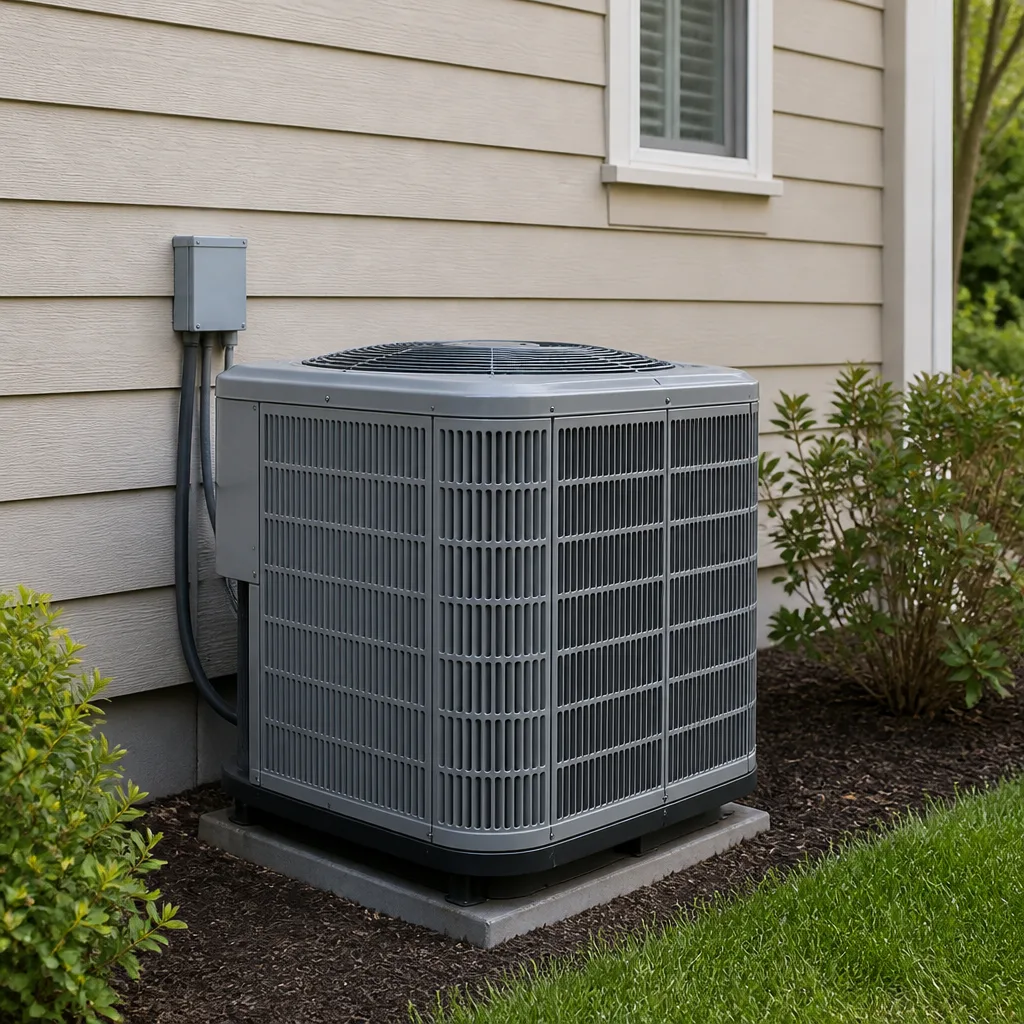 Carrier
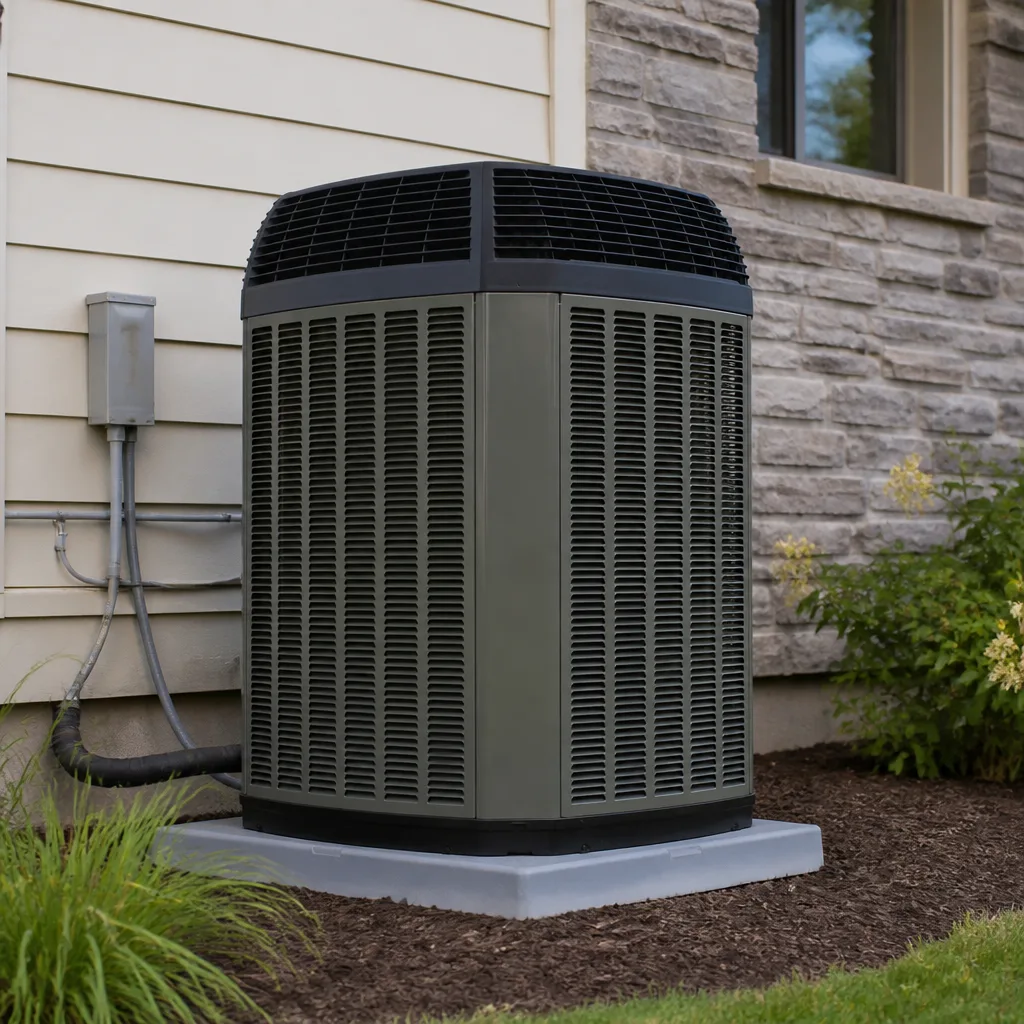 Trane
Trane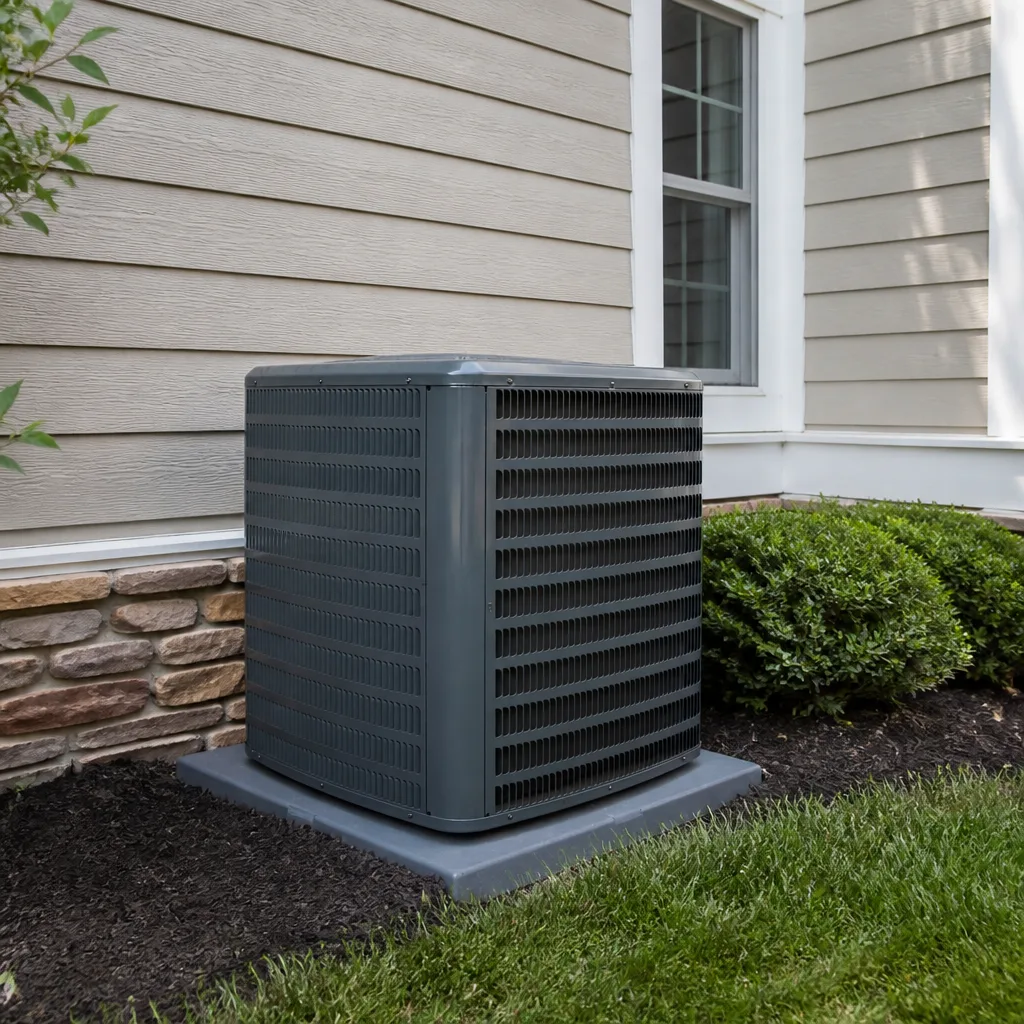 Goodman
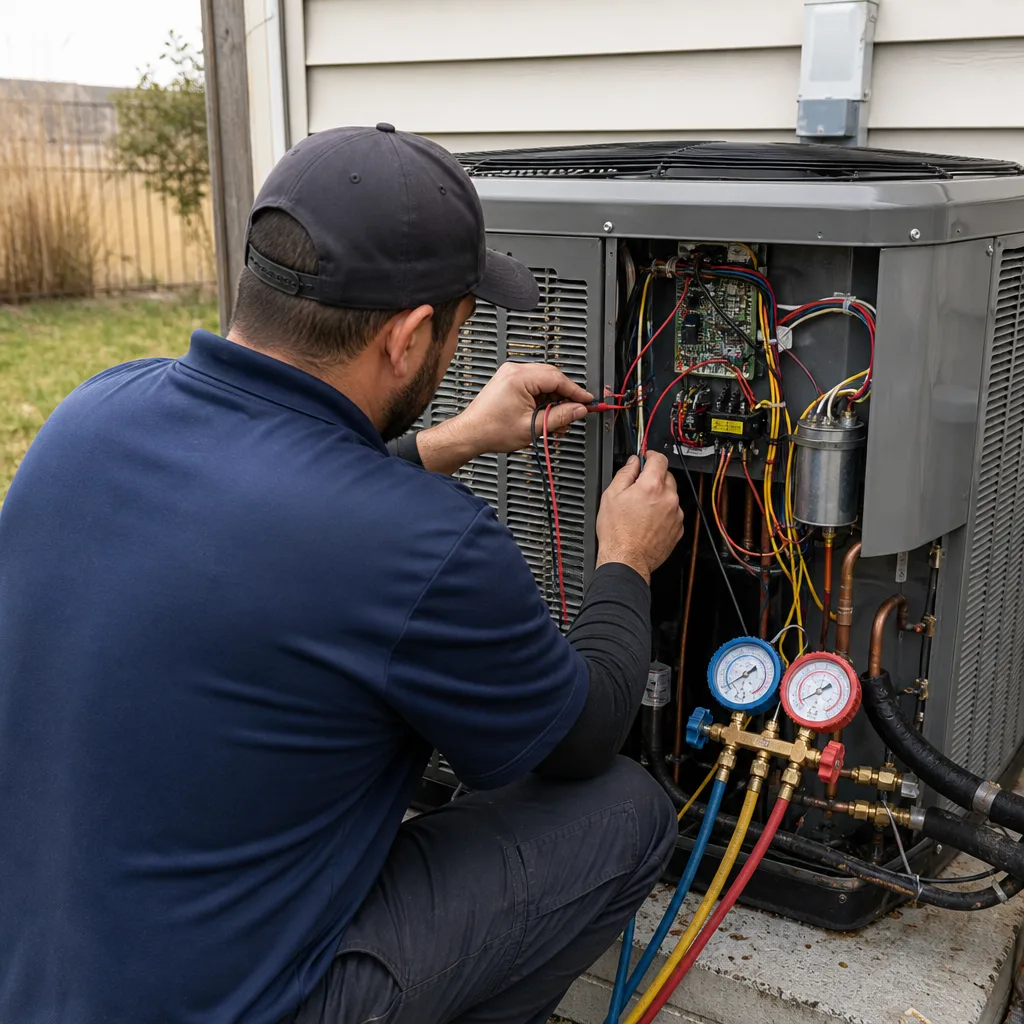
Seasonal tune-up and full diagnostic on your Carrier, Trane, or Goodman system - readings shown to you before any repair is proposed
Diagnosis first, numbers second - you approve the repair price before a single part goes in.
Get your free estimateHVAC Warning Signs: A Austin Homeowner’s Reference Guide
Here’s a fact most Austin homeowners don’t learn until they’re standing in a hot house: the air conditioner that kept you comfortable five summers ago may not be the right tool for this summer. Austin’s peak temperatures have climbed, but the cooling equipment in many homes hasn’t. Between shifting clay soil, hard water, and longer run cycles, Austin throws specific stressors at HVAC systems that a guide written for Dallas or Houston simply won’t address. This reference guide-part of our broader Complete Guide to HVAC in Austin-separates the universal warning signs from the ones that are uniquely Austin, so you can catch problems before they become 8 p.m. breakdowns in July.
Styles & brands we work with
Quick Answer
The most serious HVAC warning signs for Austin homeowners are short-cycling that gets worse as the day heats up, indoor humidity sitting above 55%, hissing or bubbling sounds from the indoor coil during cooling calls, and electric bills that spike against your own historical usage rather than absolute temperature. Some of these point to refrigerant or mechanical faults. Others point to an undersized system, failing ductwork in the attic, or scaled secondary heat exchangers caused by Austin’s hard water. If your system is showing symptoms you can hear, smell, or see on your bill, call (361) 326-1553 for an inspection before the next heat wave.
Table of Contents
- The Sounds That Signal Trouble in Austin
- What High Indoor Humidity Actually Means
- Short-Cycling: Refrigerant Problem or Undersized System?
- Your Electric Bill Is a Diagnostic Tool
- Ductwork Failure in Austin’s Attic Heat
- Universal Red Flags That Never Change
- Common Mistakes to Avoid
- When to Call a Professional
- Frequently Asked Questions
- The Bottom Line
The Sounds That Signal Trouble in Austin
Every HVAC system makes some noise. A soft whoosh when the blower kicks on, a low hum from the condenser outside, a gentle click when the thermostat cycles. Those are normal. But some sounds are not just annoying, they’re diagnostic. And in Austin, one particular category of sound shows up more often than in most other markets because of the water chemistry.
First, the sounds that should send you to the phone rather than to a search engine. A metallic shriek or screech from the outdoor unit usually means a failing blower motor or compressor bearings. A loud banging when the system starts points to a loose or broken internal component. A deep rumbling from the furnace in winter can mean delayed ignition, which is a safety concern that needs immediate attention. None of these are subtle. If you hear them, shut the system down and call for AC Repair in Austin or furnace service right away.
Now the Austin-specific sound. If you hear a hissing, bubbling, or percolating noise coming from the indoor unit while the air conditioner is running, pay close attention. In many cities, that sound points to a refrigerant leak or air in the lines. In Austin, we regularly find a different root cause: mineral scale on the secondary heat exchanger or evaporator coil, driven by hard water vapor and condensation chemistry. Austin’s water carries high dissolved mineral content, and over years of condensation cycles, those minerals deposit on coil surfaces. When refrigerant passes through a partially scaled coil, it doesn’t evaporate cleanly, and the result is a bubbling sound that homeowners often describe as a coffee pot percolating behind the wall.
The distinction matters because the fix is different. A refrigerant leak means finding the leak, repairing it, and recharging the system. A scaled coil means an acid-based coil cleaning or, in advanced cases, replacement. A trained technician who works daily in Austin recognizes the difference quickly. A homeowner can’t, and shouldn’t try, because opening the coil cabinet without training risks refrigerant exposure and electrical shock.
What High Indoor Humidity Actually Means
If your Austin home sits above 55% relative humidity while the AC is running, that is not just uncomfortable. It’s a diagnostic signal. Most health and building science organizations recommend keeping indoor humidity between 30% and 50%. Above 55%, you’re in the zone where dust mites thrive and mold becomes a live risk. But the cause of that humidity tells you where the problem lives.
Many homeowners assume high humidity means the air conditioner is low on refrigerant. That’s sometimes true, but it’s not the first thing we check on a service call in Austin. The more common culprits in this market are a dirty or partially blocked evaporator coil, and air leakage in the duct system, especially in the attic.
Here’s the reasoning. An evaporator coil pulls moisture out of the air when it’s cold enough for water vapor to condense on its surface. If the coil is coated with dust, pet hair, or the kind of fine clay dust that blows through Austin during dry windy stretches, it can’t condense moisture efficiently. The air comes out cool but clammy. The coil is doing half its job.
Attic duct leakage causes the other half of the problem. When return ducts pull air through cracks and gaps in a hot Austin attic, that air is warm and often humid. The system then has to cool and dehumidify air it never should have inhaled. Supply duct leaks do the opposite, dumping conditioned air into the attic and creating negative pressure inside the house, which pulls humid outdoor air in through doors, windows, and wall penetrations. Either way, the homeowner sees 60% or 65% indoor humidity on a $30 hygrometer and assumes the AC is dying. Sometimes the AC is fine and the ductwork is the failure.
Regular coil cleaning and a duct leakage test separate these possibilities. That’s part of what we cover in AC Maintenance in Austin, and it’s the fastest way to know whether you have a refrigerant problem, a coil condition problem, or a duct problem.
Short-Cycling: Refrigerant Problem or Undersized System?
Short-cycling means the air conditioner turns on, runs for a few minutes, shuts off, and repeats the cycle far more often than it should. It’s a common complaint in Austin from May through September. The standard diagnosis on most HVAC websites is a refrigerant leak or an oversized system. Both are real. But there’s a third possibility that shows up with particular force in Austin’s current climate reality, and it changes the recommended repair entirely.
An undersized system short-cycles differently than a system with a mechanical fault. When the system is low on refrigerant, it runs and runs but can’t reach the temperature setpoint, so the homeowner usually notices long runtimes, not short ones, unless the system is also freezing up. When a system is oversized, it blasts cold air, satisfies the thermostat in minutes, and shuts off before it has time to dehumidify. That’s classic short-cycling, and it’s common in homes where a previous owner or flipper installed a unit one size too large.
But the Austin version works like this. Many homes in Austin were spec’d with cooling equipment designed for a design temperature of 95°F or 96°F. That used to be a reasonable margin. Austin now regularly sees 105°F to 108°F stretches in July and August. On those days, a system that is correctly sized for the old design temperature can’t keep up. It runs until it hits a safety limit, shuts down, restarts, and repeats. Homeowners hear that cycling and assume the system is broken. In our experience, the system is often running exactly as designed, but the design no longer matches the climate.
Here’s how to tell the difference before you spend money on a repair you don’t need. On a moderate day in the mid-80s, does the system cycle normally? Does it hold the setpoint? Does it shut off for reasonable intervals? If yes, and the short-cycling only appears when outside temperatures pass 100°F, you may have a capacity problem rather than a mechanical failure. The solutions range from adding insulation and reducing solar gain to replacing the system with a properly sized unit for current Austin conditions, as detailed in our Seasonal HVAC Care for Austin: Year-Round Homeowner’s Guide. A load calculation using Manual J methodology, updated for Austin’s 2024 and 2025 peak temperature data, gives you a factual answer. Guessing gives you another hot summer and another expensive surprise.
Your Electric Bill Is a Diagnostic Tool
Most homeowners read an electric bill as a number to pay. We read it as a diagnostic instrument. Austin Energy publishes average kWh usage benchmarks by home size and household type, and those benchmarks give you a reference point that’s more useful than comparing this July to last July. A bill that jumps 20% or more against your own historical pattern, after accounting for weather, is telling you something about your equipment.
Here’s a step-by-step approach to reading your bill as a diagnostic tool, drawn from our AC Repair Maintenance Checklist for Austin Homeowners.
- Pull your last 12 months of bills. Most Austin Energy customers can download usage history from the online portal. You want 12 months, not 2, because HVAC load changes with the seasons and a 2-month snapshot will mislead you.
- Find your baseline. Calculate the average kWh for the same month across the previous two or three years, if available. Ignore the dollar amount entirely, because Austin Energy’s rates have changed over time and the dollar figure will confuse the signal.
- Adjust for cooling degree days. Austin Energy publishes monthly climate data. A July with 20% more cooling degree days than last July will naturally produce higher usage. But if cooling degree days rose 5% and your usage rose 30%, the difference is your equipment, not the weather.
- Compare against the published benchmark for your home size. A 1,800-square-foot home in Austin with a functioning, reasonably efficient system should fall within a predictable kWh range for summer months. If you’re 40% above that benchmark and haven’t added a pool heater or an electric vehicle, something is running inefficiently.
- Look at the overnight minimum. In a home where the AC is off at night or set up to 78°F, the overnight usage floor should be low and stable. A rising overnight floor often means the system is running when it shouldn’t be, or a stuck component is drawing power around the clock.
We see this pattern in Austin repeatedly: a system with a dirty condenser coil draws higher amps to reject the same heat, and the bill climbs 15% to 25% without any change in thermostat settings. That’s a maintenance issue with a clear fix. A bill spike combined with poor cooling points toward a deeper problem. Either way, the bill is the earliest warning sign most people have, and it’s free to read.
Ductwork Failure in Austin’s Attic Heat
In most of the United States, residential ductwork is installed in attics. But Austin’s attic environment is unusually punishing. Summer attic temperatures routinely exceed 140°F, sometimes touching 150°F or higher in unventilated or poorly ventilated spaces. That heat bakes the flex duct and duct sealing materials that carry conditioned air to your rooms. The degradation happens faster here than in Minnesota, Ohio, or even most of the Southeast.
Flex duct has a plastic vapor barrier on the outside and a thin, fragile inner liner on the inside. Over years of exposure to 140°F-plus attic air, the plastic becomes brittle and develops cracks and small tears. The inner liner sags and separates. The result is conditioned air leaking into the attic, where it does no one any good. Homeowners in Austin often report a specific experience: certain rooms never cool properly, even after the AC was serviced and the system checks out fine. That is usually a duct problem, not an equipment problem.
Watch for these duct-specific warning signs:
- Uneven room temperatures. One bedroom is 78°F while the hallway is 72°F with all doors open. The system is producing enough cold air, but the distribution is broken.
- A dusty house with the windows closed. Return ducts pulling attic air through cracks bring in fine dust and insulation fibers. You’ll see it on ceiling fans and in corners.
- A musty smell when the AC first kicks on. Condensation forming on damaged duct liners in a humid attic creates a damp environment that produces exactly that smell.
- Visible duct sagging or crushed sections. If you can safely see your attic ductwork, look for sections that droop more than a few inches between supports, or spots where boxes or stored items have crushed the flex duct flat.
Duct leakage also undermines any new system you install. A properly sized, high-efficiency air conditioner connected to leaking ducts still loses 25% to 40% of its output into the attic. Before spending on new equipment, we often recommend a duct leakage test, which measures exactly how much air is escaping. If the leakage is severe, sealing or replacing the ducts may do more for your comfort than replacing the system. If you suspect duct problems, a quick call to AC Repair in Austin can get you a straight answer rather than a guess.
Universal Red Flags That Never Change
Some warning signs are not local. They mean the same thing in Austin, in Dallas, in Phoenix, and in Minneapolis. The difference is that in Austin’s climate, these warnings arrive at the worst possible time, because the system has been running harder and longer than it would in most other parts of the country.
Warm air blowing from the vents. If the thermostat is set to cool and the air from your vents is warm, or only slightly cool, you have a problem. It could be a failed compressor, a refrigerant leak, or a broken reversing valve on a heat pump. None of these resolve on their own.
Ice on the refrigerant lines. If you see frost or ice on the copper lines going into the indoor coil, or on the coil itself, shut the system down. Ice on a coil is a symptom of restricted airflow, a refrigerant charge problem, or a dirty filter pushed far past its service life. Running the system frozen can destroy the compressor.
Burning or acrid smells. In summer, a burning smell from an AC that has sat unused is often just dust burning off the heat strips or coil. In winter, a burning smell from a furnace is different and more serious. If the smell persists more than a few minutes, or you see smoke, turn the system off and call immediately.
Constant running without reaching the setpoint. If the system runs from afternoon to midnight and the thermostat never drops to your setpoint, the system is not meeting the house’s load. In Austin, this often appears when outside temperatures cross the 100°F mark, and it may point to an undersized system, a failing compressor, or a serious refrigerant leak. The evaluation is the same: measure temperatures, measure pressures, and measure airflow. Guessing from the couch does not work.
Water pooling around the indoor unit. The evaporator coil produces condensation as it cools, and that condensation drains through a pipe. When the drain line clogs with the kind of biological growth that loves warm, damp environments, the water backs up and spills onto the floor. In Austin’s humidity, this happens often. The fix is usually simple and quick: clear the drain line, clean the drain pan, and add a maintenance plan so it doesn’t happen again.
None of these warning signs require a DIY response. In fact, several of them involve high-voltage electrical components and pressurized refrigerant, both of which are genuinely dangerous for an untrained person to handle. The safest response is to shut the system down, verify the symptom, and call a professional who can actually diagnose it. Brandt HVAC Co Austin has been taking these calls in Austin since 2003, and our standard practice is a written price before any work begins. If you’d like to know more about how we do things, our Brandt HVAC Co Austin home page explains the process.
Common Mistakes to Avoid
- Ignoring high humidity because the temperature feels okay. A cool house with 65% relative humidity is still a mold risk. Temperature is only half the comfort equation in Austin.
- Chasing a refrigerant leak by topping off the system every summer. If a system loses refrigerant more than once, there’s a leak, and leaking refrigerant into the atmosphere is both expensive and illegal. Find the leak and fix it, or replace the system.
- Closing vents in unused rooms to save money. Your system was designed for a specific airflow. Closing vents throws off static pressure and can freeze the coil or damage the blower motor.
- Putting off duct inspection because “the AC was just serviced.” Equipment service and duct performance are two different things. A clean, charged system with leaking ducts still wastes a third of its output.
- Assuming a newer system won’t have problems. Age is a factor, but Austin’s heat load and hard water can stress young systems too. A four-year-old system with a scaled coil performs worse than a ten-year-old system that was maintained correctly.
- Diagnosing by internet forum consensus. Every house is different. Airflow, insulation, duct condition, window orientation, and thermostat placement all change the diagnosis. A forum can give you ideas, not an answer.
- Waiting until the first 105°F week to schedule a tune-up. Every Austin HVAC company is buried in calls during heat waves. A spring or fall tune-up catches scale buildup and worn capacitors before they become emergency calls in August.
When to Call a Professional
Some problems announce themselves politely. Others demand immediate action. Call a professional the same day if you hear a buzzing sound from the breaker panel when the AC runs, if you smell burning from the furnace during winter, if the outdoor unit is icing over in July, or if water is pooling around the indoor unit and spreading toward walls or flooring. These are failure events, not maintenance items.
Call within a few days if you notice a steady climb in indoor humidity, if certain rooms are consistently 5 or more degrees warmer than the rest of the house, if your electric bill rose sharply without a clear weather explanation, or if the system is cycling on and off far more often than it did last year. These are early warning signs that cost less to fix now than they will if they fail on a 107°F afternoon in August. Brandt HVAC Co Austin offers free estimates in Austin – call (361) 326-1553 to schedule one. We’ll send a written price for any work, and no work starts until you’ve approved the number in writing. We handle Furnace Repair in Austin the same way.
Frequently Asked Questions
The most common HVAC problem we see in Austin is a dirty or scaled evaporator coil combined with a clogged or partially clogged drain line. Austin’s hard water and high humidity create exactly the conditions that cause mineral scale and biological growth. The good news is that these are also among the most preventable problems, which is why a spring or fall tune-up carries real value. Call (361) 326-1553 to schedule service.
When an Austin AC runs constantly but can’t reach the setpoint on a hot day, the usual causes are a system that’s undersized for current Austin peak temperatures, low refrigerant, a failing compressor, or severe duct leakage. A temperature-drop check, a refrigerant pressure test, and a duct leakage measurement separate those causes quickly. Guessing wrong means either paying for a repair that doesn’t fix the problem or replacing a system that could have been saved.
Duct leaks reveal themselves through uneven room temperatures, excessive dust, a musty smell when the AC starts, and often a surprisingly high electric bill despite normal system operation. An equipment problem shows up as poor cooling from every vent, ice on the refrigerant lines, or unusual sounds from the indoor or outdoor unit. Some homes have both, and the only way to know for sure is a duct leakage test followed by an equipment inspection.
It is common, but it is not a condition you have to accept. Many Austin homes were equipped with systems sized for a 95°F design temperature, and those systems will lose ground on extreme heat days. If your system only struggles when temperatures pass 100°F, and performs fine on moderate days, the issue is likely capacity rather than mechanical failure. The solutions range from home efficiency improvements to a properly sized replacement.
Diagnostic visit fees in Austin typically run from $75 to $150, though many companies, including Brandt HVAC Co Austin, offer free estimates for system replacements and sometimes for repair calls. Always ask what you’ll pay before the technician arrives, and insist on a written price before any actual work begins. Call (361) 326-1553 to ask about current diagnostic pricing in Austin.
Austin homes carry a mix of brands, with Carrier, Trane, Lennox, Goodman, Rheem, and York being the most common. We also regularly service Daikin, Bryant, and American Standard equipment. The brand matters less than the installation quality and the maintenance history. A well-installed Goodman will usually outperform a poorly installed Trane, so weight the installer’s standards more heavily than the badge on the cabinet.
The Bottom Line
Your Austin home’s HVAC system runs harder, in hotter conditions, with harder water and more attic heat than most systems in the country. The warning signs that matter are not exotic. They’re sounds that percolate instead of hum, bills that climb without a weather explanation, rooms that never balance, and humidity that won’t drop below 55%. The key is distinguishing the universal symptoms from the ones specific to Austin’s climate and water chemistry, because the fix for each is different. Read the signs early, act before the next heat wave, and if you’re ever unsure, call (361) 326-1553 for a straight answer and a written price. For more guides & resources, visit our blog. That’s how work gets done correctly in this city.
Written by Devin Marlowe, Owner at Brandt HVAC Co Austin, serving Austin since 2003.
See the difference
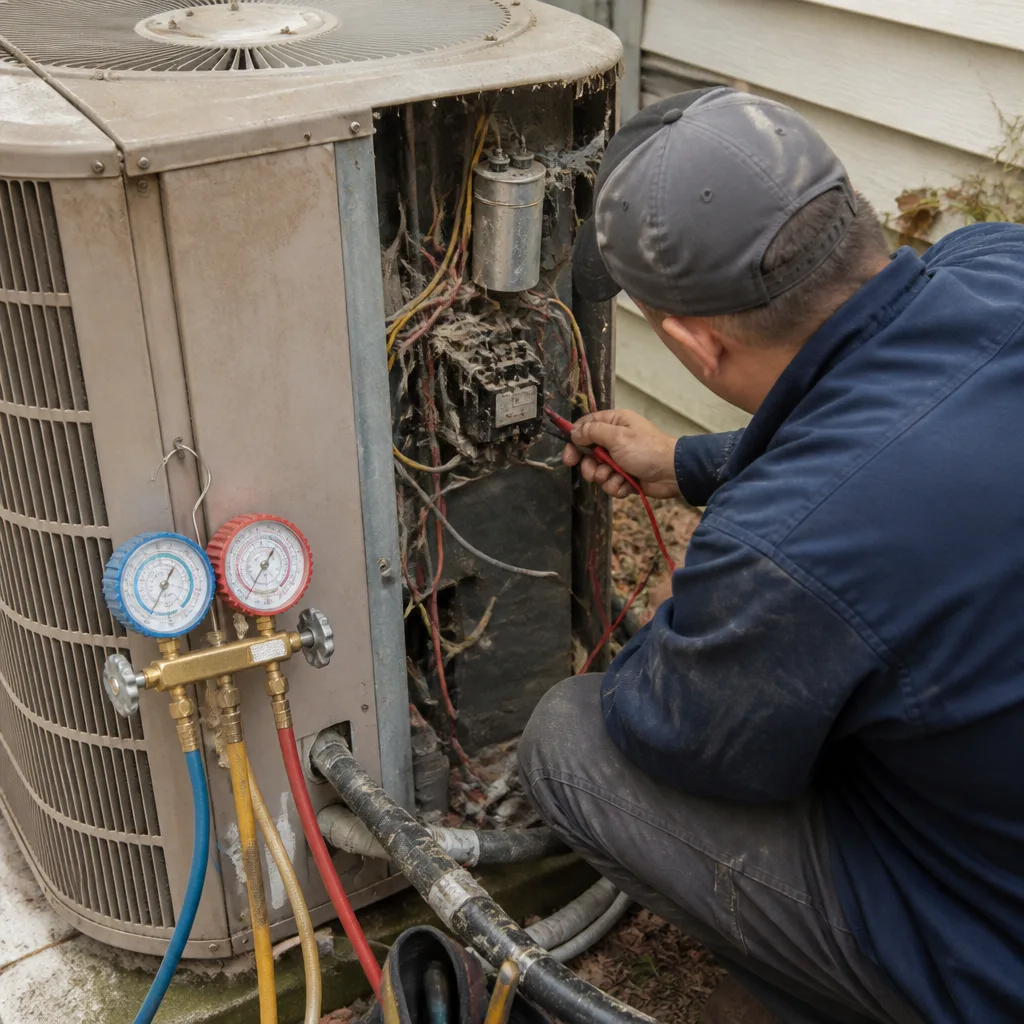 Before
 After
After Before
 After
After Before
 After
After