
Last updated October 16, 2026
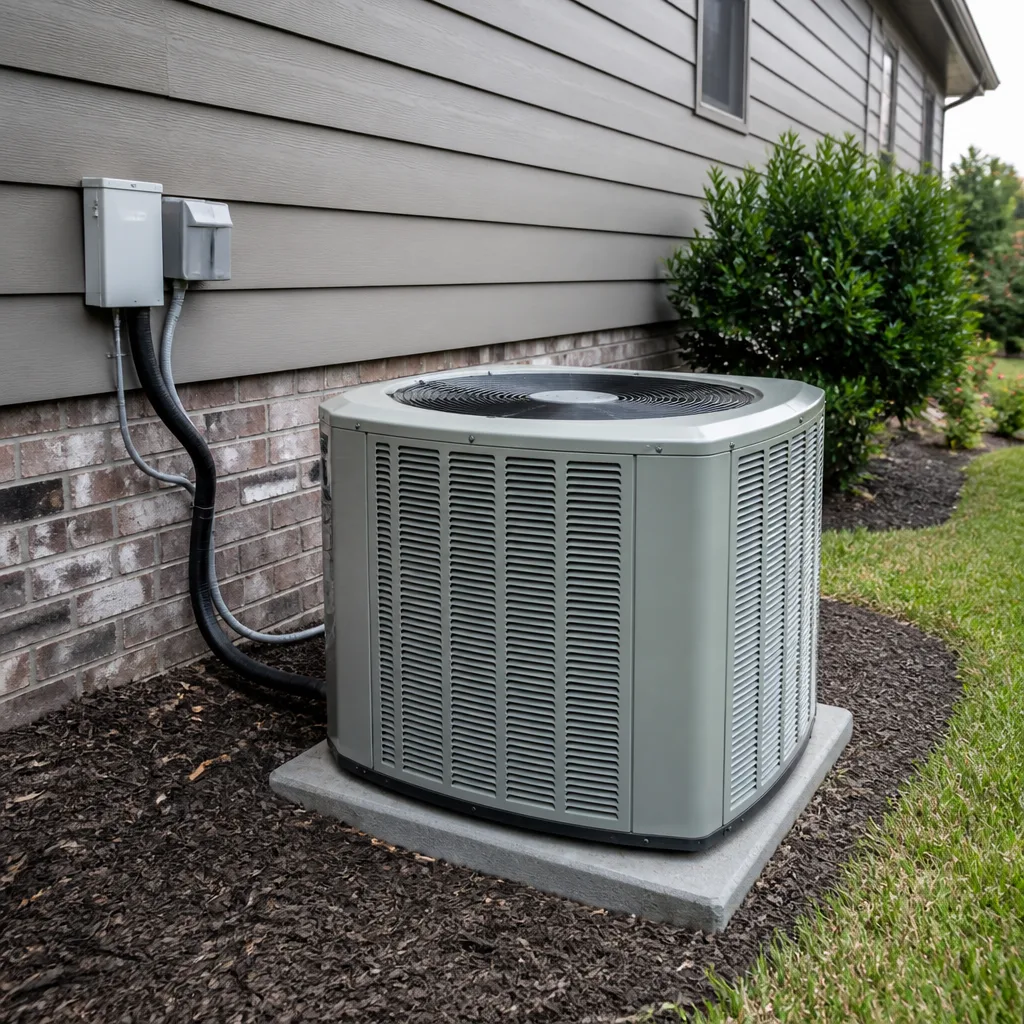 AC repair
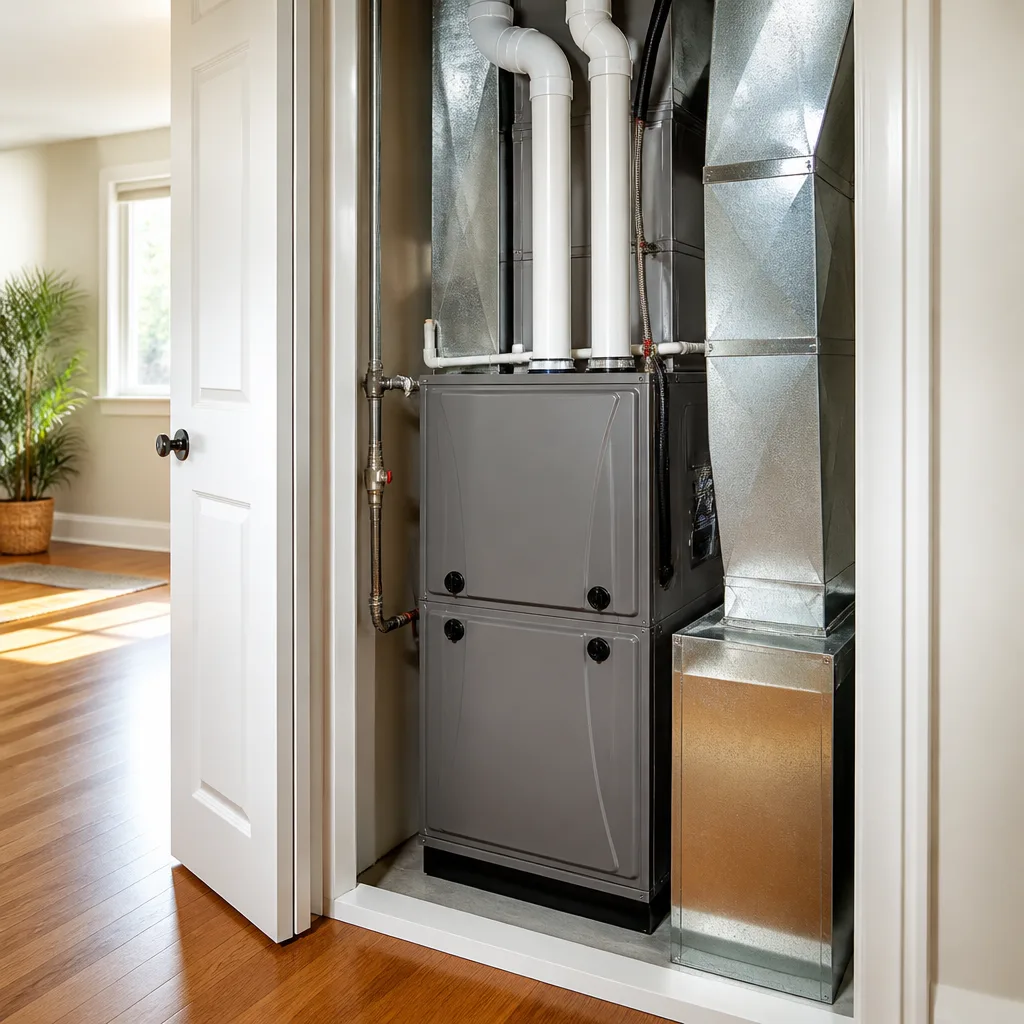 Furnace & heating
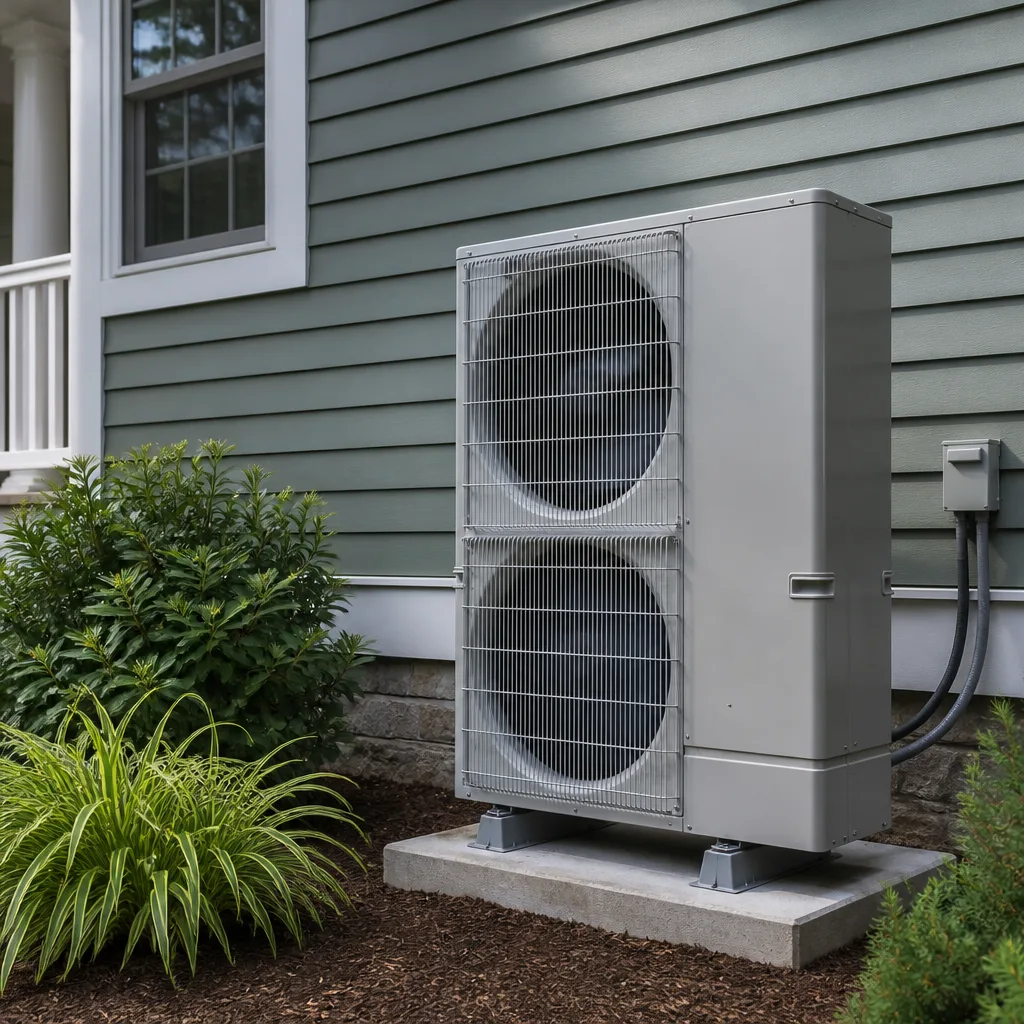 Heat pumps
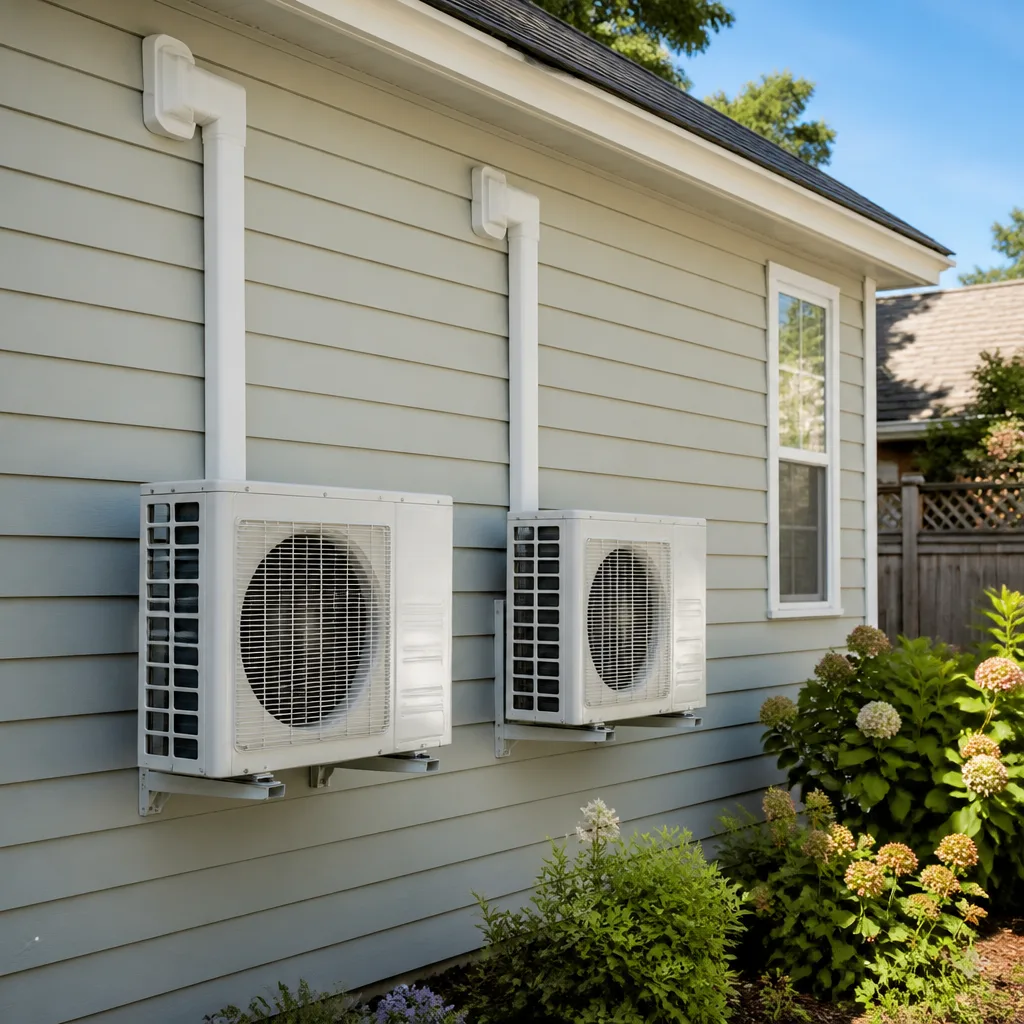 Ductless mini splits
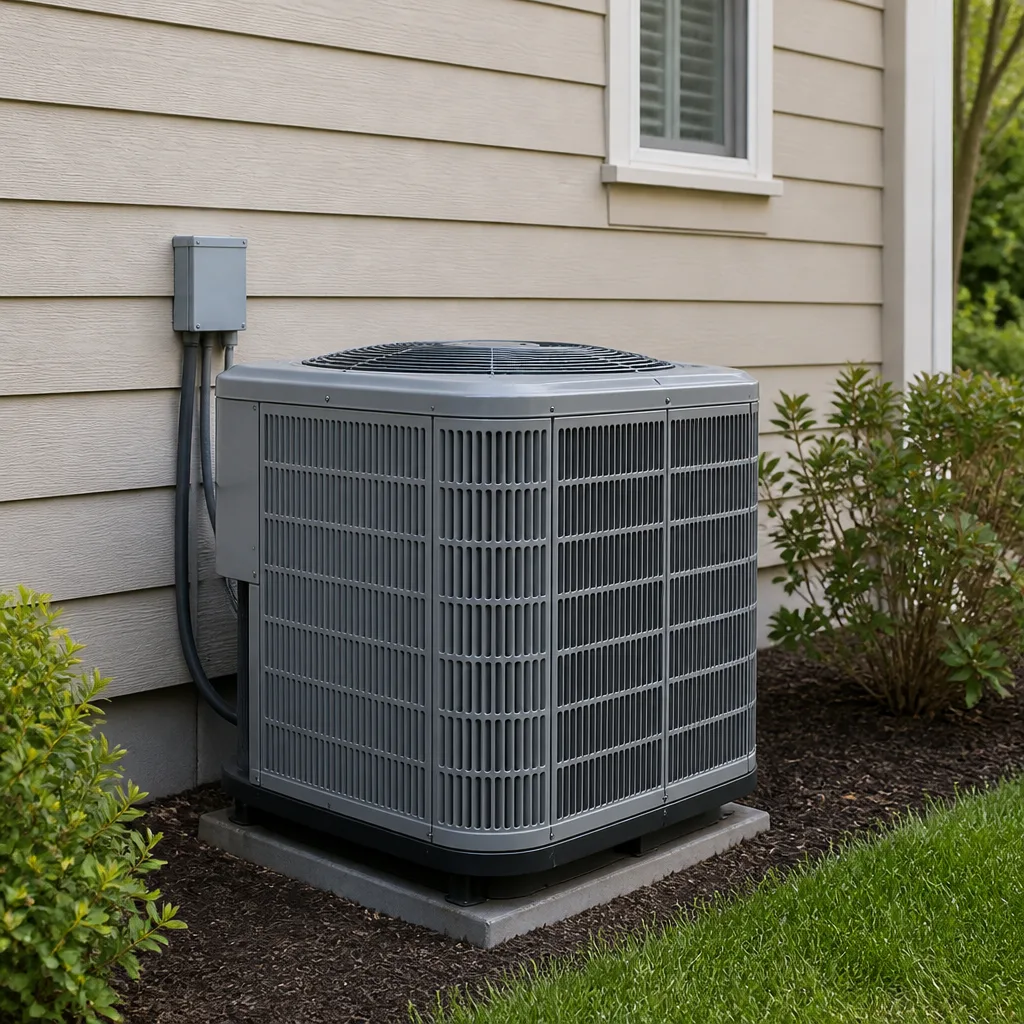 Carrier
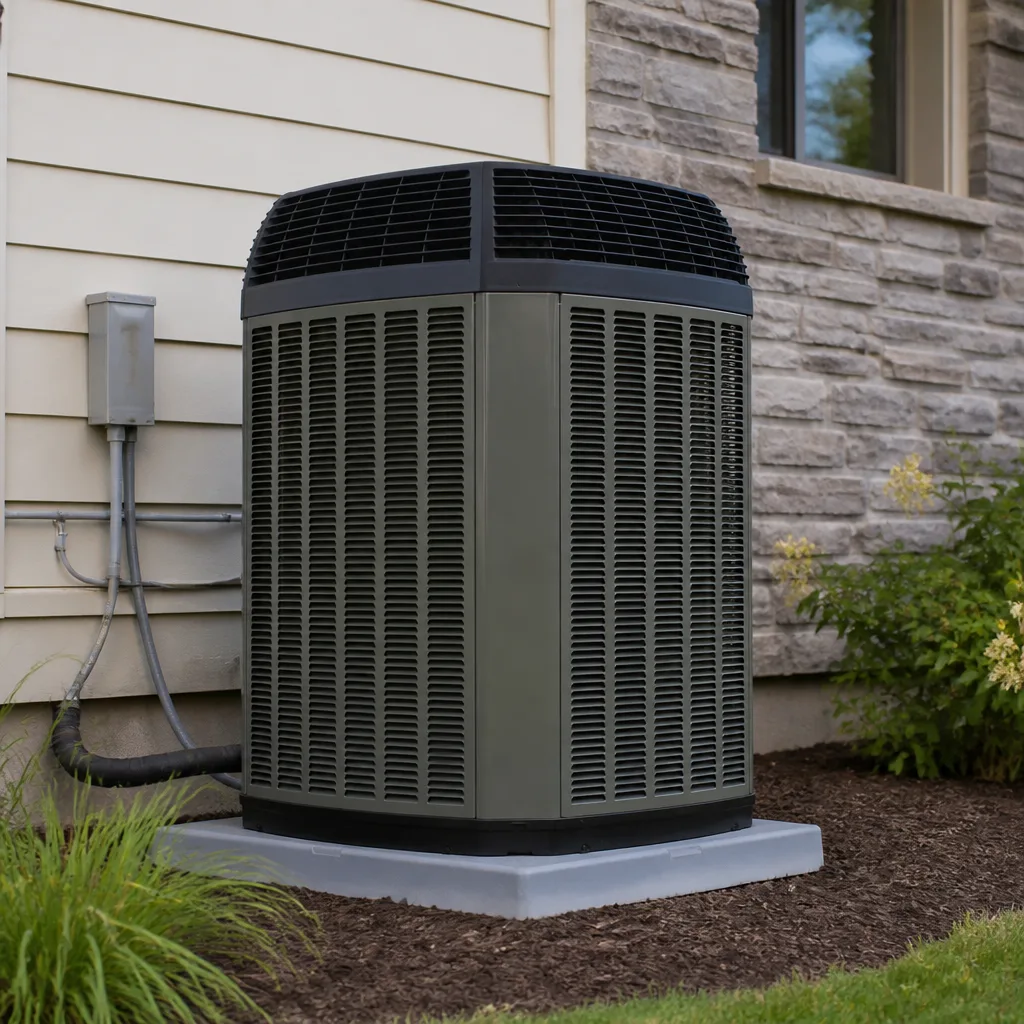 Trane
Trane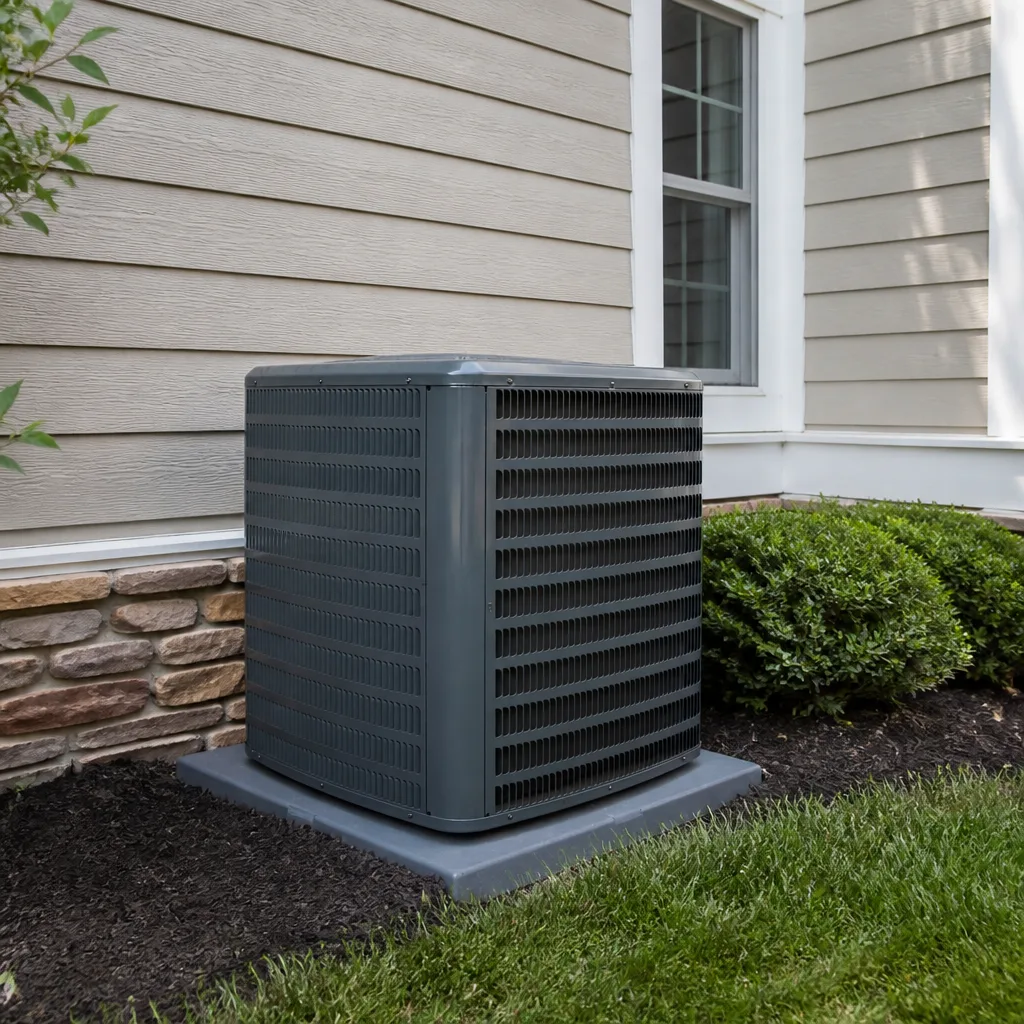 Goodman
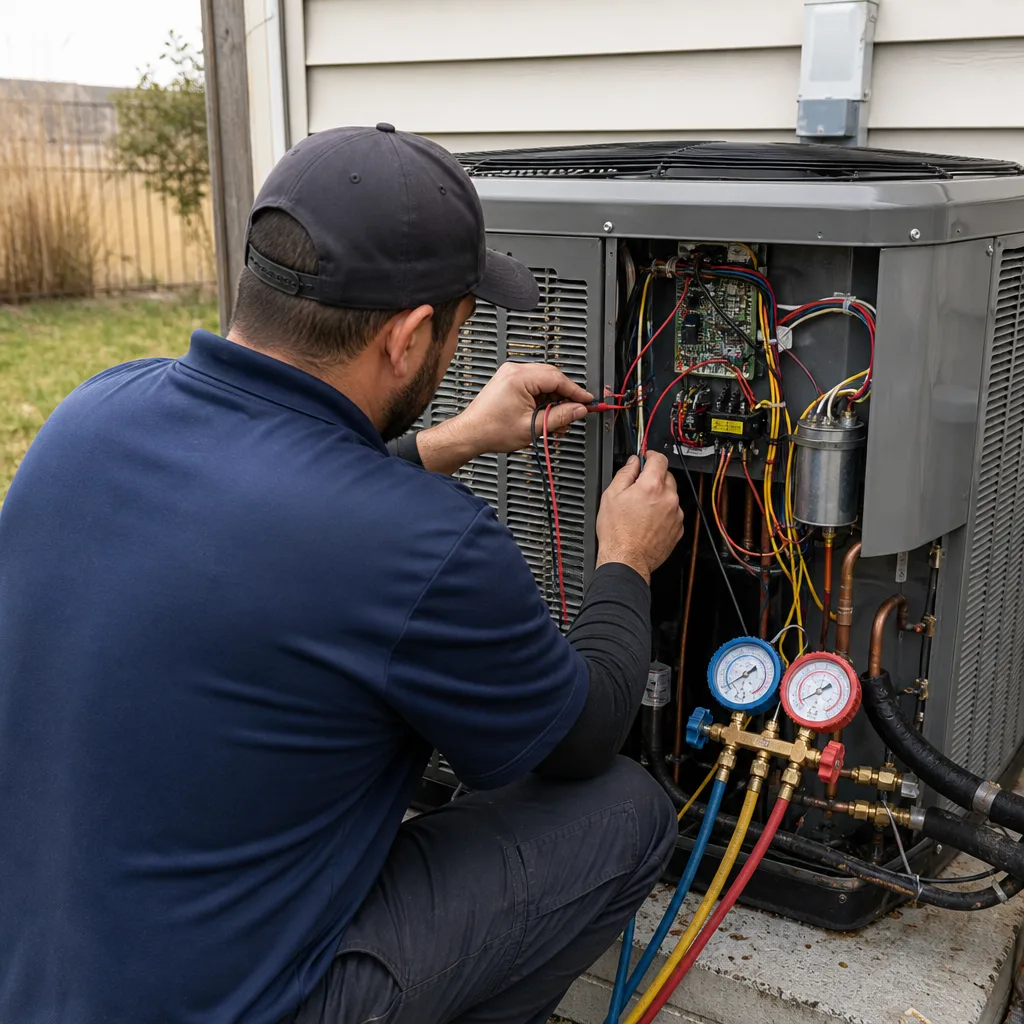
Seasonal tune-up and full diagnostic on your Carrier, Trane, or Goodman system - readings shown to you before any repair is proposed
Diagnosis first, numbers second - you approve the repair price before a single part goes in.
Get your free estimateSeasonal HVAC Care for Austin: Year-Round Homeowner’s Guide
Most seasonal HVAC advice assumes four seasons. Austin doesn’t have four seasons. We have a long, punishing summer that can stretch from May into October, two brief shoulder periods where your system shifts between heating and cooling in the same week, and a winter that alternates between mild afternoons and sudden hard freezes. Winter Storm Uri in February 2021 knocked out heat for hundreds of thousands of homes that had passed their fall tune-up just weeks earlier. The standard checklist never tested their systems at genuine below-freezing demand. This guide is built for how Austin’s weather actually behaves, not a generic seasonal template. For broader context, see our Complete Guide to HVAC in Austin.
Styles & brands we work with
Quick Answer
Seasonal HVAC care in Austin means preparing for extremes, not following a four-equal-quarters maintenance model. The most important tasks are a pre-summer AC check in March and April, a dual-mode shoulder-season check in October, and a post-freeze inspection after any ice event. A professional tune-up twice a year, plus monthly filter changes during peak cooling and heating months, keeps your system running efficiently and prevents most emergency repairs. For a detailed task list, see our AC Repair Maintenance Checklist for Austin Homeowners.
Table of Contents
- Understanding Austin’s Real Seasonal Pattern
- The Pre-Summer Checklist: March Through April
- October Shoulder Season: When You Need Both Heat and AC in One Week
- Winterizing a Heat Pump in Austin’s Climate
- Cedar Pollen Season: December Through February and Your HVAC System
- Post-Freeze Recovery: What to Inspect After an Austin Ice Event
- Common Mistakes to Avoid
- When to Call a Professional
- Frequently Asked Questions
- The Bottom Line
Understanding Austin’s Real Seasonal Pattern
Austin’s climate is defined by one number: 110. That’s how many days a year we typically see temperatures at or above 90°F. For your HVAC system, that means the cooling season is a marathon, not a sprint. Your AC unit isn’t just running occasionally for comfort. It runs for survival during June, July, August, and increasingly September.
The heating season, by contrast, is short but critical. Austin averages about 25 nights below freezing each winter, and those nights rarely arrive gradually. A typical Austin winter pattern is 70°F one afternoon and 28°F two days later. Your heating system has to be ready to perform at full demand on short notice, not gradually warmed up like systems in northern climates.
We’ve serviced systems in every part of Austin, from older homes in Hyde Park to newer construction in Mueller and Cedar Park. The homes that handle our climate best have one thing in common: their owners treat HVAC maintenance as a continuous process tied to the weather forecast, not a twice-yearly checkbox.
What this means for the homeowner is simple. You need a pre-summer AC check when temperatures start hitting 85°F consistently. You need a shoulder-season check in October when your system switches modes. And you need a post-freeze inspection after any ice event, even a minor one. Let’s walk through each of these in detail.
The Pre-Summer Checklist: March Through April
Most Austin homeowners schedule their AC tune-up in late spring. The problem is that by May, temperatures are already climbing and the best service windows fill up fast. March and early April are the sweet spot. The weather is mild, your system hasn’t started its heavy summer workload yet, and any issues found can be fixed before you actually need the cooling.
Here’s the pre-summer checklist we recommend for Austin homes:
- Refrigerant pressure check at real operating temperature. This is the item most “seasonal tune-ups” get wrong. Many shops test refrigerant pressure on a 70°F March morning and call it good. But your system needs to operate correctly at 95°F ambient, which is what it will face daily by June. A system slightly low on refrigerant may test fine on a cool day and fail when the mercury climbs. We test and adjust for the temperatures your system will actually experience in an Austin summer, not the temperature on the day of service.
- Capacitor testing and replacement. Capacitors are the most common summer failure point in Austin. Heat kills them. A capacitor that’s working at 70% capacity in April will likely fail entirely by July. Testing and replacing weak capacitors in spring prevents the classic “AC stopped working on the hottest day of the year” call.
- Condensate drain line clearing. Clogged drain lines are another Austin-specific plague. Our humidity, combined with high cooling loads, means your system produces gallons of condensate daily. A clogged line can cause water damage to your ceiling or walls. We clear the line and often recommend a safety switch or drain pan treatment if it’s been a recurring problem.
- Coil cleaning. Dirty evaporator and condenser coils reduce efficiency by 10-30%. In Austin, where your AC runs for months on end, that inefficiency adds up fast. We clean both coils and check for the fine dust buildup that our dry heat and construction activity create.
- Thermostat calibration and scheduling. A thermostat that’s off by 3-4 degrees means your system runs longer than it should. We calibrate yours and help you set a schedule that accounts for our summer rate structures. Austin Energy’s time-of-use rates mean running your AC smarter, not just harder.
For a full AC checkup, visit our AC Maintenance in Austin page. Most pre-summer tune-ups run $89 to $149 for the inspection and basic maintenance, with additional costs if repairs are needed. A capacitor replacement, for example, typically runs $150 to $300 parts and labor included.
October Shoulder Season: When You Need Both Heat and AC in One Week
Austin’s October is unlike anything in most of the country. The same week can bring a 92°F afternoon and a 62°F morning. Your system isn’t just running one mode. It’s cycling between cooling and heating within a 24-hour period. This dual-mode operation is uniquely hard on HVAC equipment, and most maintenance checklists written for other climates miss it entirely.
The October shoulder-season check should cover both sides of your system:
- Heat exchanger inspection. If you have a gas furnace, the heat exchanger should be inspected before your system’s first real heating cycle. Cracks and corrosion develop during the summer when the furnace sits idle in a hot, humid attic.
- Heat strip testing under load. Electric heat strips, common in Texas homes, should be tested to confirm they draw the correct amperage and produce proper heat output. A heat strip can fail quietly over the summer, and you won’t know it until the first cold night.
- Reversing valve operation for heat pumps. Heat pumps switch between heating and cooling via a reversing valve. October is the time to verify that valve is switching correctly, because a stuck valve means you have cooling only or heating only, and you need both.
- Filter replacement with dual-mode operation in mind. During shoulder season, your filter is catching both cooling-season debris and heating-season dust. Check it more frequently in October and November.
We’ve seen systems in Round Rock and Pflugerville that handled summer perfectly but failed on the first 40°F night because the heat side had been ignored since the previous winter. A shoulder-season check catches those problems while the weather is still mild enough to fix them without urgency.
Winterizing a Heat Pump in Austin’s Climate
Heat pumps are increasingly popular in Austin, and they work differently here than in northern climates. In colder regions, heat pumps run in heating mode for months at a time. In Austin, a heat pump may run in heating mode for a total of 40 or 50 hours per winter, spread across a dozen short cold snaps. That’s the challenge: the system has to work perfectly when called upon, even though it sits idle in cooling mode 95% of the year.
Here’s what heat pump winterization actually means in Austin:
- Defrost cycle verification. When a heat pump runs in cool, humid conditions, the outdoor coil can freeze. The system has a defrost cycle to handle this, but it only activates during heating operation. We test the defrost cycle during the shoulder-season check, because if it fails, your heat pump will ice over and stop working on the coldest night.
- Auxiliary heat strip testing. Heat pumps need backup heat when the outdoor temperature drops below about 35°F, because the heat pump alone can’t extract enough heat from the cold air. In Austin, that backup is usually electric heat strips. We test these at full load to confirm they’re drawing proper amperage and producing real heat. This is exactly the component that failed in many homes during Uri: the heat pump was working, but the heat strips had never been tested and couldn’t deliver backup heat when demand spiked.
- Refrigerant charge verification for cold operation. A heat pump’s refrigerant charge behaves differently in heating mode than cooling mode. The charge should be checked during the shoulder-season window when both modes are active and can be verified against manufacturer specifications.
- Outdoor unit clearance. Autumn leaves, grass clippings, and general debris can block airflow around the outdoor unit. For a heat pump, blocked airflow in heating mode is worse than in cooling mode, because the unit is already working harder to extract heat from cold air.
Heat pumps from manufacturers like Carrier, Bryant, and Daikin all follow the same physics, but each brand has specific defrost logic and auxiliary heat integration. Our technicians carry the diagnostic procedures for all major brands and can bring your system to manufacturer spec regardless of what’s on the label.
Cedar Pollen Season: December Through February and Your HVAC System
If you live in Austin, you know cedar fever. From December through February, mountain cedar releases massive clouds of pollen that turn the sky hazy and the population into sneezing, eye-watering misery. What most homeowners don’t realize is that this same pollen is wreaking havoc on their HVAC system.
Cedar pollen is uniquely problematic for HVAC equipment. The pollen grains are small enough to pass through many standard filters, but sticky enough to adhere to coil surfaces and fins. Over the course of a cedar season, a significant layer of pollen and dust can build up on your evaporator coil. This coating acts as insulation, reducing the coil’s ability to absorb heat and forcing your system to run longer to maintain the same temperature.
Here’s what cedar season means for your HVAC care:
- Change your filter more frequently. During cedar season, a standard 1-inch filter should be checked every 3-4 weeks, not the usual 90 days. If you use a higher-MERV filter, check it monthly and replace it more often than normal.
- Consider a higher-MERV filter during pollen season. A MERV 8 filter catches some pollen; a MERV 11 or 13 catches much more. The tradeoff is airflow restriction, so talk with a professional before upgrading. We can verify your system’s airflow tolerance and recommend the highest filtration your equipment can handle without damage.
- Clean the indoor coil after cedar season ends. Once the pollen count drops in late February, a professional coil cleaning can remove the accumulated layer and restore lost efficiency. This is a task for a trained technician, not a DIY project, because coil fins bend easily and refrigerant lines are nearby.
- Check the condensate drain. Cedar pollen in the air means cedar pollen in your condensate water. That organic material provides a perfect food source for the algae and bacteria that cause drain line clogs. A drain line that’s clear in October may be clogged by February.
In our experience, homes in heavily treed areas like West Lake Hills and Lost Creek see the worst cedar-related coil fouling, simply because the pollen concentration is higher near dense cedar stands. However, the entire Austin metro area experiences elevated pollen counts during these months, so every home benefits from extra attention.
Post-Freeze Recovery: What to Inspect After an Austin Ice Event
Uri wasn’t just a one-time outlier. Austin has experienced multiple ice events in recent years, and even a light freeze can damage HVAC equipment in ways that don’t show up immediately. After any freeze, whether it’s a hard ice storm or a few hours below 30°F, here’s what to inspect:
- Refrigerant lines for ice damage. Insulation on exterior refrigerant lines can crack during a freeze. That exposed copper is then vulnerable to corrosion and physical damage during the subsequent summer. We check for damaged insulation and replace it proactively.
- Drain pan and drain line for freeze-related blockages. Water in the drain line or pan can freeze, expand, and crack PVC components. A small crack may not leak immediately but will leak when the AC starts running heavily in the spring.
- Outdoor unit fan motor and bearings. Ice accumulation on the outdoor unit can unbalance the fan and damage motor bearings. We listen for unusual noise and check for smooth rotation.
- Electrical connections for moisture damage. Freeze-thaw cycles can create condensation inside electrical enclosures. Loose or corroded connections will fail eventually, and that failure will happen on the hottest day.
- Gas furnace venting for blockages. If you have a gas furnace, ice or debris can block the flue vent. A blocked vent is a safety hazard, so we inspect vent terminations carefully after any ice event.
Most of these items are visual or audible checks that a professional can complete in under an hour. If you experienced a hard freeze and didn’t have a post-freeze inspection, schedule one before the cooling season starts. The damage is cumulative, and catching it in March is far cheaper than dealing with a failed system in August.
Common Mistakes to Avoid
- Waiting until May to schedule your AC tune-up. Austin’s best service windows fill up by April. Schedule in March and you’ll get your choice of appointment times and avoid the May rush.
- Using a one-size-fits-all seasonal checklist. Austin isn’t Boston or Minneapolis. Our cooling season is three times longer than our heating season. Maintenance plans designed for four equal seasons leave gaps.
- Ignoring the heating system because “Austin winters are mild.” Uri proved that wrong. Austin’s winter may be short, but it can be brutal when it hits. A neglected furnace or heat pump fails exactly when you need it most.
- Changing the filter only twice a year. During Austin’s cedar season and summer peak, once a month is the right frequency. A dirty filter reduces efficiency and strains every component in the system.
- Skipping the post-freeze inspection. Freeze damage is often invisible and slow-moving. Small cracks and corrosion from an ice event can take months to cause a failure, and by then the repair is more expensive.
- Testing refrigerant on a cool day and calling it good. A system that’s marginally charged will pass on a 70°F day and struggle at 95°F. The pre-summer check should account for actual operating temperature, not test-day temperature.
- Assuming your thermostat is accurate. A thermostat that’s off by a few degrees means your system runs longer than needed. Calibration is a simple fix that pays off all summer.
When to Call a Professional
Some HVAC tasks are safely DIY: changing filters, clearing debris from around the outdoor unit, and checking that vents are open in the rooms you use. For help deciding what to tackle yourself, read our DIY vs Professional HVAC: The Austin Homeowner’s Decision Guide. But anything involving refrigerant, electrical components, gas connections, or the heat exchanger should be handled by a trained technician. These systems operate under pressure, contain flammable or high-voltage components, and mistakes can be dangerous or expensive.
Call a professional if you notice your system running constantly without reaching the set temperature, hear banging or grinding sounds, see ice forming on the outdoor unit in warm weather, smell gas or burning odors, or see water leaking around the indoor unit. Brandt HVAC Co Austin offers free estimates in Austin, and every job starts with a written price before any work begins. Call (361) 326-1553 to schedule.
Frequently Asked Questions
A standard tune-up in Austin typically costs $89 to $149, which covers the inspection, cleaning, and basic adjustments. If the technician finds a specific issue like a failing capacitor or low refrigerant, that repair is quoted separately with a written price before any work starts. Filter replacement and coil cleaning are usually included in the tune-up price. Call (361) 326-1553 for an exact quote.
Twice a year is the right cadence for Austin’s climate: once in March or April for the pre-summer cooling check, and once in October for the shoulder-season heating check. That schedule catches problems before each major season starts. If you have a heat pump, the October check is especially important because it verifies both heating and cooling functions.
Yes for repairs. If your AC stops cooling in the middle of a Texas summer or your heat fails on a cold night, call (361) 326-1553 and a live person will answer, 24 hours a day. We prioritize emergency calls and will give you a straightforward answer about when we can be there.
Switch to a higher-MERV filter if your system can handle it, change filters monthly during December through February, and schedule a coil cleaning after the pollen counts drop in late February or early March. These steps reduce the indoor air quality impact of cedar pollen and protect your system’s efficiency. Visit our AC Maintenance in Austin page for more details.
Yes. Austin’s heating hours may be few, but they’re critical. A furnace that’s been idle for eight months can develop problems quietly: cracked heat exchangers, seized blower motors, clogged burners. Winter Storm Uri showed that Austin’s cold snaps can be severe and prolonged. A furnace check in October costs far less than an emergency repair in January.
Signs of an undersized system include running constantly on hot days, failing to maintain your set temperature, and higher-than-expected electric bills. Signs of an oversized system include short cycling, uneven temperatures, and high humidity indoors. A professional load calculation is the only way to know for certain. If you’re considering replacement, our AC Repair in Austin services include honest guidance on whether your current unit is the right size.
The Bottom Line
Seasonal HVAC care in Austin means adapting to a climate that doesn’t follow the standard four-season playbook. The three critical windows are March-April for pre-summer AC prep, October for shoulder-season dual-mode checking, and the period after any ice event for freeze-damage inspection. Cedar pollen between December and February creates its own maintenance demands, and your heating system needs attention even though Austin winters are short. With twice-yearly professional checkups and monthly filter changes during peak seasons, you can expect reliable performance and lower energy costs. For more guides & resources, explore our blog, or if you’d like help planning your seasonal maintenance, call Brandt HVAC Co Austin at (361) 326-1553, and we’ll be glad to walk you through your options.
Written by Devin Marlowe, Owner at Brandt HVAC Co Austin, serving Austin since 2003.
See the difference
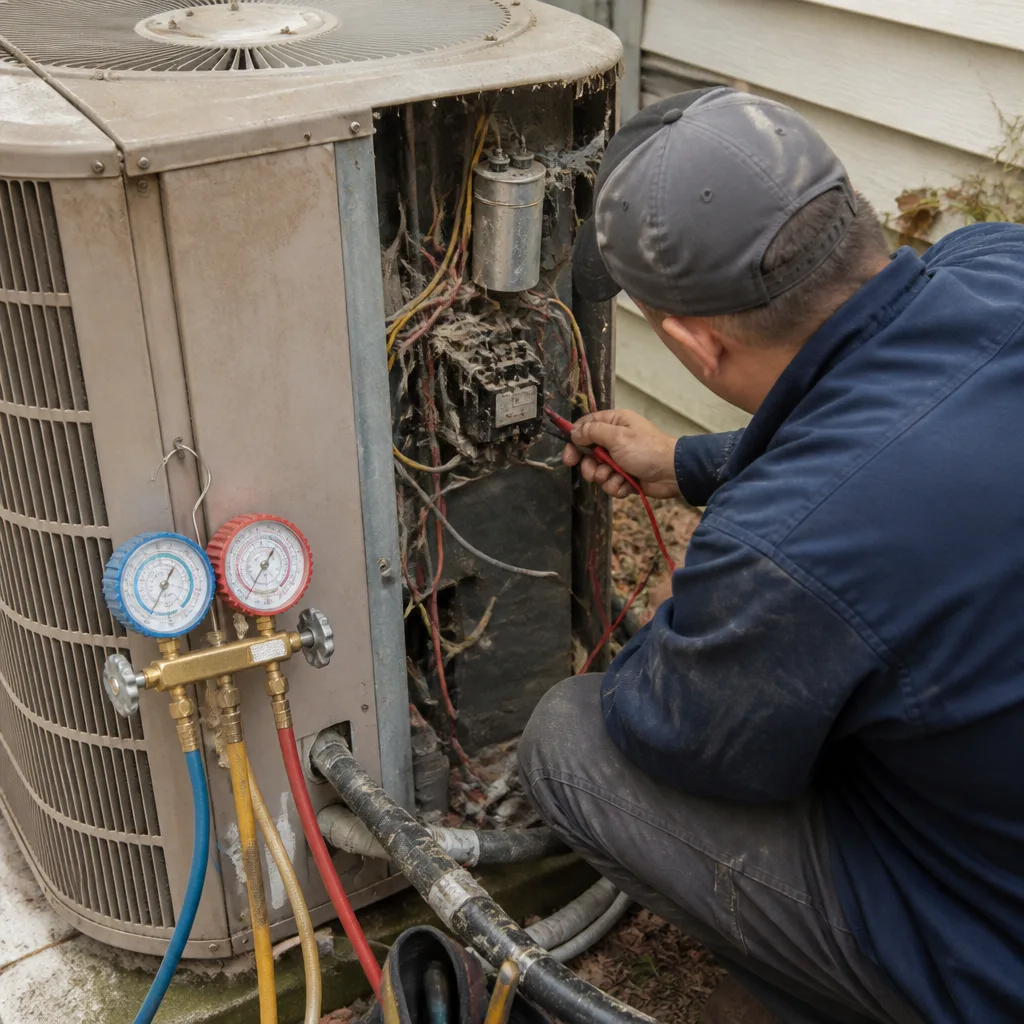 Before
 After
After Before
 After
After Before
 After
After