
Last updated October 16, 2026
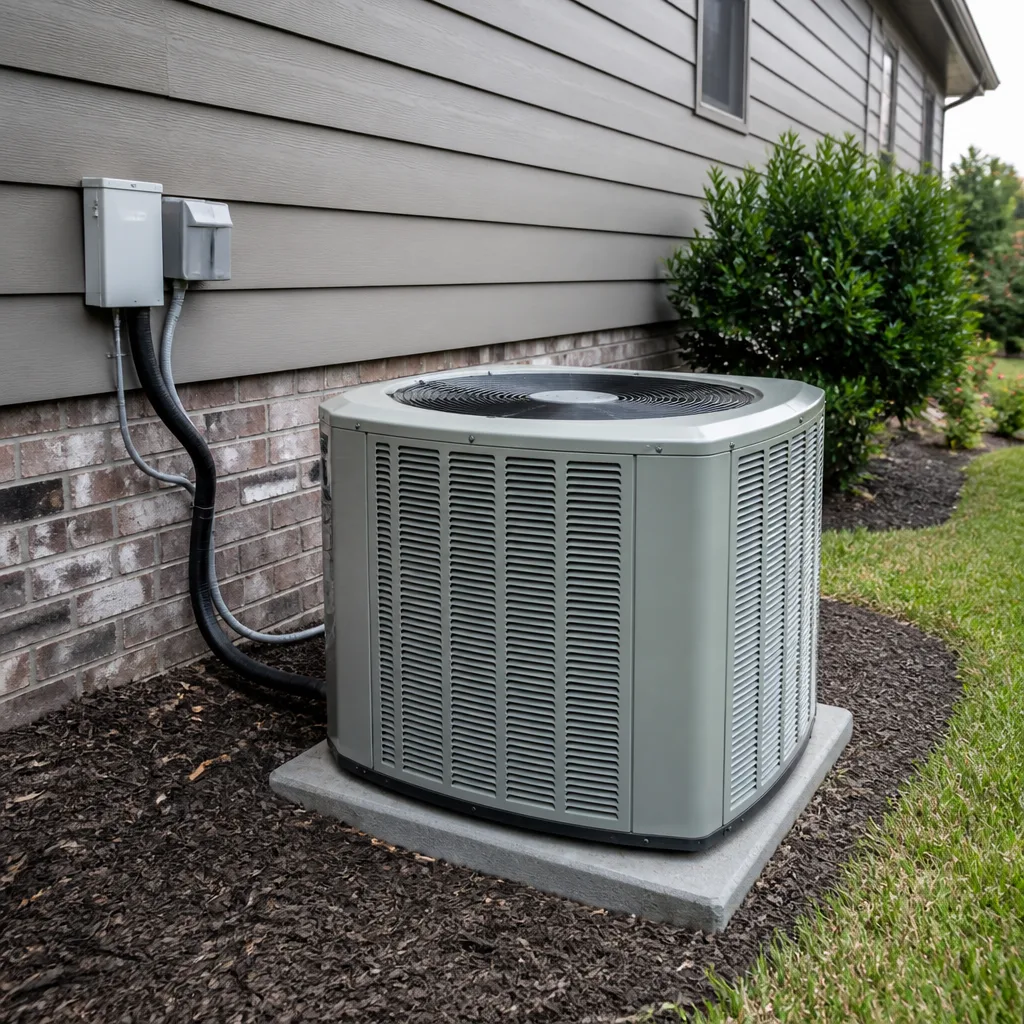 AC repair
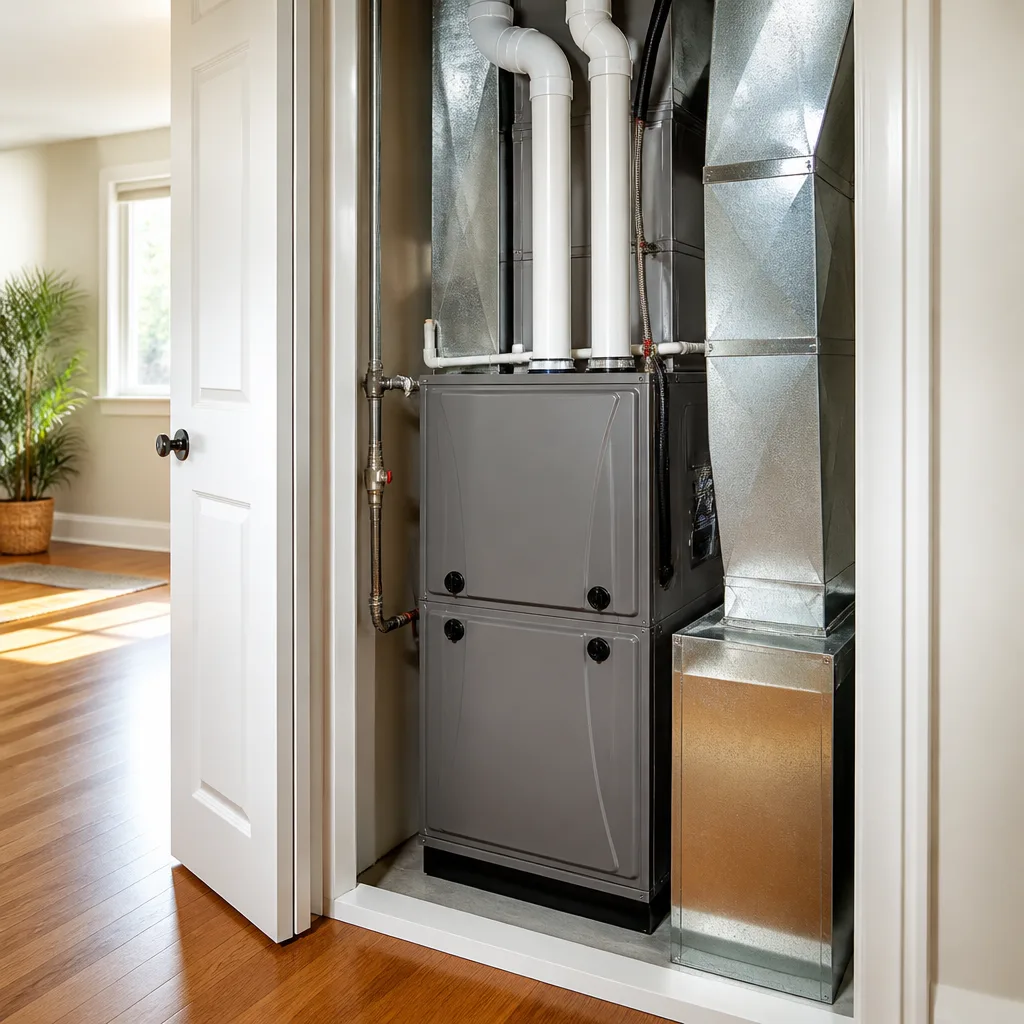 Furnace & heating
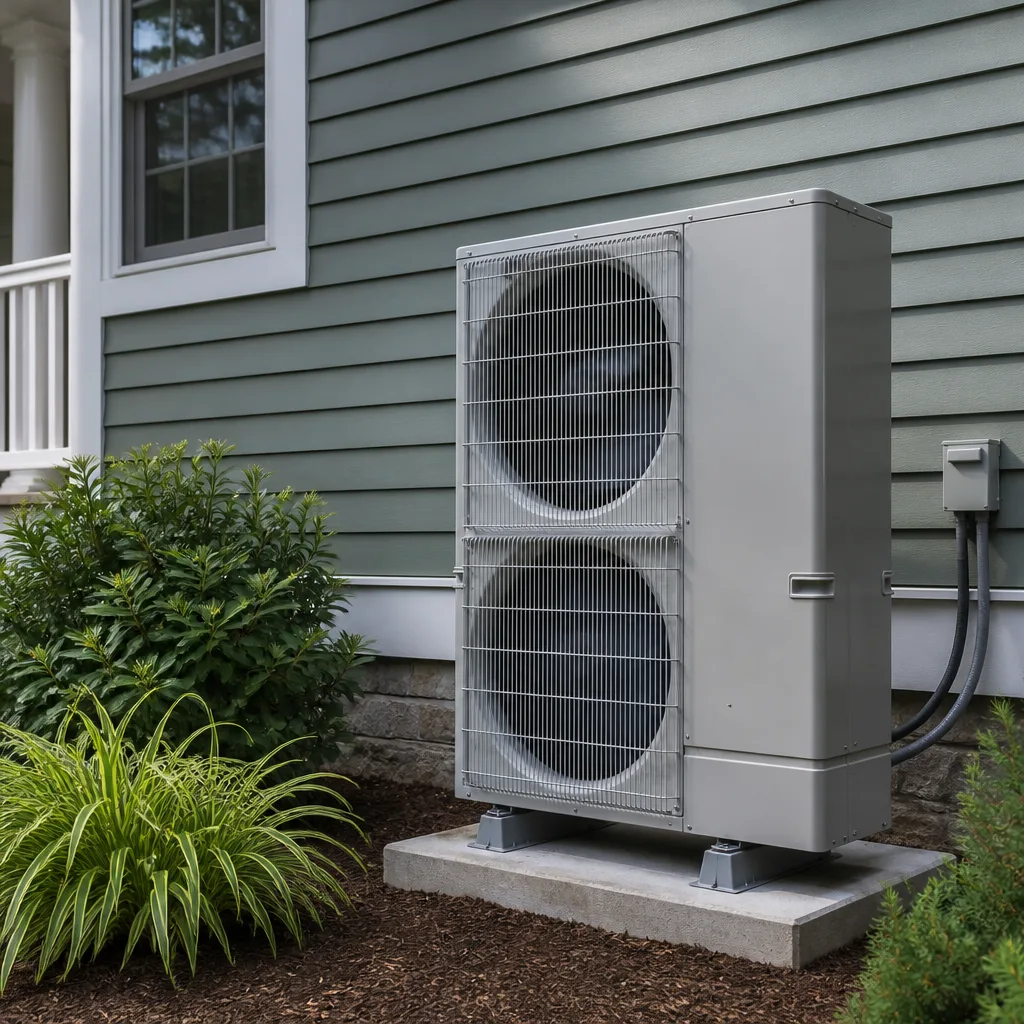 Heat pumps
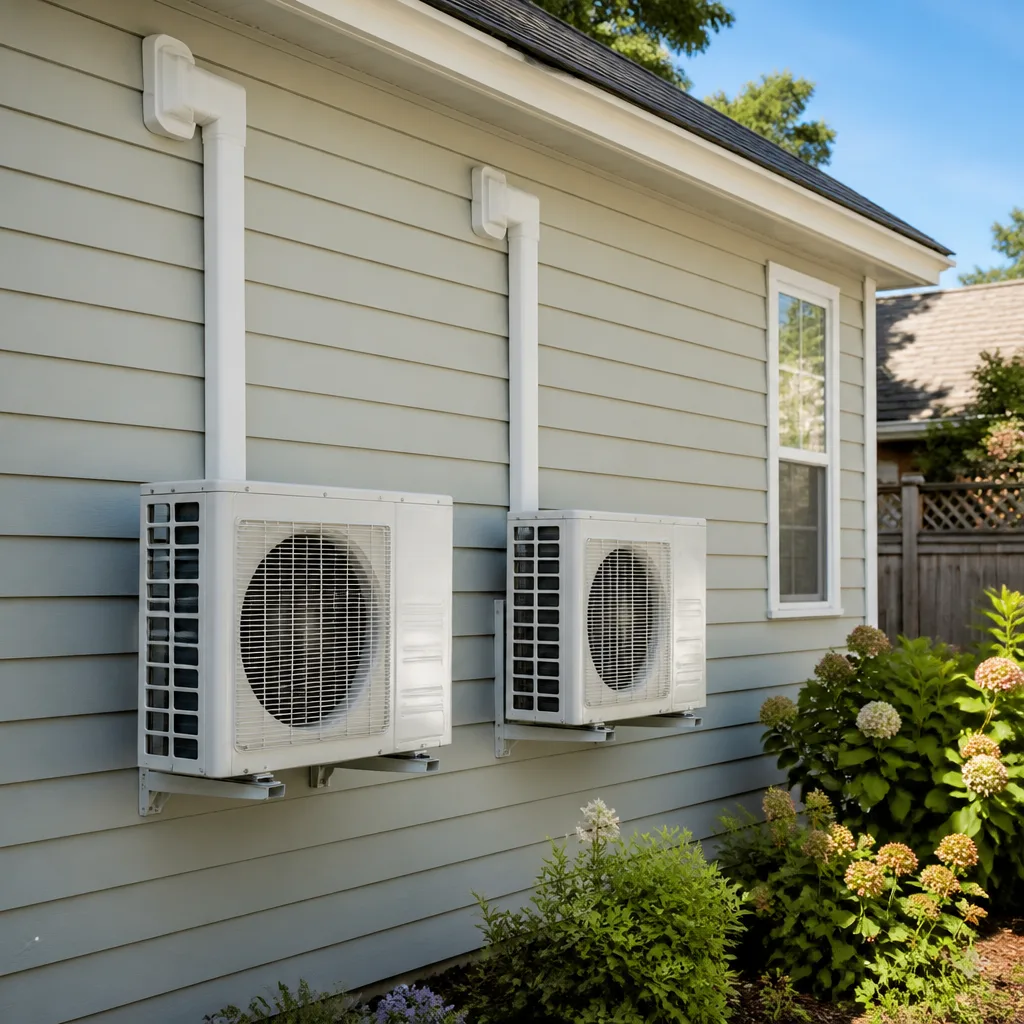 Ductless mini splits
 Carrier
 Trane
Trane Goodman
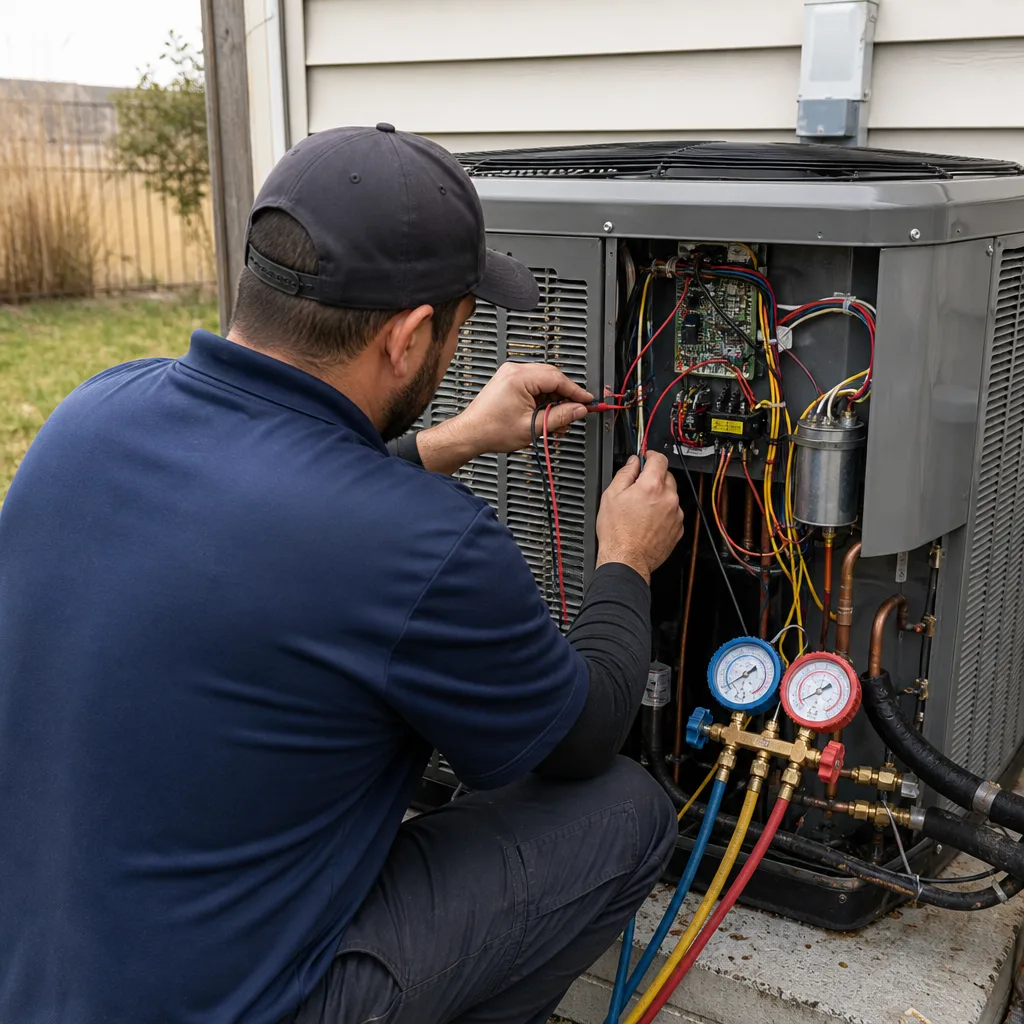
Seasonal tune-up and full diagnostic on your Carrier, Trane, or Goodman system - readings shown to you before any repair is proposed
Diagnosis first, numbers second - you approve the repair price before a single part goes in.
Get your free estimateAC Repair Maintenance Checklist for Austin Homeowners
Most AC maintenance checklists you’ll find online are built around a national template that assumes your air conditioner works hard for four or five months and then rests. That template fails in Austin, where cooling season stretches from March through November. By the time a standard April tune-up rolls around, your system has already been running for weeks. And by July, when the real heat hits, the capacitor, coil, and refrigerant checks from spring are functionally outdated. This guide is built around Austin’s actual usage calendar: nine months of cooling, cedar fever in January, oak pollen in March, and humidity that never quite quits. You’ll learn what to check each month, what to document for warranty claims, and when a task genuinely requires a professional rather than a homeowner with a flashlight. For a deeper dive into system options and local considerations, see The Complete Guide to HVAC in Austin.
Quick Answer
An effective AC maintenance checklist for Austin homeowners is a month-by-month calendar, not a single annual visit. The most important tasks are changing filters every 30-60 days (more often with pets or during oak pollen season), checking the secondary drain pan during cedar season for moisture, and inspecting the capacitor and contactor every 60-90 days during peak cooling months. Most homeowners can handle filter changes, drain line flushes, and visual inspections, but electrical component testing and refrigerant checks should be left to a licensed technician due to the genuine shock and high-pressure hazards involved. If you’re unsure where to draw the line, read DIY vs Professional HVAC: The Austin Homeowner’s Decision Guide.
Styles & brands we work with
Table of Contents
- The Austin Cooling Calendar: Why Once a Year Isn’t Enough
- Month-by-Month Maintenance Task Calendar
- Filter Replacement Frequency for Austin Homes
- Capacitor and Contactor Inspections: The 60-90 Day Rule
- Secondary Drain Pan Checks During Cedar Season
- Documenting Maintenance for Warranty Claims
- When to Call a Professional
- Frequently Asked Questions
The Austin Cooling Calendar: Why Once a Year Isn’t Enough
Here’s a number that matters: Austin averages roughly 90 days per year at or above 95 degrees, and cooling demand typically begins in March and runs through November. That’s a nine-month season, which means your AC endures about twice the annual runtime of a system in, say, Minneapolis or Boston. Every component, from the capacitor to the condenser coil, accumulates wear at roughly double the national pace.
What does that mean in practical terms? A capacitor rated for a certain number of cycles may fail in year seven or eight in Austin rather than year twelve. A filter that would last 90 days in a mild climate clogs in half that time when your system runs constantly from June through September. And the dust, pollen, and construction debris that AC maintenance in Austin technicians see in condenser coils is heavier than what most national guidelines assume.
So the thesis here is simple: structure your maintenance around Austin’s calendar, not a generic seasonal template. The tasks below are organized by month and by Austin’s specific environmental triggers, from cedar pollen in January to the first hard freeze in December.
What the Austin Calendar Means for Component Lifespans
- Capacitors: Typically last 5-8 years in Austin, versus 10-12 in cooler climates. Test every 60-90 days during peak season.
- Contactors: Show pitting and wear faster with frequent cycling, which is constant during Austin shoulder seasons when temperatures swing 30 degrees between day and night.
- Condenser coils: Accumulate cottonwood, oak pollen, and construction dust faster than national averages suggest. Clean annually, inspect more often in central Austin neighborhoods with mature tree canopy.
- Filters: Austin’s particulate load, especially during oak pollen season (March-April) and cedar season (December-February), shortens filter life by 30-50%.
- Drain lines: Austin’s humidity feeds algae growth in condensate lines. A line that stays clear for a year elsewhere may clog by August here.
We’ve seen systems in Austin that run fine all winter, then fail in early July because a capacitor that tested fine in April gave out after two months of constant 100-degree runtime. The maintenance calendar below is built to catch those failures before they happen.
Month-by-Month Maintenance Task Calendar
This calendar assumes a standard central air system with an outdoor condenser unit and an indoor evaporator coil. It maps each task to the month when it matters most in Austin, not the month when national templates suggest it.
January: Cedar Season Drain Check
- Check the secondary drain pan under your indoor unit for moisture. Cedar pollen is airborne and fine, but the bigger issue is that January is humid and your system may be cycling for heat, which produces condensate even in winter.
- Inspect visible drain line sections for algae or sediment. A slow-draining line now becomes a clog by spring.
- Pour one cup of white vinegar down the condensate drain line (through the access tee near the indoor unit) to slow algae growth.
- If you see water in the secondary pan, call a technician. A wet pan means the primary line is already restricted, and ignoring it leads to a ceiling stain, which is a much more expensive problem.
February: Pre-Season Filter Reset
- Install a fresh filter, even if the current one doesn’t look dirty. Austin’s cedar pollen counts in January and February are among the highest in the country, and particles that are fine enough to bypass your nose still clog filter media.
- For homes with pets, consider upgrading to a MERV 8 or MERV 11 filter through peak allergy months. Just confirm your system can handle the pressure drop; older blowers may struggle with MERV 13.
- Inspect the outdoor unit for leaves, dead grass, and debris that collected over winter. Clear at least 18 inches of space around the condenser.
March: Oak Pollen Preparation
- Oak pollen in Austin peaks in March and April. This is the single worst month for filter loading in the entire year.
- Change your filter at the beginning of March, then check it again at the end of the month. If it’s grey or clogged, change it weekly through April.
- Visually inspect the condenser coil for pollen paste. Oak pollen mixes with humidity and forms a film that reduces heat transfer. A coil cleaning now prevents reduced efficiency during the summer.
- Test the thermostat by switching from heat to cool and verifying the outdoor unit starts. If the fan spins but the compressor doesn’t, you likely have a failing capacitor.
April: First Full Cooling Check
- This is the month most national checklists treat as the start of cooling season. In Austin, your system has likely already been cooling for weeks, so treat April as a mid-season check, not a pre-season tune-up.
- Check the temperature drop across the coil: measure air temperature at a return vent and at the nearest supply vent. A healthy system produces a 15-20 degree difference. Anything less than 12 degrees suggests low refrigerant, a dirty coil, or failing compressor valves.
- Inspect visible ductwork in the attic for tears, disconnected joints, or condensation. Austin attics routinely hit 130 degrees in summer, and any air leaking into that space is wasted cooling.
- Listen for buzzes, clicks, or hums from the outdoor unit on startup. A hard-starting compressor often makes a distinctive buzz-click pattern before the fan kicks on.
May: Humidity and Drain Line Focus
- May is when Austin humidity really builds, and with it, condensate volume. A drain line that was fine in March may start backing up now.
- Flush the drain line again with vinegar or a mild bleach solution (one part bleach to ten parts water). Bleach kills algae faster but can damage older PVC over time, so vinegar is safer for repeated use.
- Check the P-trap, if accessible. Austin’s hard water leaves mineral deposits that narrow the trap bore and create a ledge for algae to grip.
- If you have a condensate pump, pour water into the pump reservoir and confirm it activates and drains. A stuck float switch will shut down your system entirely by design.
June-August: Peak Season Component Checks
- Every 30 days: Change the filter. Austin’s summer particulate load, combined with constant runtime, fills a standard 1-inch filter quickly. In homes with pets or during high-dust construction nearby, check every 2-3 weeks.
- Every 60 days: Visually inspect the capacitor. If you’re comfortable with the safety steps (kill power at the disconnect and breaker, verify with a meter), look for bulging, leaking, or a domed top. Do not touch terminals even with power off; capacitors store charge. If you’re not certain what you’re doing, skip this and call a technician.
- Weekly: Listen for the system short-cycling (turning on and off every 5-10 minutes). Short cycles in August Austin heat usually mean a failing capacitor, low refrigerant, or a frozen evaporator coil.
- Monthly: Check the drain pan and drain line. Peak cooling produces the most condensate, and a clog now becomes a ceiling stain within 24-48 hours of blockage.
- As needed: Rinse the outdoor coil gently with a garden hose (system off, low pressure). Austin dust combined with humidity forms a mud film that reduces efficiency by 5-10%.
One thing we tell Austin homeowners in June: the capacitor that tested fine in April is not guaranteed to survive July. Capacitors fail from heat exposure and cycling, both of which peak in Austin’s summer. If your unit struggles to start on a 100-degree afternoon, you’ll hear a hum followed by a click, then nothing. That’s the compressor trying to start on a weak capacitor. A $180-$350 capacitor replacement is far cheaper than the compressor damage that can follow repeated failed starts.
September: Post-Peak Recovery
- September in Austin is still summer in most of the country’s calendar, but it marks the beginning of the cooling season’s downhill slope.
- Change the filter again. It has just survived three months of maximum load.
- Inspect the outdoor unit for rust, especially on the cabinet base and coil guard. Austin’s occasional heavy rains combined with heat accelerate corrosion.
- Check for refrigerant ice on the large copper line (suction line). Light sweating is normal. Ice means low refrigerant or restricted airflow, and both conditions shorten compressor life.
October-November: Shoulder Season Reset
- These are the months when Austin temperatures swing from 50 at night to 80 in the afternoon, forcing your system to cycle repeatedly. Contactors, the electrical switches that engage the compressor, wear faster under frequent cycling.
- Listen for contactor chatter: a rapid clicking sound from the outdoor unit when the system starts. That sound often indicates a pitted or failing contactor, which should be replaced before it welds shut or burns out.
- Schedule any deferred repairs now, before winter. Repair work is harder to schedule in December and January, and a system that limped through summer may fail entirely on a cold snap.
- This is the ideal window for a professional inspection that goes beyond what a homeowner can do: refrigerant pressure check, capacitor microfarad test, contactor resistance check, and coil temperature differential measurement.
December: Winter Shutdown and Heat Mode
- Even in December, many Austin systems run in cooling mode on warm afternoons. But this is the month to shift attention to whatever the system will do for the next 8-10 weeks.
- If you have a heat pump, the same components that cool your home now heat it. The capacitor, contactor, and reversing valve all cycle. Don’t assume winter means downtime.
- Cover or shelter the outdoor unit only if manufacturer guidelines permit. Most modern condensers are designed to sit exposed, and a poorly fitted cover traps moisture and accelerates rust.
- Document everything: see the documentation section below.
Filter Replacement Frequency for Austin Homes
Filter replacement is the single highest-impact maintenance task a homeowner can do, and it’s the one most commonly neglected. In Austin, the city’s allergy seasons and summer particulate load mean national guidelines, which typically recommend 90-day intervals, are too lax.
How Often Should You Replace Your Filter in Austin?
| Home Situation | Austin-Specific Frequency | Why |
|---|---|---|
| No pets, single occupant, minimal HVAC use (fall/winter) | Every 60-90 days | Lighter load; still more than national average due to Austin dust |
| No pets, family, normal use, spring/summer | Every 30-45 days | Oak pollen in spring, constant runtime in summer |
| One dog or cat | Every 30 days year-round | Pet dander and hair load filter media quickly |
| Multiple pets | Every 2-3 weeks | Hair, dander, and tracked-in dust compound quickly |
| Oak allergy sufferer in home, March-April | Every 1-2 weeks | Oak pollen saturation is extreme in Austin; filter is a health tool, not just a maintenance item |
| Construction nearby or major remodeling | Every 2 weeks until dust settles | Austin’s growth means construction dust is common in many neighborhoods |
Filter MERV Ratings and What They Mean
- MERV 1-4: Basic fiberglass, catches large particles only. Fine for temporary use, not recommended for Austin homes during allergy season.
- MERV 5-8: Good all-around choice. Catches pollen, dust mites, and some mold spores without excessive airflow restriction.
- MERV 9-11: Better for allergy sufferers. Catches finer particles, including most pollen types common in Austin. Confirm your blower can handle the pressure drop; older systems may struggle.
- MERV 13+: HEPA-grade filtration for the air stream. Significantly restricts airflow; many residential systems cannot handle these filters without reducing efficiency and increasing blower wear.
A dirty filter does three things: it reduces airflow (which freezes coils in high humidity), it increases energy consumption (your system runs longer to move the same volume of air), and it lets unfiltered air bypass the media entirely (which means allergens enter your home). The filter is the cheapest component to replace and the most expensive one to ignore.
Capacitor and Contactor Inspections: The 60-90 Day Rule
Here’s the maintenance interval Austin HVAC technicians actually follow, even though national guidelines say “annual inspection”: capacitors and contactors get checked every 60-90 days during cooling season in central Texas. The reason is simple. These are the two electrical components most likely to fail under sustained heat and frequent cycling, and when they fail, they take other components with them.
What a Capacitor Does and Why It Fails in Austin
A capacitor is a short-term electrical storage device that gives the compressor and fan motor a jolt of power to start. Once the motor is running, the capacitor also smooths the electrical flow. In Austin’s summer, the capacitor sits inside an outdoor unit that may reach 140 degrees in direct sun. Heat degrades the capacitor’s internal dielectric material, which is why capacitors fail more often during heat waves than any other time.
Signs of a failing capacitor include: the outdoor unit hums but the fan doesn’t spin, the compressor short-cycles on and off, the system struggles to start on hot afternoons but works in the morning, or the capacitor itself shows visible bulging, leaking, or a domed top.
What a Contactor Does and Why It Wears
A contactor is an electromagnetic switch that connects the 240-volt circuit to the compressor and fan. Every time the thermostat calls for cooling, the contactor closes, sending current through its contact points. Those points arc slightly each cycle, pitting the surface over time. In Austin, where day-night temperature swings cause frequent cycling in spring and fall, a contactor may cycle hundreds of times per month. Pitted contacts eventually fail to conduct electricity, and the compressor either doesn’t start or draws excessive current, which can trip breakers or, worse, damage the compressor.
The 60-90 Day Inspection
- Every 60-90 days during cooling season: If you’re comfortable working around electricity (and only if), kill power to the outdoor unit at the disconnect panel and breaker, then verify with a voltmeter. Remove the access panel and inspect the capacitor and contactor visually.
- Look for: Bulging or domed capacitor top, brown or black marks on the contactor, pitted contact points, melted wiring insulation, or any burned electrical smell.
- Do not touch: Capacitor terminals can hold a charge even with power off. If you see signs of failure, replace the component. This is a job for a licensed electrician or HVAC technician, not a homeowner learning from a video.
- If you’re not comfortable: Schedule a professional inspection. In our experience, the customers who catch capacitor failures early, before the compressor is damaged, save $1,500-$3,000 in avoided repairs.
We’ve replaced capacitors in brand names like York and American Standard systems that were only four years old because they sat in direct Austin sun and cycled constantly. The component is cheap (typically $15-$60 for the part), but the labor to diagnose, replace, and verify is where the cost comes in. A typical capacitor replacement in Austin, parts and labor included, runs $180-$350 depending on the unit and access.
Secondary Drain Pan Checks During Cedar Season
Every indoor evaporator coil produces condensate: water that drips off the cold coil as warm air passes over it. That water flows into a primary drain pan, then out through a PVC drain line. Every code-compliant installation also includes a secondary pan beneath the primary, with its own drain line or float switch. The secondary pan is your early-warning system. If it’s wet, the primary line is clogging.
In Austin, cedar season runs roughly December through February, and while cedar pollen is a respiratory irritant, the big maintenance issue during those months is humidity. Austin winters are humid by desert standards but mild enough that systems cycle for heat. Heat pumps, in particular, produce condensate at the indoor coil even in winter, and that water is looking for a path out. If the primary line is partially clogged with algae or mineral deposits, water backs up into the secondary pan.
How to Check the Secondary Pan
- Locate the indoor unit: Usually in a closet, attic, or garage. The secondary pan sits directly beneath it.
- Look for standing water: Any water in the secondary pan is abnormal. It means the primary line is not draining and the secondary is catching the overflow.
- Check the float switch: If the pan has a float switch, it should shut the system off when water rises to a certain level. If you see water and the system is still running, the switch may be failed.
- Wipe the pan dry: After confirming the primary line is clear (flush with vinegar), dry the secondary pan completely. You want a dry baseline so any future moisture is immediately visible.
Why Cedar Season Matters Specifically
Here’s the connection Austin homeowners miss: cedar pollen counts peak in January, but the humidity that feeds drain line algae is also high in winter because Austin’s winter air holds more moisture than its summer air. So while your system is producing condensate from heating or from occasional warm-afternoon cooling, the drain line is sitting in a warm, humid attic environment that encourages biological growth. The combination means winter drain clogs are more common in Austin than in most of the country. A secondary pan check in January costs you two minutes. A ceiling repair from a clogged primary line costs $500-$2,000 depending on the damage.
If you find water in the secondary pan and flushing the primary line doesn’t clear it, call a licensed technician. The clog may be deep in the line, in the P-trap, or in the cleanout, and accessing those sections often requires tools and experience that aren’t in a standard homeowner’s kit.
Documenting Maintenance for Warranty Claims
Here’s a scenario we hear regularly at Brandt HVAC Co Austin: a homeowner’s compressor fails at year six. The manufacturer’s warranty covers years five through ten on parts. The homeowner files a claim. The manufacturer asks for maintenance records. The homeowner has none, because the maintenance was done by a previous owner, or a handyman, or a technician who didn’t provide written documentation. The claim is denied.
Manufacturer warranties are conditional on “proper maintenance,” and the burden of proof is on the homeowner. In Austin, where a compressor failure in August can mean two weeks without cooling unless a claim is processed quickly, documentation is the difference between a $2,000 covered repair and a $2,000 out-of-pocket repair.
What to Keep and How to Keep It
- Every invoice, every visit: Request a written invoice from any technician who touches your system. It should list the date, the specific tasks performed, the components inspected or replaced, and the name of the technician.
- Filter purchases: Keep receipts for filters. This is the one maintenance task homeowners do themselves, and manufacturers want to see that it was done.
- Photos: Take a photo of the new filter each time you install it, with the date visible in the photo metadata. Take photos of the condenser coil when you clean it, the drain line when you flush it, and the capacitor when you inspect it.
- A simple log: A one-page spreadsheet or notebook with columns for date, task, and notes is sufficient. No need for elaborate software. The key is that it exists and is consistently updated.
- Warranty registration: Register your system with the manufacturer when it’s installed. Unregistered systems often get shorter warranty terms, typically 5 years on parts instead of 10. Your installing contractor should handle this, but verify that it’s done.
We’ve represented customers in warranty claims with Daikin and Bryant equipment where manufacturer representatives specifically asked for filter change records and annual professional maintenance documentation. The customers who had them got their claims approved. The ones who didn’t were offered partial coverage or none. This isn’t a formality; it’s how warranty enforcement actually works.
When to Call a Professional
Some maintenance tasks are genuinely safe for homeowners. Changing a filter, flushing a drain line with vinegar, and inspecting the secondary pan are all reasonable DIY territory. Other tasks are not, and the line between them matters. For urgent cooling issues beyond DIY scope, contact our AC Repair team.
Call a licensed technician if you see any of these: refrigerant ice on the copper lines (low charge or airflow restriction, both of which require specialized diagnosis), a humming outdoor unit that doesn’t start (electrical component failure, with shock hazard if mishandled), water in the secondary pan that doesn’t clear after flushing the primary line (deep clog, potential coil replacement), repeated breaker trips (electrical fault somewhere in the system), or any burning smell from the unit (motor or wiring failure, fire risk).
Also call a professional for the annual deep inspection that goes beyond homeowner-level checks: refrigerant pressure testing, capacitor microfarad measurement, contactor resistance testing, and coil temperature differential verification. These are the tests that catch failures before they become August emergencies.
AC repair in Austin is a competitive market, but not all companies provide the same level of transparency. At Brandt HVAC Co Austin, we send you the name and photo of your technician before every visit, and that technician wears a photo ID badge at the door. Every job starts with a written price, before any work begins. And if a repair fails within 365 days, we return at no charge under our 365-Day Done Right Promise. That’s the standard we hold ourselves to. Brandt HVAC Co Austin offers free estimates in Austin. Call (361) 326-1553 to schedule.
Frequently Asked Questions
Every 30-45 days during cooling season, and every 1-2 weeks during oak pollen season (March-April) if you have allergies or pets. Homes with multiple pets should change filters every 2-3 weeks year-round, regardless of season.
Secondary drain pan checks. Most homeowners check the filter but never look at the secondary pan, and a wet pan is the earliest warning of a clogging drain line. In Austin’s humid months, a clogged primary line can overflow into a ceiling within 24-48 hours. Check the pan monthly during cooling season.
You can rinse the outside of the coil with a garden hose (water pressure low, system off, power disconnected) to remove dust and debris. Do not use a pressure washer, which bends the delicate aluminum fins. Do not open the cabinet to clean the inner coil; that requires a professional coil cleaner and proper flush procedure.
A basic professional AC maintenance visit in Austin typically runs $80-$200, depending on the scope and whether it includes coil cleaning. Companies that advertise $29 tune-ups are usually selling that visit as a loss leader for repair upselling. At Brandt HVAC Co Austin, we charge a flat price for maintenance visits and provide a written report of what was actually checked. Call (361) 326-1553 for a maintenance estimate, or explore more guides & resources on keeping your system running.
Capacitors are typically covered under the manufacturer’s parts warranty if the system is within its warranty period and properly registered. Labor is usually not covered. A capacitor replacement in Austin typically costs $180-$350 parts and labor, depending on the unit and access. Our 365-Day Done Right Promise covers the repair, not the manufacturer’s warranty, but it means if our capacitor replacement fails within a year, we return at no charge.
Yes, with one important caveat: your system’s filter is a critical allergy tool during cedar season, but only if it’s clean and sufficiently rated. A MERV 8-11 filter changes monthly through cedar season provides meaningful allergy relief. A clogged filter provides none, and also starves the system of airflow, which can freeze the coil and create condensation problems that compound the inconvenience.
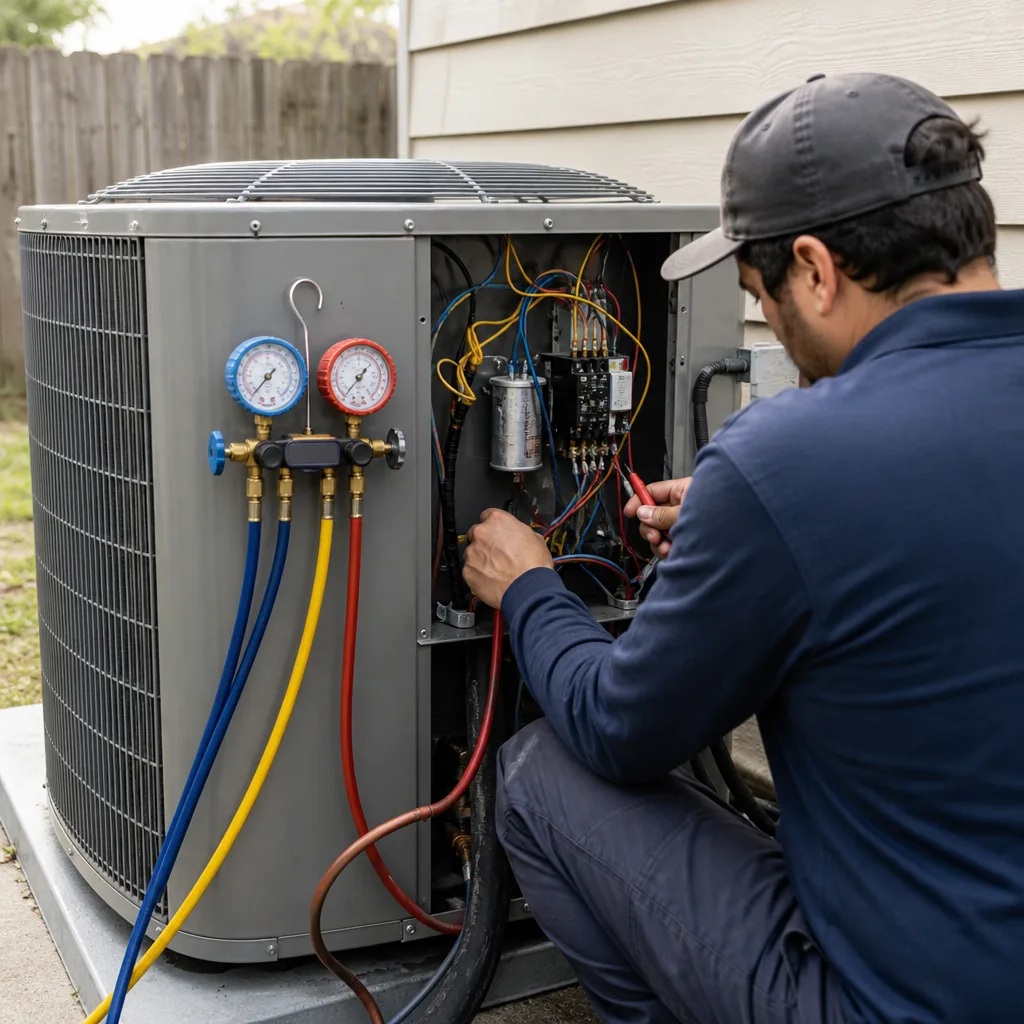
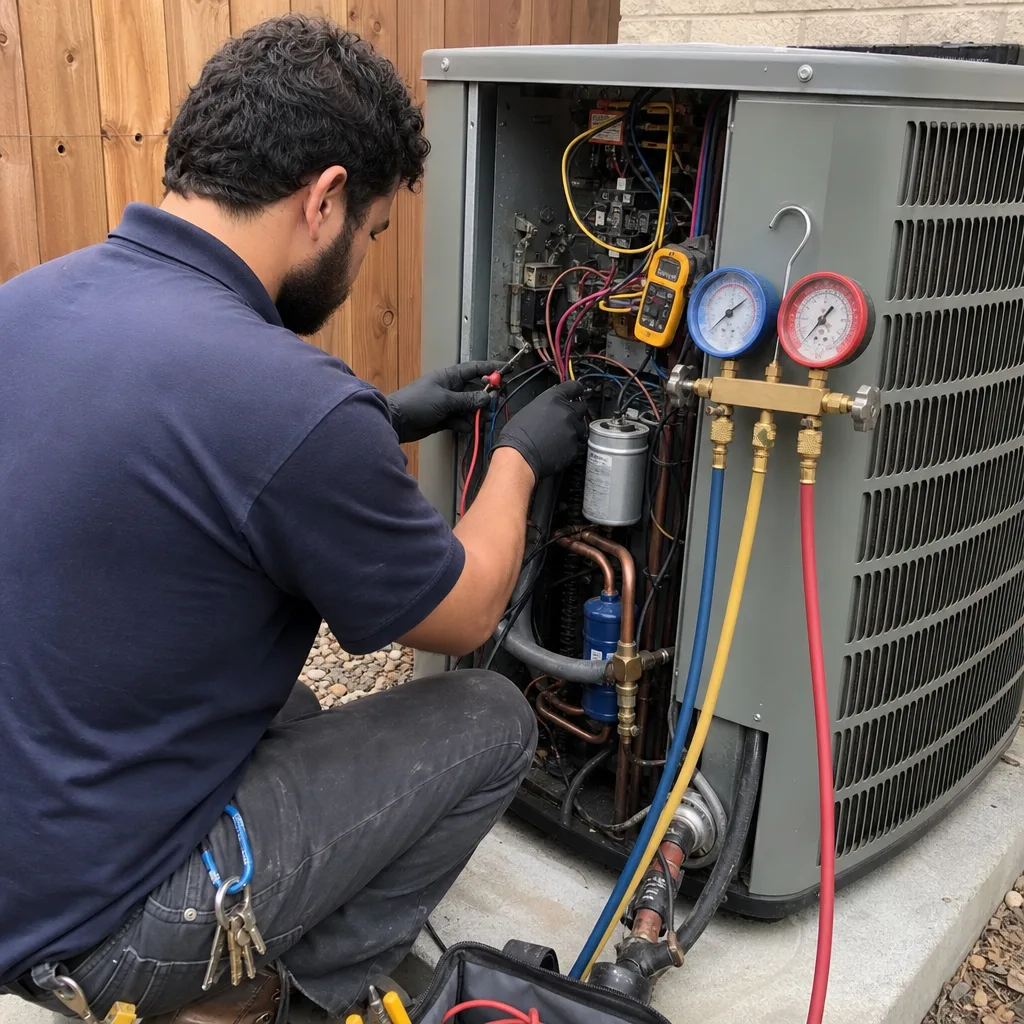
See the difference
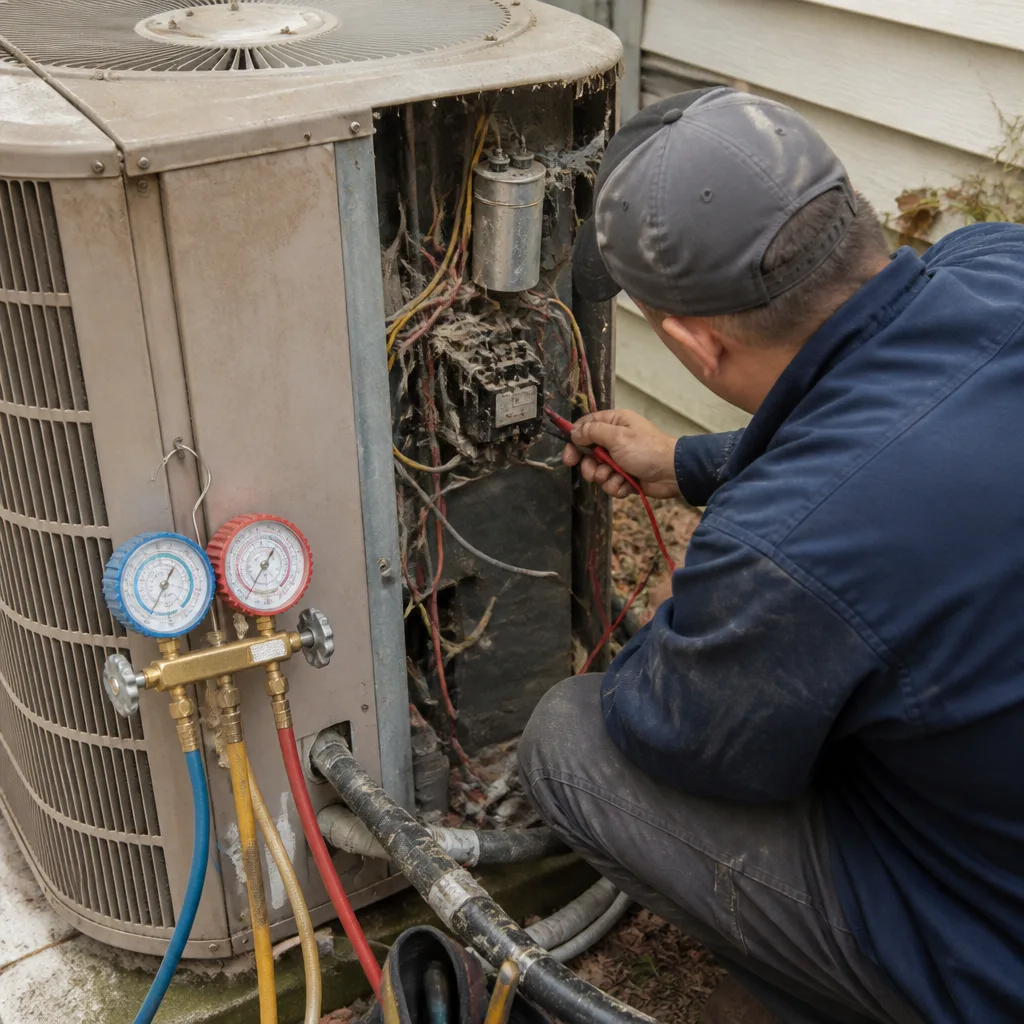 Before
 After
After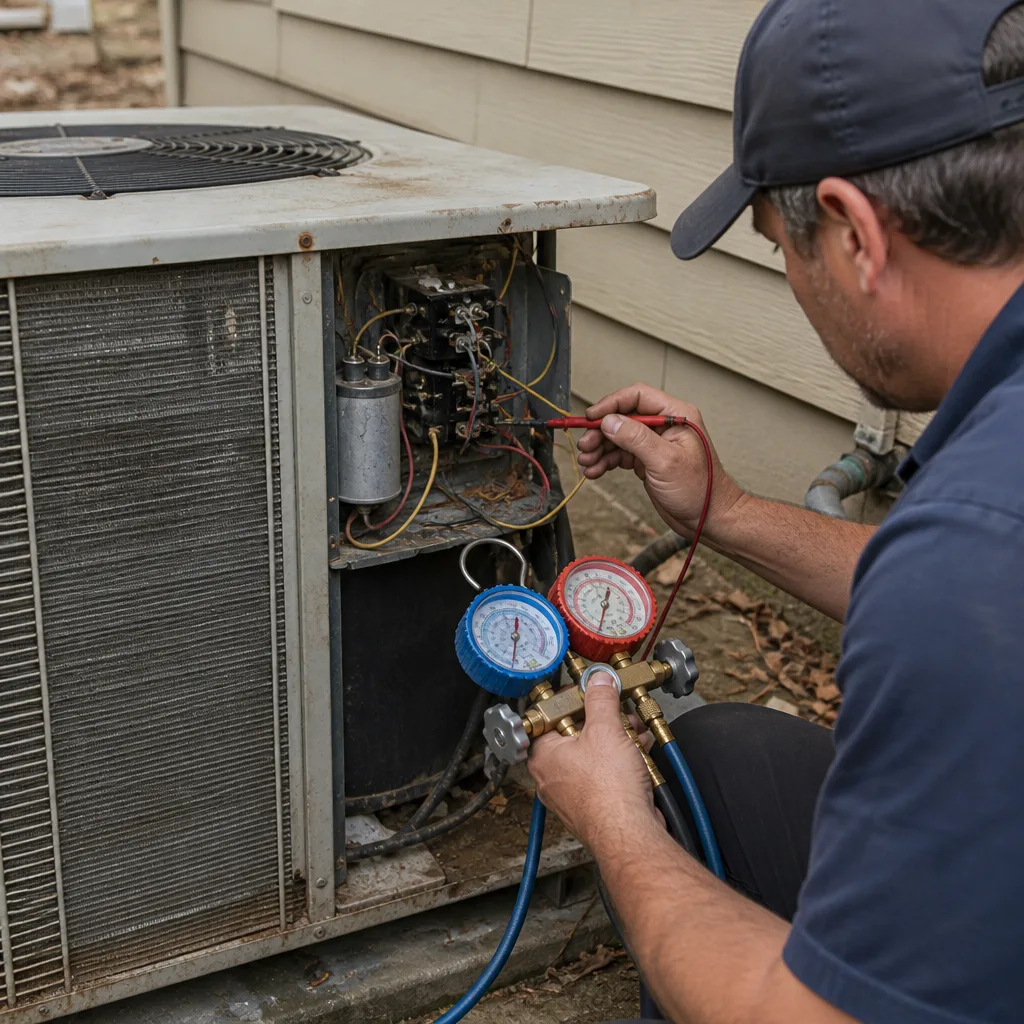 Before
 After
After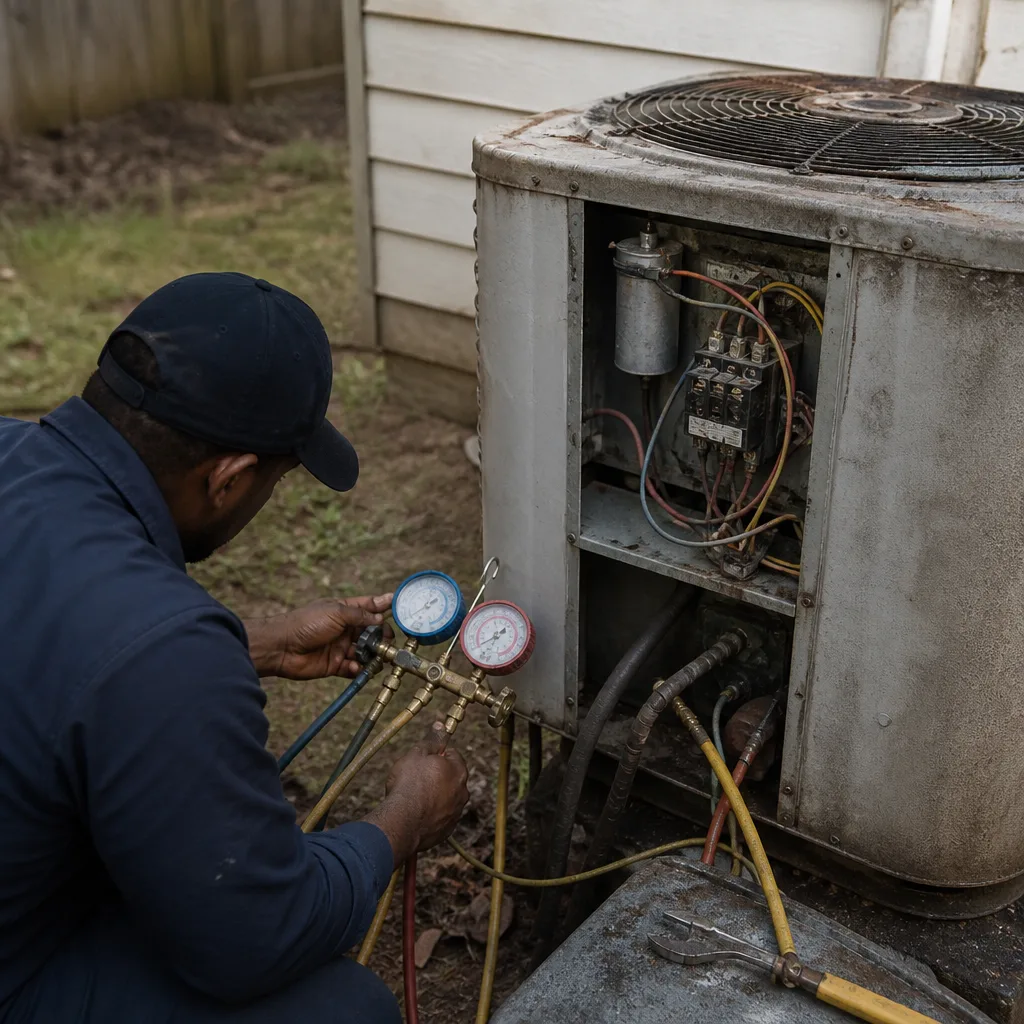 Before
 After
AfterCommon Mistakes to Avoid
- Treating maintenance as an annual event: National checklists were not written for Austin’s nine-month cooling season. If you’re only maintaining once a year, you’re leaving seven or eight months of heavy use unmonitored. Adopt the month-by-month calendar above instead.
- Ignoring the filter until it “looks dirty”: By the time a filter looks dirty, it has been restricting airflow for weeks. In Austin’s summer, that restricted airflow is a primary cause of frozen coils and compressor strain. Change on a calendar, not on appearance.
- Closing too many supply vents: Homeowners sometimes close vents in unused rooms to save energy. In Austin, this creates static pressure that can reduce airflow across the coil below safe levels, causing ice and water damage in the attic.
- Flushing the drain line with bleach repeatedly: Bleach kills algae but also degrades PVC drain pipe over time, and repeated use can create brittle sections that crack under the vibration of the indoor unit. Vinegar is slower but safer for frequent flushing.
- Covering the outdoor unit in winter: Unless the manufacturer specifically recommends it for your model, covers trap moisture and accelerate rust on the cabinet and coil. Modern condensers are designed to sit in the weather.
- Not documenting DIY maintenance: If you change filters, flush the drain line, and inspect the coil yourself, document it. Warranty claims are denied for lack of maintenance records more often than for any other reason. A dated photo of a new filter is proof that matters.
- Testing electrical components without proper training: Capacitors retain charge even with power disconnected, and contactors sit on 240-volt circuits. The most expensive repair is the one that sends you to the emergency room. This is an area where professional help is genuinely safer and usually cheaper in the long run.
The Bottom Line
Austin’s climate is unusually demanding on residential AC systems. Nine months of cooling, extreme summer heat, oak and cedar pollen seasons, and high humidity mean your system works harder and wears faster than the national average. That means your maintenance schedule must work harder too. The checklist above maps every task to the month when it matters most, from January’s cedar-season drain check to August’s capacitor and contactor inspections. The homeowners who follow this calendar catch failures early, document everything, and call a professional when a task exceeds their comfort level. The ones who don’t are the ones we hear from in August, when a compressor fails on a 105-degree afternoon. If you want to avoid that call, Brandt HVAC Co Austin home is here to help with maintenance, furnace repair in Austin when winter catches you off guard, and honest, upfront pricing on every job.
Written by Devin Marlowe, Owner at Brandt HVAC Co Austin, serving Austin since 2003.