
Last updated October 16, 2026
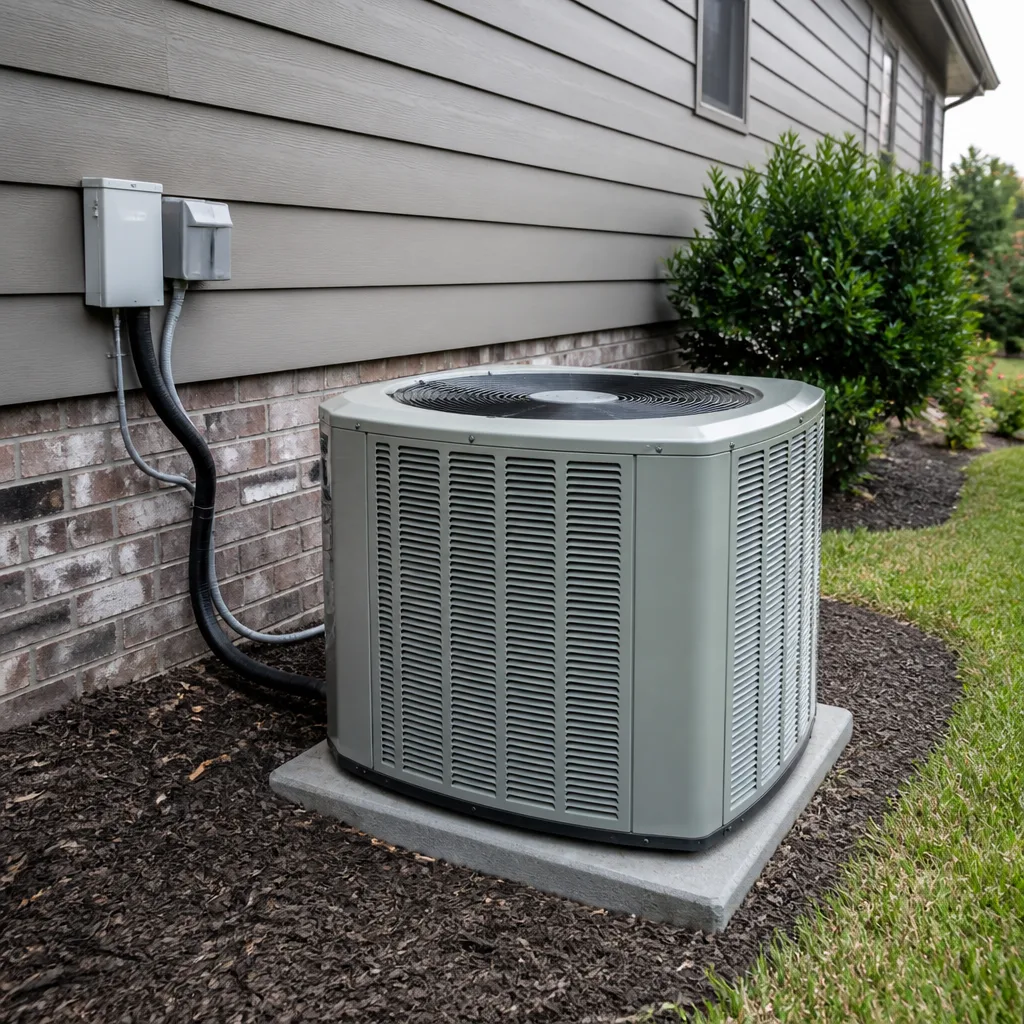 AC repair
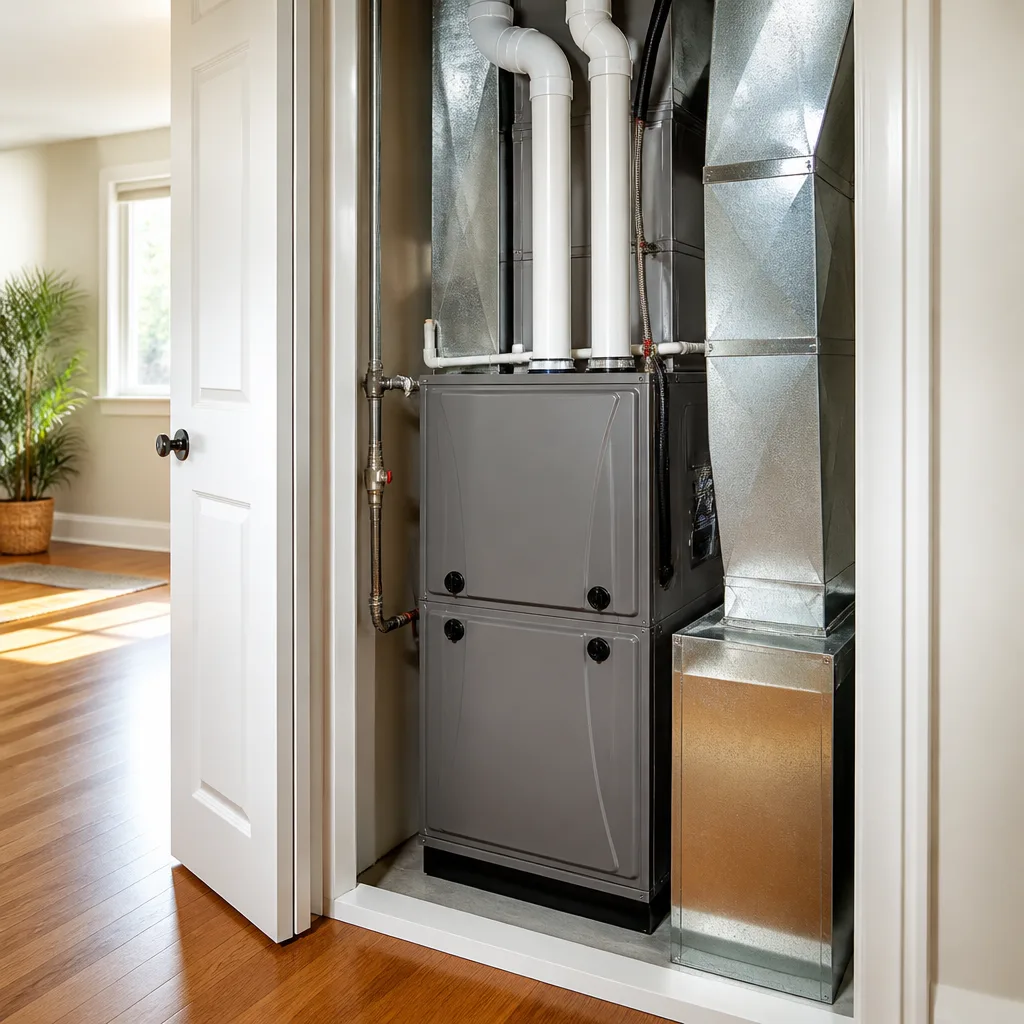 Furnace & heating
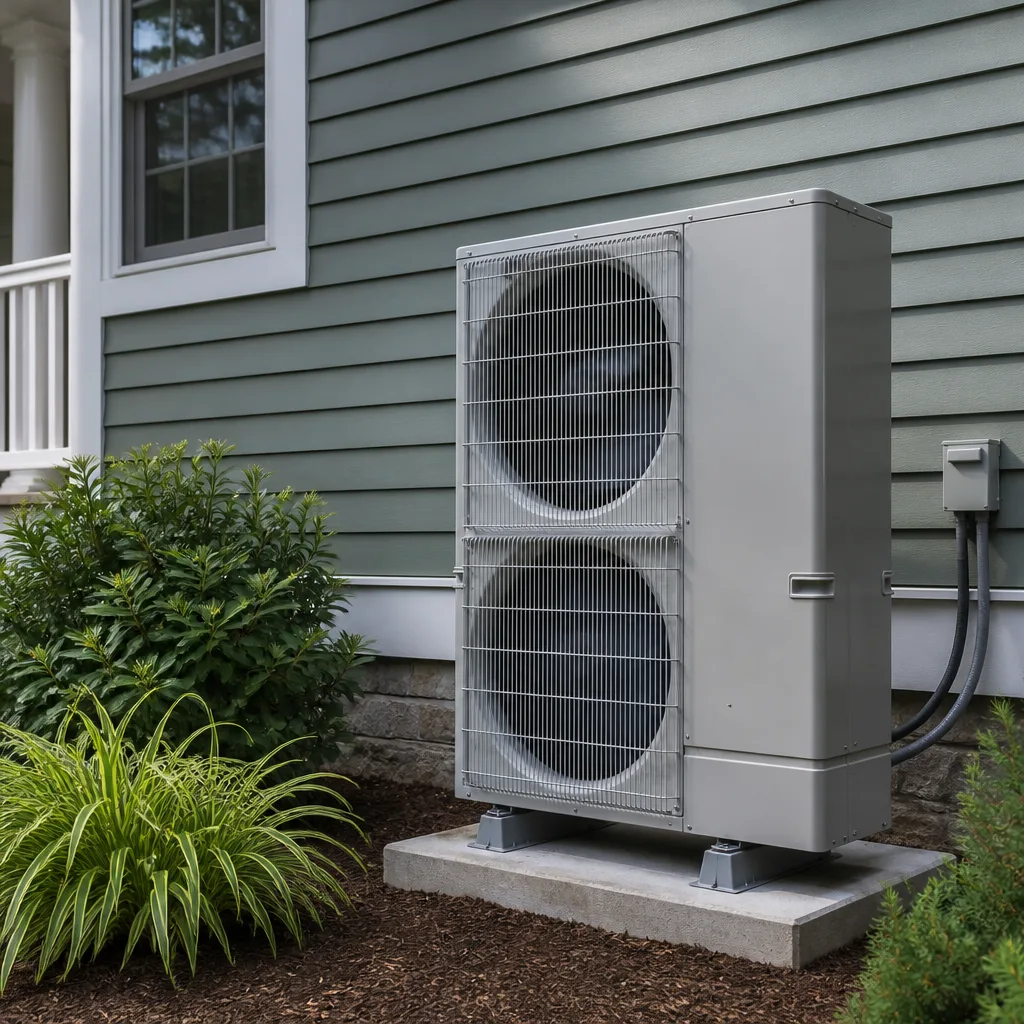 Heat pumps
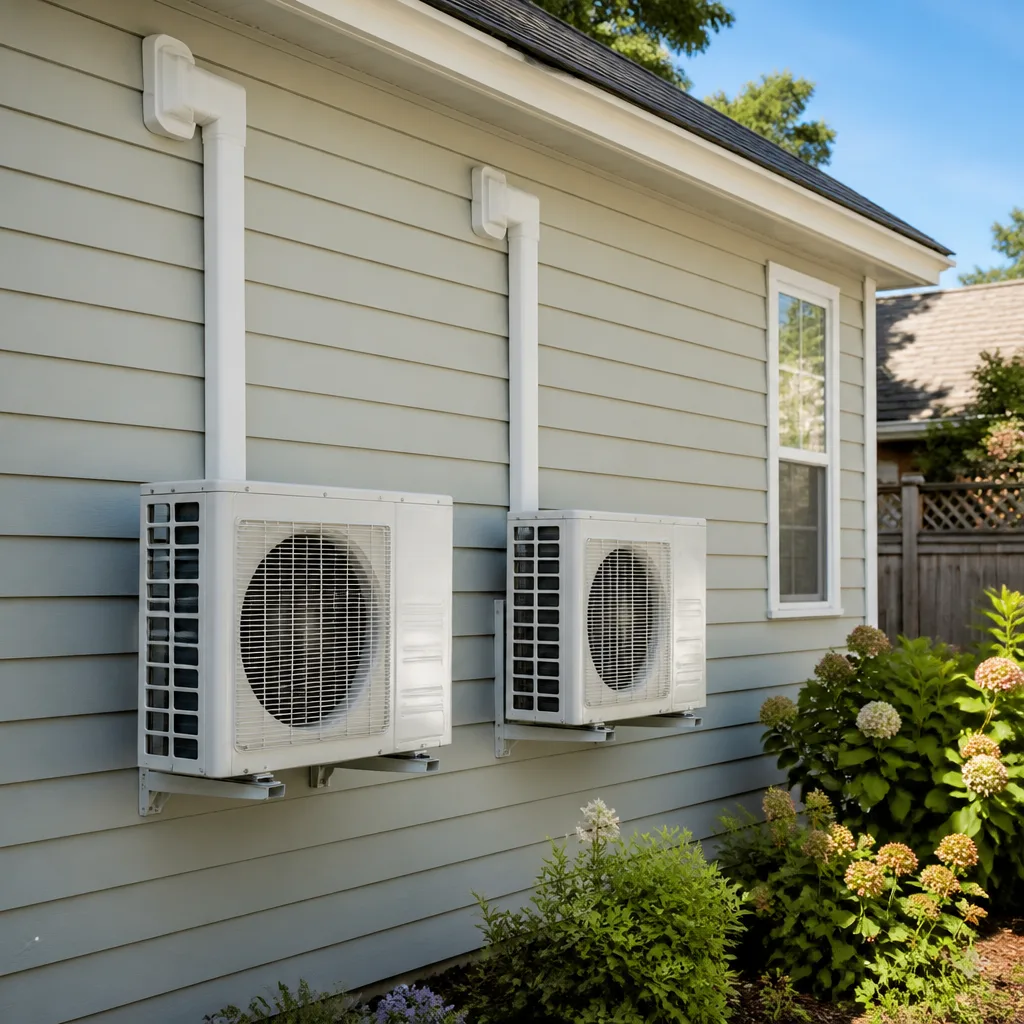 Ductless mini splits
 Carrier
 Trane
Trane Goodman
Seasonal tune-up and full diagnostic on your Carrier, Trane, or Goodman system - readings shown to you before any repair is proposed
Diagnosis first, numbers second - you approve the repair price before a single part goes in.
Get your free estimateHow to Hire a HVAC Contractor in Austin: A Step-by-Step Guide
Austin’s HVAC market has a problem most homeowners don’t see until it’s too late. Texas requires HVAC contractors to carry a state license, but nothing on a work van, a uniform, or a business card proves the person standing at your door is actually the licensed individual on record. In a city that added more than 60,000 new residents last year alone, the demand for cooling and heating work has drawn out-of-state crews, unlicensed operators, and subcontractors who vanish before warranty claims come due. This guide walks you through exactly how to verify who you’re hiring in Austin before they ever step inside your home, what a legitimate written estimate must include, and how to confirm your job was permitted properly. For HVAC Warning Signs: A Austin Homeowner’s Reference Guide, see our related resource.
Styles & brands we work with
Quick Answer
To hire an HVAC contractor in Austin, verify their Texas license number on the TDLR database before anyone comes to your home, confirm the technician who shows up matches the licensed name on record, get a written estimate that breaks down parts and labor before any work starts, and check that a permit was pulled through Austin’s online portal for any replacement or major repair. Then confirm the guarantee in writing, including exactly what it covers and for how long.
Table of Contents
- Step 1: Verify the License Before You Book Anything
- Step 2: Understand Licensed Contractor vs. Registered Technician
- Step 3: Spot the Post-Storm and Post-Freeze Red Flags
- Step 4: What a Real Written Estimate Looks Like in Texas
- Step 5: Check the Permit After the Job, Not Just Before
- Step 6: Ask What the Guarantee Actually Covers
- Step 7: Confirm Who Is Coming to Your Door
- Common Mistakes to Avoid
- When to Call a Professional
- Frequently Asked Questions
- The Bottom Line
Step 1: Verify the License Before You Book Anything
Every legitimate HVAC contractor operating in Austin must hold a Texas Air Conditioning and Refrigeration Contractor license issued by the Texas Department of Licensing and Regulation (TDLR). The license number format is typically a letter followed by five digits. You should see it on their website, their van, and their estimate form. If you don’t see it anywhere, that’s your first red flag.
Here’s the verification process, step by step:
- Get the license number. Ask the contractor for their TDLR number when you first call. A legitimate company gives it to you without hesitation. If they stammer, deflect, or say they’ll “get back to you,” move on.
- Go to the TDLR license search page. The Texas Department of Licensing and Regulation maintains a live, searchable database at no cost. Type in the company name or the license number.
- Confirm the name matches the business. Check that the licensed name on file matches the company name on the estimate and the name on the van. A subcontractor working under someone else’s license is a common issue in Austin.
- Check the expiration date. Licenses lapse. A contractor operating with an expired license is operating illegally, and your homeowner’s insurance may not cover work done by an unlicensed operator.
- Note the license type. Some limited licenses cover only residential work, others cover commercial. Make sure the scope covers what you need.
In Austin specifically, we’ve seen a pattern after every major storm event or prolonged freeze: out-of-state companies arrive with crews, use a local broker’s license number to pull permits, do the work, and leave. When a problem emerges six months later, the licensed broker may still exist, but the crew is gone. The license check catches some of this, but not all of it. That’s where the next step matters more.
Step 2: Understand Licensed Contractor vs. Registered Technician
The person who comes to your door in Austin is not always the person whose name is on the license. Texas law allows licensed contractors to employ registered technicians who work under the contractor’s supervision. That’s normal and legal. The problem arises when the technician at your door cannot tell you who holds the license, cannot produce their own registration number, or cannot show a photo ID that matches the name you were given when you booked.
Here’s what the distinction means for you as an Austin homeowner:
- A licensed contractor has completed required training, passed a TDLR exam, and carries liability insurance. They are accountable to the state for the quality and safety of the work.
- A registered technician is listed with TDLR under a contractor’s license. They may be highly experienced, but they are not the person the state holds ultimately responsible.
- Neither license proves identity at the door. A license proves that someone, somewhere, has the state’s permission to operate. It does not prove the person ringing your bell is that someone. That’s a distinction few Austin companies ever talk about.
When you book, ask two questions: “Whose license number is on the work order?” and “What’s the name of the technician who’s coming?” Then, when the technician arrives, ask for the ID badge and verify the name matches what you were told. If the company can’t tell you who is coming before the visit, that’s a sign they don’t know either.
Step 3: Spot the Post-Storm and Post-Freeze Red Flags
Austin’s climate creates predictable surges in HVAC demand. The February freeze events taught every long-time resident what happens when furnaces and heat pumps fail in cold weather. The 110-degree summer weeks teach the same lesson about air conditioning. Each surge brings the same cast of operators into the market, and many of them are gone by fall.
Here are the Austin-specific red flags to watch for:
- Out-of-state plates on the van. Not every out-of-state contractor is illegitimate, but a significant number of post-event operators come from Louisiana, Oklahoma, and Florida. Ask where the company’s physical shop is. If there is no Austin address on the estimate, walk away.
- Cash-only deposits. Legitimate Austin HVAC companies take checks, cards, and financing. A demand for cash before work starts often means the operator has no intention of being traceable when something goes wrong.
- No physical address in Austin. A P.O. box or a cell phone number and nothing else is a warning sign. Type the address into a map. If it’s a UPS Store or a vacant lot, don’t hire them.
- Pressure to decide today. The Austin market moves fast, but a competent contractor can give you a written estimate that holds for a week. “Sign now or the price goes up tomorrow” is a scarcity play, not a professional practice.
- Stickers that don’t add up. A van with a license number painted on the side means nothing if the name next to it doesn’t match the name on their paperwork. We’ve seen vans with a legitimate-looking license number that belongs to a different company entirely.
These patterns repeat in Austin’s established neighborhoods, the new subdivisions in Leander and Round Rock, and everywhere in between. The city’s growth has outpaced the supply of vetted, licensed contractors, and that gap is exactly where the problem operators live.
Step 4: What a Real Written Estimate Looks Like in Texas
Texas law says an HVAC contractor must provide a written estimate before performing any work that will cost more than $500. That’s the legal minimum. But most homeowners in Austin get far less than the law intends: a single line item that says “AC repair – $1,200” with no breakdown, no model numbers, and no language about warranty or permit responsibility. For detailed pricing context, see our HVAC Cost Breakdown: The Austin Homeowner’s Reference for 2026.
A proper written estimate in Austin should include, at minimum:
- The contractor’s TDLR license number printed on the document.
- A full breakdown of parts and labor. You should see the cost of the compressor, the capacitor, the refrigerant, the labor hours, and the service fee.
- Brand and model numbers of any parts being installed. A new blower motor should say “Goodman B1340035S” not just “blower motor.”
- The scope of work in plain language. What exactly will be done, what will be left when the job is complete, and what will not be included.
- The guarantee terms. How long is the work covered, what does the guarantee include, and what void it.
- Permit responsibility. Who pulls the permit, who pays for it, and when it will be filed.
- Payment terms. Deposit amount, balance due date, and accepted payment methods.
For context on what you should expect to pay, most capacitor replacements in Austin run $180 to $350, refrigerant recharges typically fall between $250 and $700 depending on the refrigerant type and amount, and a full AC replacement generally ranges from $6,500 to $14,000 depending on the efficiency rating and equipment brand. These are ranges, not quotes, but they give you a baseline for spotting estimates that are wildly out of line. For more detail on what’s involved, read our full guide to AC repair in Austin.
Step 5: Check the Permit After the Job, Not Just Before
Any HVAC replacement, any new ductwork, any system relocation in Austin requires a mechanical permit from the City of Austin. For full details on requirements, read HVAC Permits, Codes & Inspections in TX: What You Need to Know. A contractor who tells you a permit isn’t needed for a full system swap is either wrong or avoiding the inspection process, and both are problems. The trouble with permits is that many contractors promise to pull them and then never do, or they pull them after the fact, or they use a permit number from a different job.
Here’s how to confirm a permit was actually pulled for your job in Austin:
- Ask for the permit number before the job starts. A legitimate contractor files the permit before or on the day work begins. If they tell you the permit will be filed “next week,” get that in writing.
- Visit the Austin Build + Connect online portal. The City of Austin maintains a searchable permit database. Enter your address and look for the mechanical permit associated with your project.
- Check the permit status. A permit that’s been “issued” is good. A permit that’s still “pending” a week after work started is not. A permit that doesn’t exist is a serious problem.
- Confirm the contractor name on the permit. The permit should be in the name of the licensed contractor doing the work, not a shell company or someone else entirely.
- Keep the final inspection report. When the city inspector signs off, get a copy. That document is your proof that the work met code at the time it was done.
The reason this matters for your homeowner’s insurance is straightforward: if a fire, water leak, or electrical issue traces back to unpermitted HVAC work, your insurance carrier may deny the claim. In Austin, where older homes in neighborhoods like Hyde Park, Crestview, and Brentwood often need substantial mechanical updates, the permit check is not optional paperwork. It’s the difference between a covered loss and an uncovered one.
Step 6: Ask What the Guarantee Actually Covers
Every Austin HVAC contractor will tell you their work is guaranteed. Few will tell you what that means in writing. The distinction matters because “we stand behind our work” means nothing when a failed capacitor six months later leaves you without cooling in August. A real guarantee is specific. It names the work, names the duration, and names what happens if it fails.
When you ask about the guarantee, look for answers to these questions:
- What exactly is covered? Does the guarantee cover parts only, labor only, or both? Does it cover the specific repair, or the entire system?
- How long does it last? A 30-day guarantee is the industry minimum in Austin. A 90-day guarantee is better. A 365-day guarantee that includes a free return visit if the repair fails is what you should expect from a company that’s confident in its work.
- What voids it? Some guarantees are voided if you have another company service the system during the guarantee period. Some are voided if you don’t replace a related part. Know the exclusions before you sign.
- Who performs the return visit? The same contractor, or someone else? If the company has left town, the guarantee is worthless.
At Brandt HVAC Co Austin, we write the guarantee on every single repair. It says what’s covered, for how long, and that the return visit is free if the repair fails within the coverage period. No argument, no additional charge. That’s our 365-Day Done Right Promise. If a contractor can’t or won’t put it in writing, that’s all you need to know.
For cooling-specific context, see what a proper AC maintenance plan includes in Austin and why it matters for your system’s longevity in this climate.
Step 7: Confirm Who Is Coming to Your Door
This is the step most Austin homeowners skip, and it’s the one that matters most for people who are home alone, for parents with young children, and for older homeowners. You can verify the license, check the permit, and read the estimate, but none of that tells you if the person knocking on your door is the person you spoke to on the phone.
The verification process for identity is simple, but it requires a company that participates:
- Ask for the technician’s name and photo before the visit. A company that background-checks its technicians and sends them out under their own names can give you this without a second thought. They can even send a photo by text or email before the truck leaves the shop.
- Ask for a photo ID badge at the door. The technician should have a badge that matches the name you were given. If the name doesn’t match, don’t let them in.
- Confirm the vehicle. The van should be marked with the company name and license number you verified earlier. An unmarked vehicle with a different company name is a red flag.
- Call the office if anything doesn’t match. A live person should answer, day or night. If you get a voicemail when you’re standing at your own front door with a stranger, that’s a company that hasn’t thought through the moment you need them most.
The Threshold Verified standard is what we use at Brandt HVAC Co Austin: every technician is background-checked and identity-verified, and we send you their name and photo before they arrive. You see the badge at the door before they step inside. If anyone shows up who you were not told to expect, that visit is on us and we make it right. Most Austin HVAC companies don’t offer this, and that gap is the entire reason this guide exists.
Common Mistakes to Avoid
- Skipping the TDLR license check. This takes five minutes and catches the most obvious unlicensed operators. If you skip it, you’re hiring blind.
- Hiring based on price alone. The cheapest Austin bid is often the one from the operator with no physical address, no permit pull, and no guarantee beyond a handshake. Cheap is expensive when the work fails in July.
- Paying the full amount before the work is complete. A deposit is normal. Full payment before the system runs and the permit is closed is not.
- Not getting the guarantee in writing. A verbal promise is not a guarantee. If they won’t write it down, they won’t honor it.
- Assuming the permit was pulled. The only way to know is to check the Austin Build + Connect portal yourself. Contractors forget, or they delay, or they hope you won’t look.
- Letting a stranger into your home without verification. The person at the door should be the person you were told to expect. If they’re not, send them away and call the company. Your safety comes before any repair timeline.
- Waiting until the system fails to find a contractor. Austin’s summers don’t wait. The best time to vet a contractor is before you need them, so you have a number to call when the heat hits.
When to Call a Professional
Some HVAC work in Austin is genuinely dangerous to attempt yourself: anything involving high-voltage electrical connections, refrigerant handling, gas line connections, or duct installation in attics that reach 150 degrees in August. If your system is blowing warm air, if your furnace is cycling on and off repeatedly, if you smell gas near the unit, or if the breaker keeps tripping, call a professional. Don’t open the panel and start testing wires. Brandt HVAC Co Austin offers free estimates in Austin: call (361) 326-1553 and a live person will answer, day or night.
Frequently Asked Questions
Most HVAC service calls in Austin run $79 to $129 for the diagnostic visit, with that fee often waived if you proceed with the repair. Repairs typically range from $180 to $650 for common issues like capacitor failures or blower motor replacements, while full system replacements run $6,500 to $14,000 depending on brand, efficiency, and ductwork condition. Get a written estimate with a full parts and labor breakdown before any work starts. Call (361) 326-1553 for a free estimate.
Search the contractor’s name or license number on the TDLR license database, which is free and live. Confirm the licensed name matches the company on the estimate, check the expiration date, and note the license type. If the number doesn’t appear or doesn’t match, don’t hire them.
Yes, a mechanical permit from the City of Austin is required for system replacements, new ductwork, and major modifications. Repairs that swap a part like a capacitor or thermostat typically don’t require a permit. Use the Austin Build + Connect portal to confirm the permit was filed and closed for your job.
A licensed contractor holds a TDLR license, has passed a state exam, and is accountable to the state. A technician works under the contractor’s license. Both are legal, but the person at your door should match the name you were given when you booked, with a photo ID badge to prove it.
Most established contractors in Austin service Trane, Lennox, Goodman, Rheem, Carrier, Daikin, Bryant, York, and American Standard systems. Some specialize, but any contractor who claims they can’t work on your existing brand is likely trying to sell you a replacement you may not need.
If the repair costs less than 30% of a new system and the unit is under 12 years old, repair usually makes sense. If the system is over 15 years old, uses R-22 refrigerant, or has repeated failures, replacement is often the better financial choice. For furnace-specific guidance, read our full guide to furnace repair in Austin.
The Bottom Line
Hiring an HVAC contractor in Austin is less about finding the lowest bid and more about verifying who you’re actually letting into your home. Check the TDLR license, understand the difference between a contractor and a technician, require a written estimate that breaks down parts and labor, confirm the permit through the city’s portal, and get the guarantee in writing. If a company can’t or won’t do all of that, the problem isn’t your questions, it’s their business. The right contractor welcomes the scrutiny, because they’ve built their business for exactly this moment. Explore more guides & resources to protect your home investment.
Written by Devin Marlowe, Owner at Brandt HVAC Co Austin, serving Austin since 2003.
See the difference
 Before
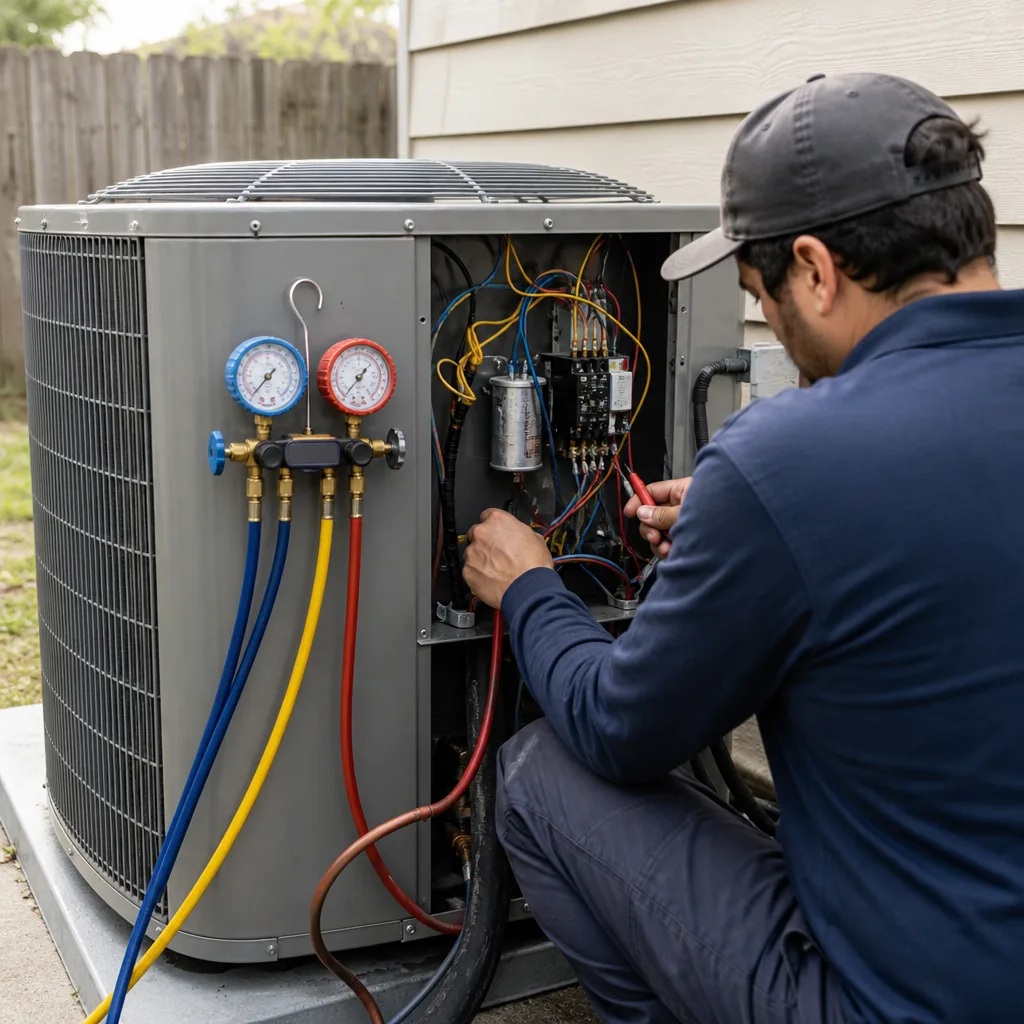 After
After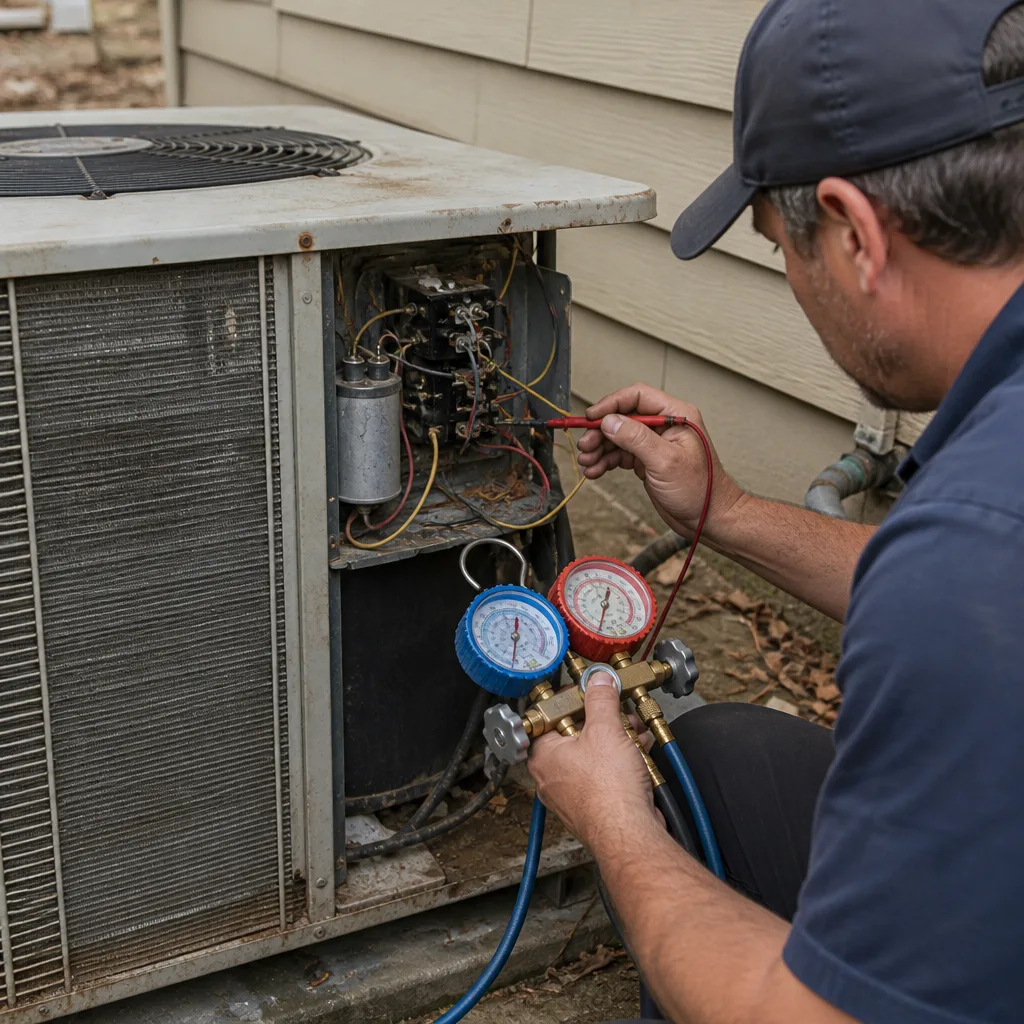 Before
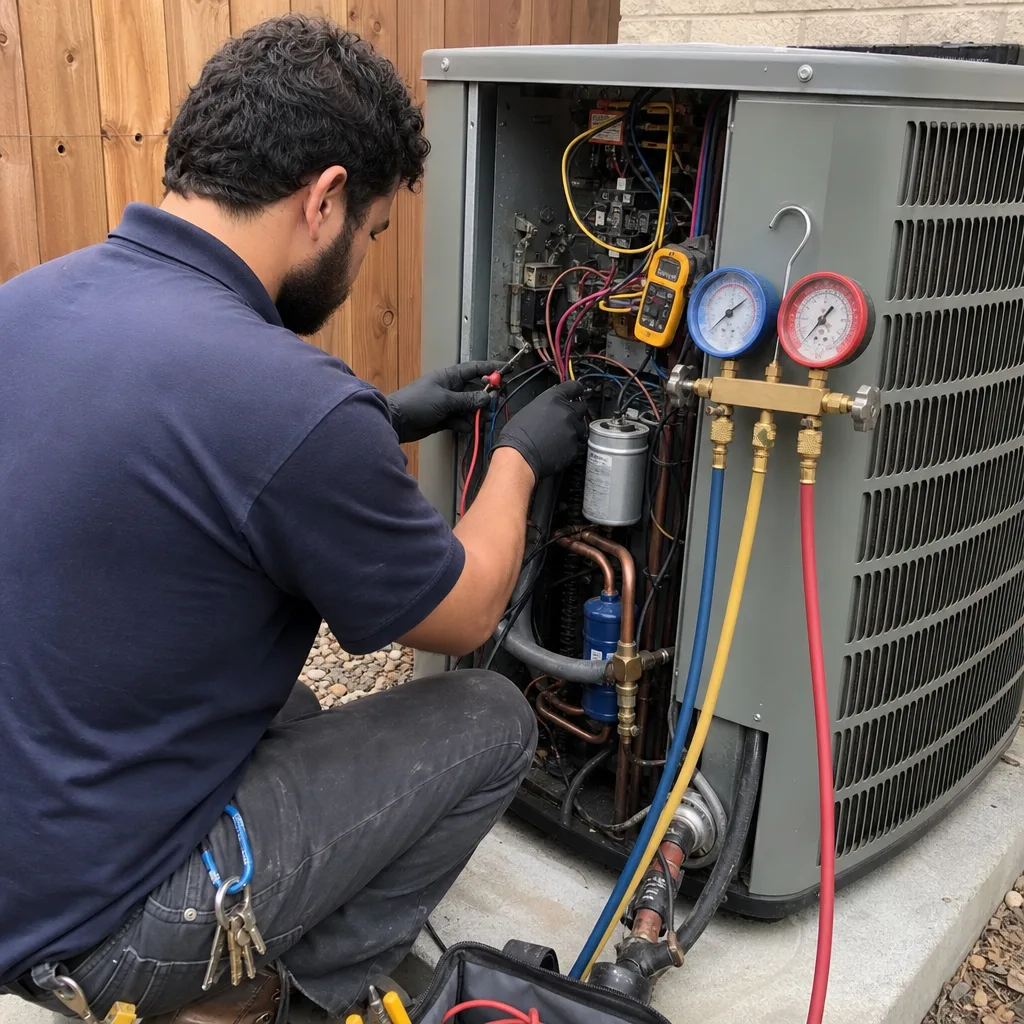 After
After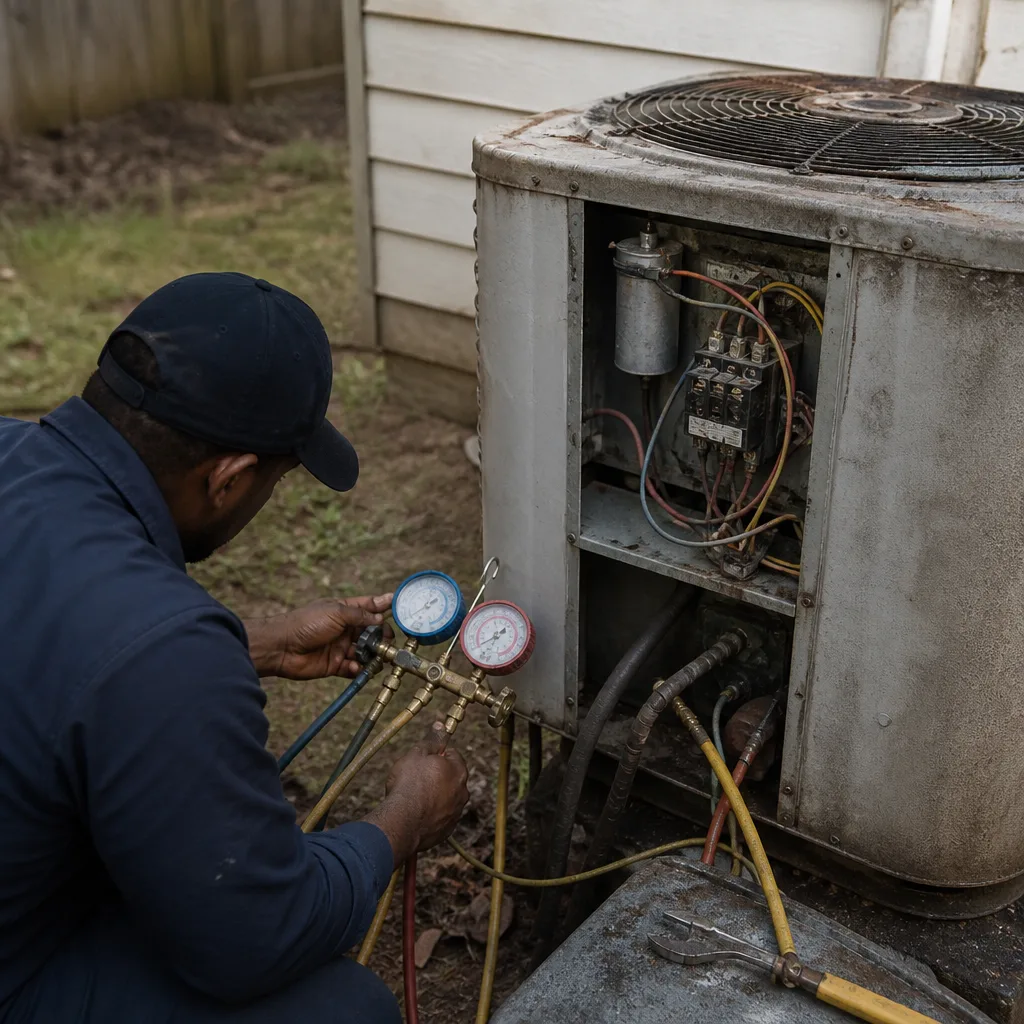 Before
 After
After