
Last updated October 16, 2026
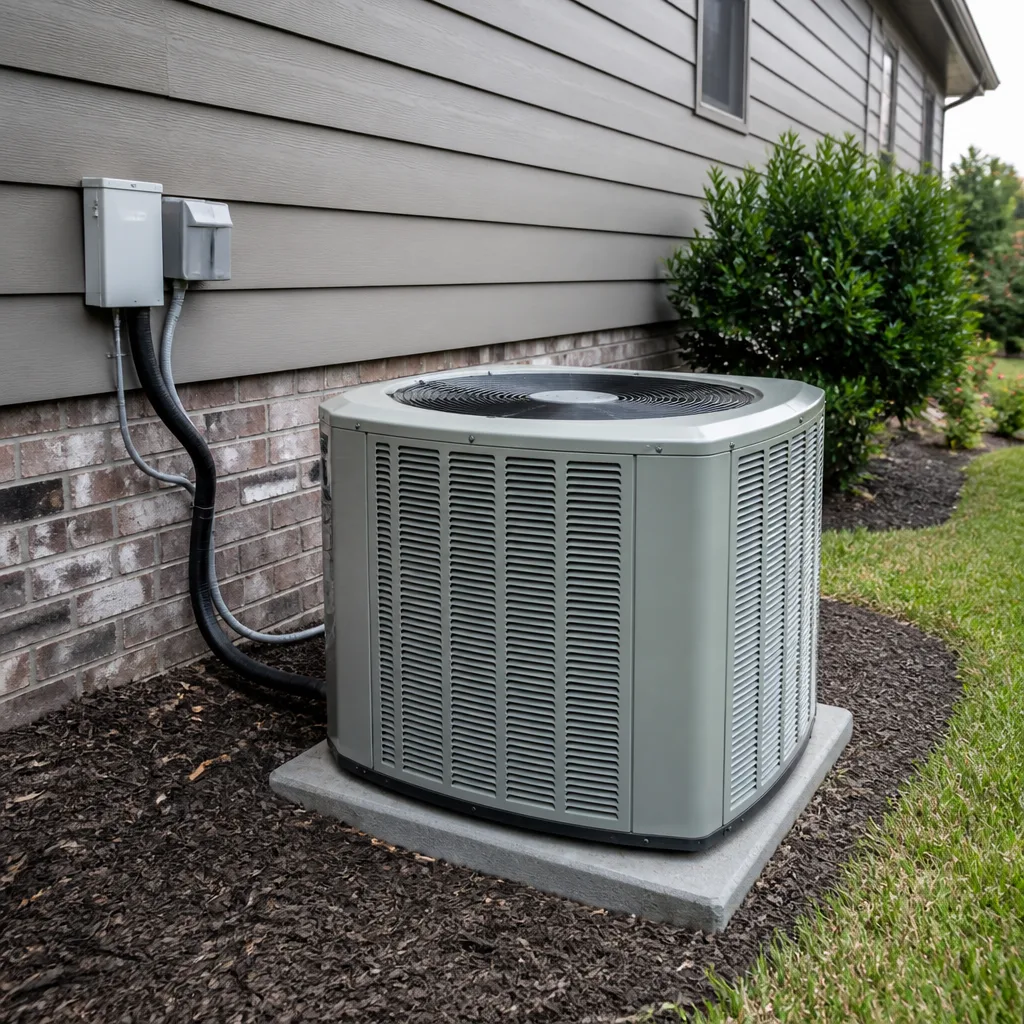 AC repair
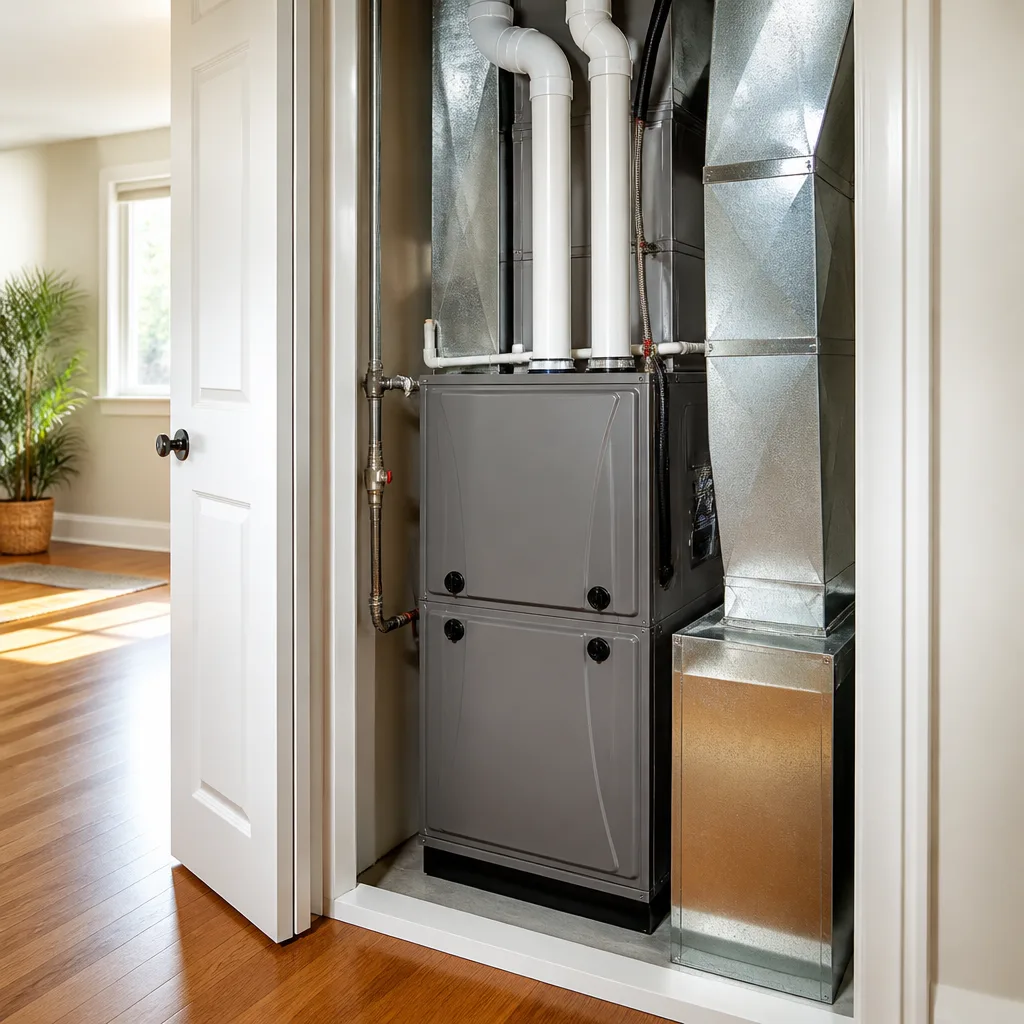 Furnace & heating
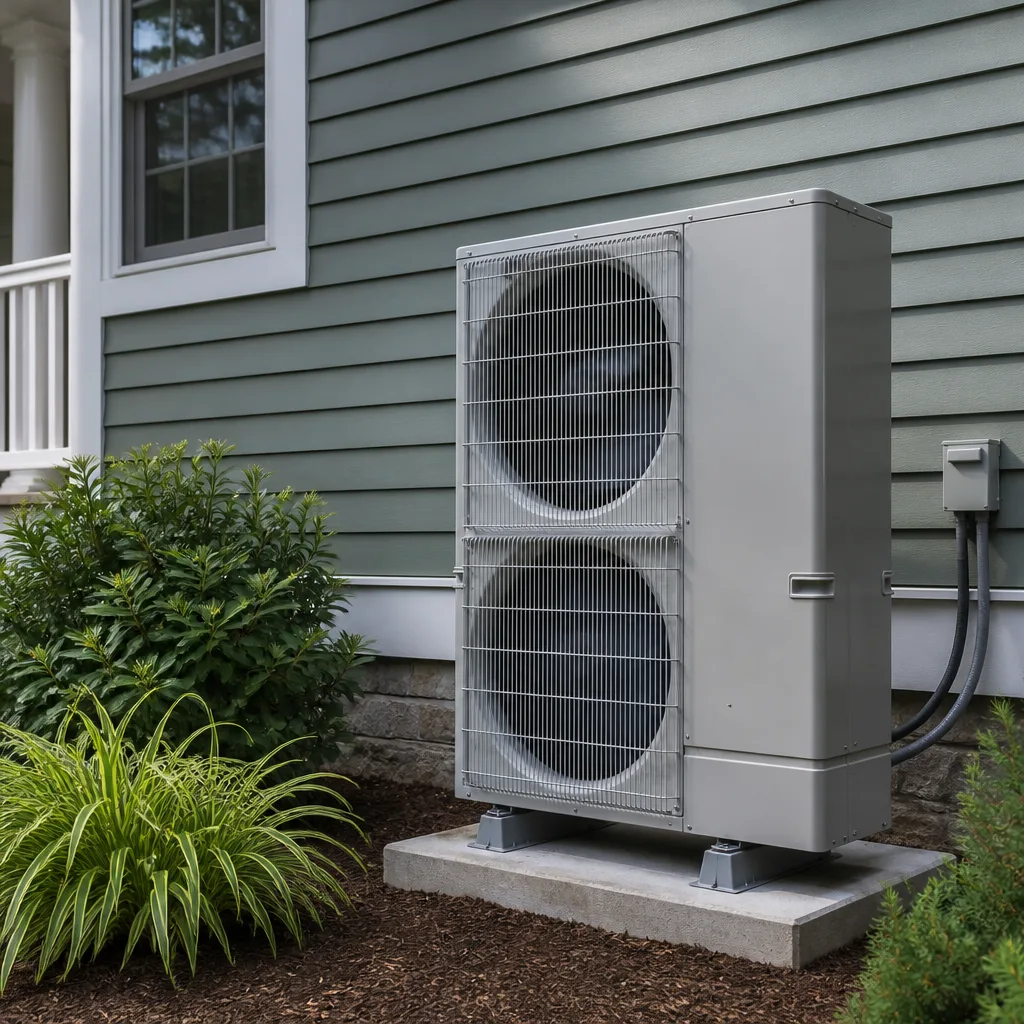 Heat pumps
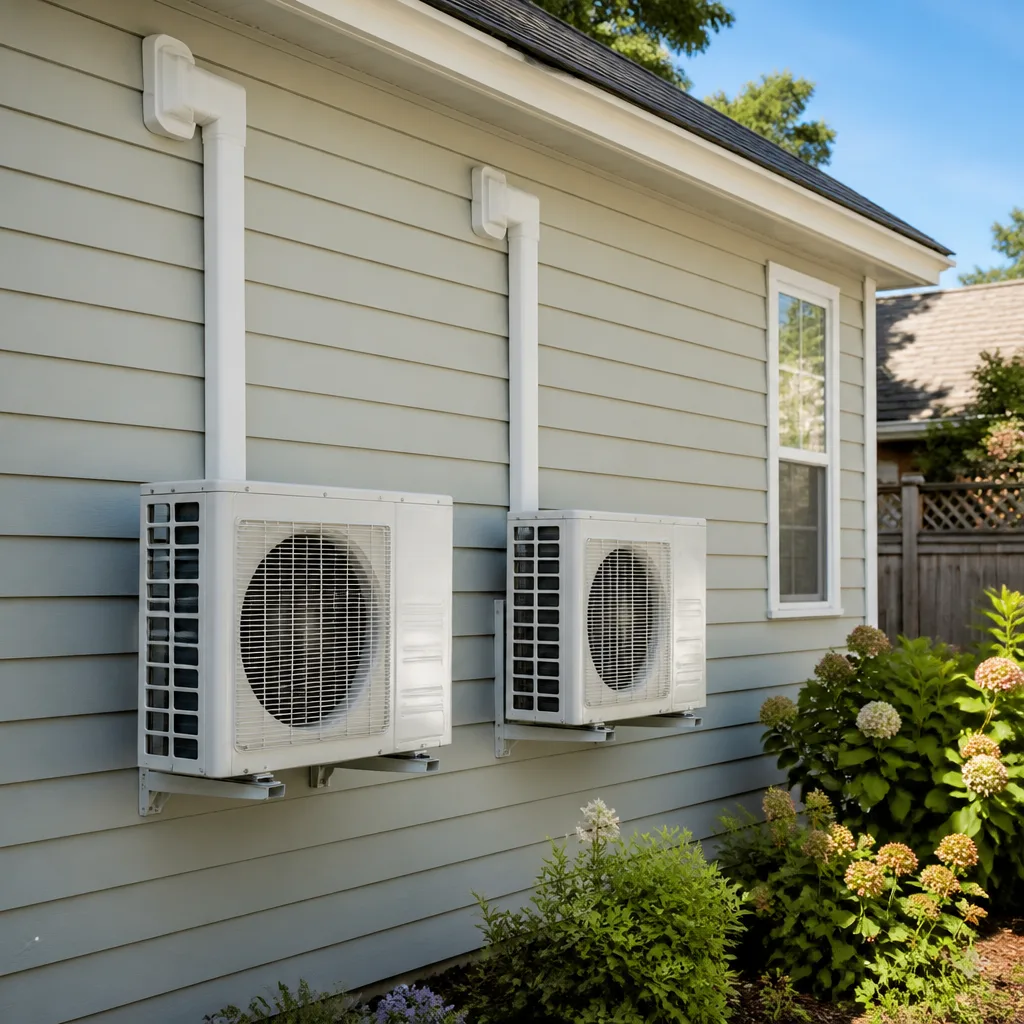 Ductless mini splits
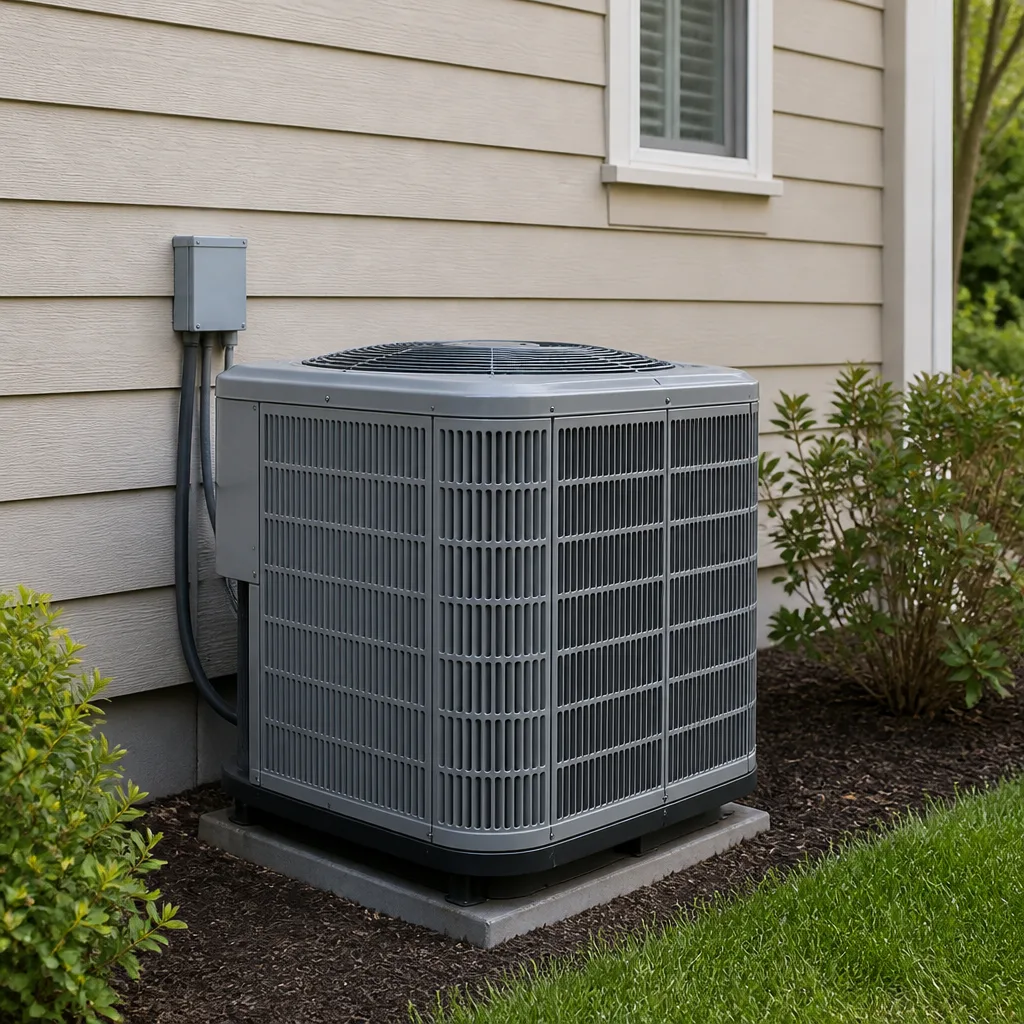 Carrier
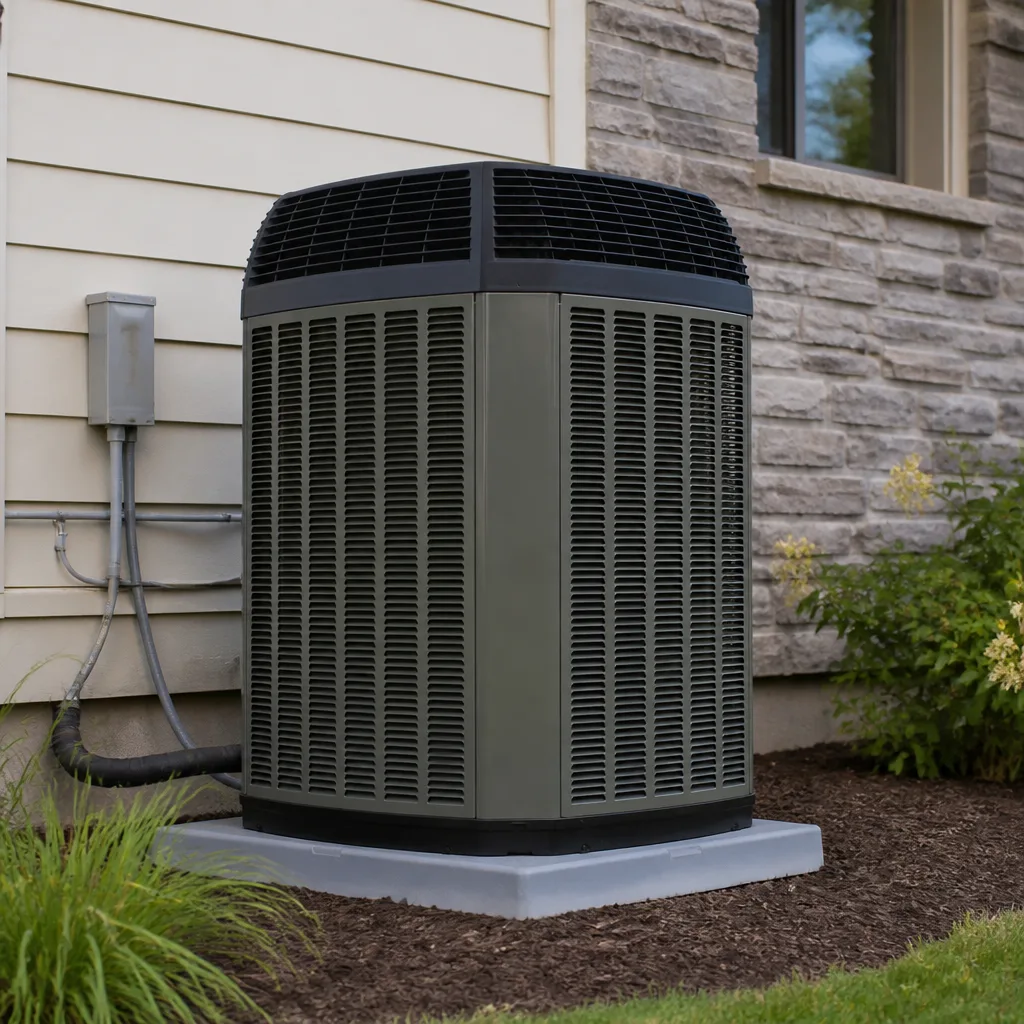 Trane
Trane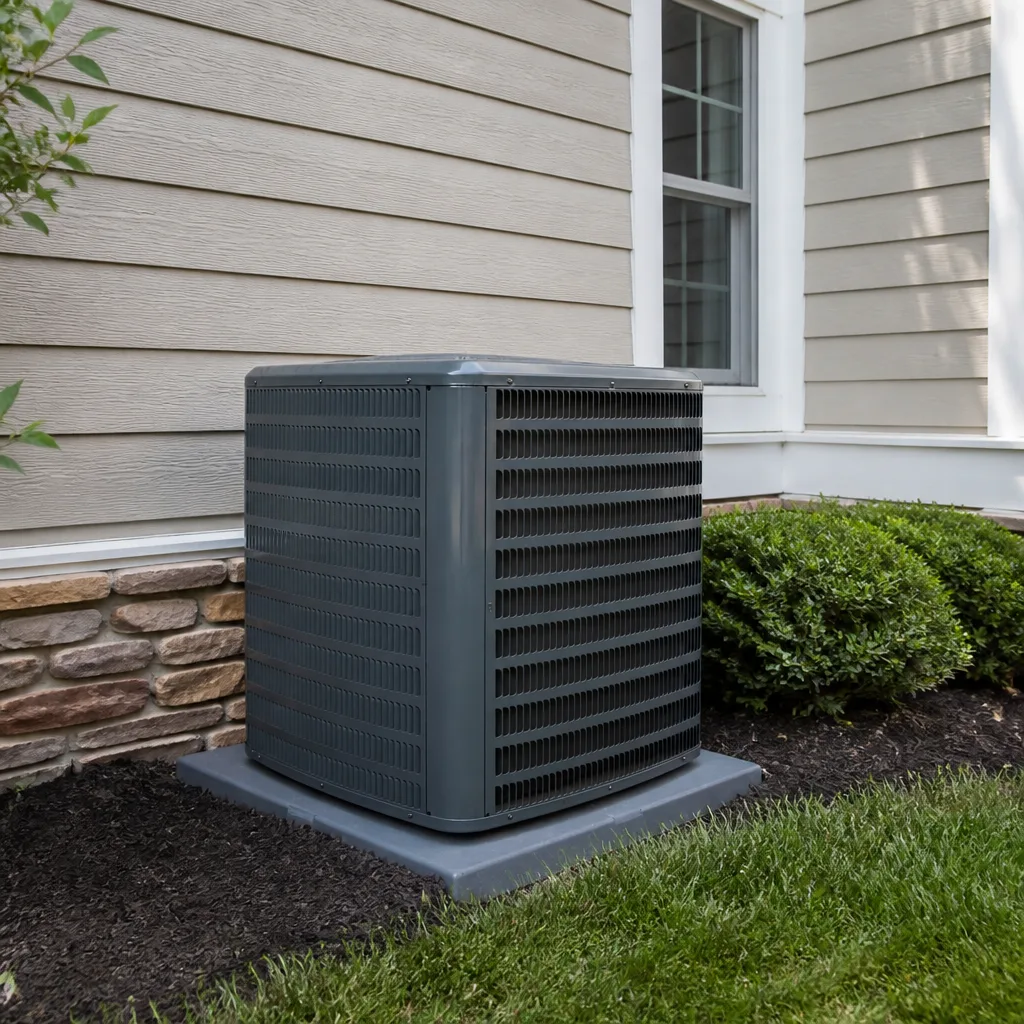 Goodman
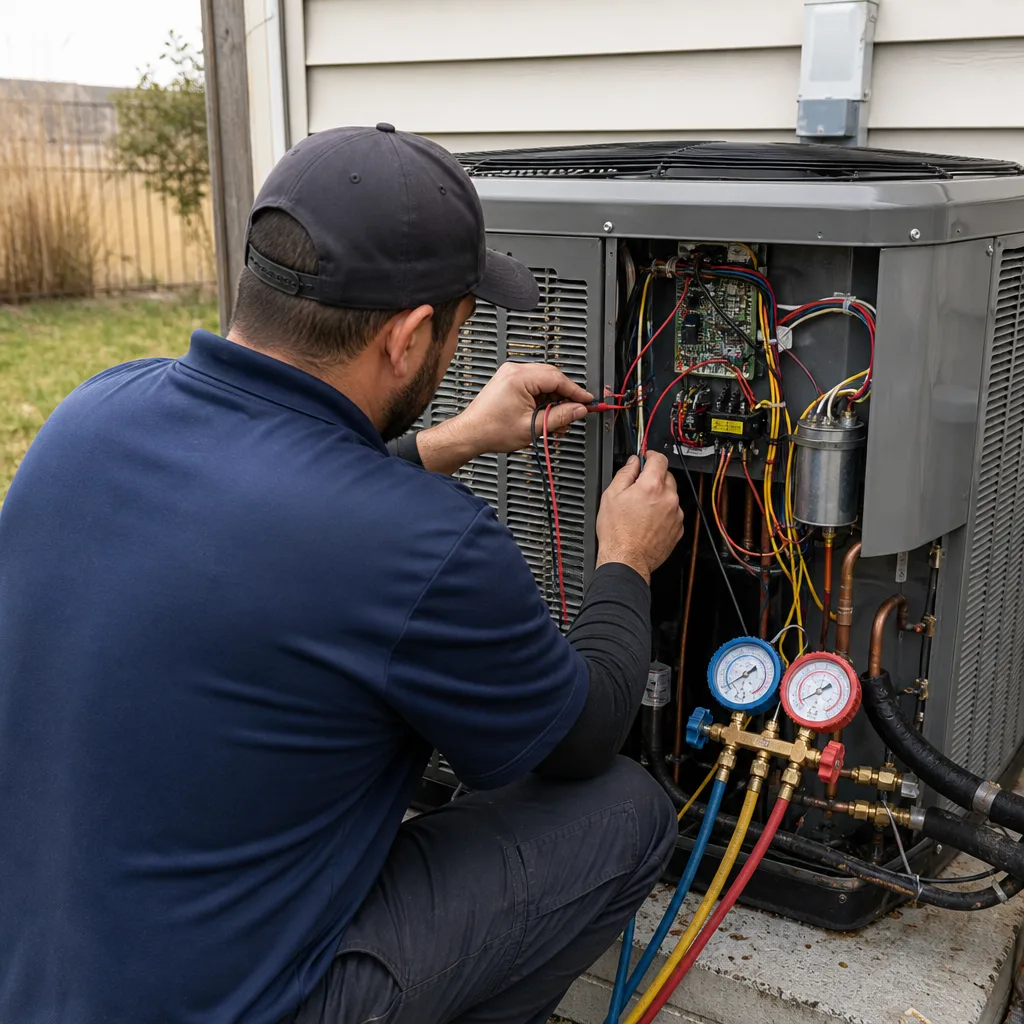
Seasonal tune-up and full diagnostic on your Carrier, Trane, or Goodman system - readings shown to you before any repair is proposed
Diagnosis first, numbers second - you approve the repair price before a single part goes in.
Get your free estimateHVAC Cost Breakdown: The Austin Homeowner’s Reference for 2026
Here’s what the national data won’t tell you: the average HVAC replacement figures published by major home-improvement sites in 2025 are running $1,000 to $3,000 below what Austin homeowners actually pay. The gap isn’t contractor greed. It’s Austin’s specific combination of post-2021 freeze demand, a tight skilled-labor market, city permit requirements, and a refrigerant transition that’s reshuffling equipment pricing across the board. This guide breaks down every line item on an Austin HVAC quote so that when you sit down with a contractor, no number is a surprise, and for more guides & resources on keeping your system running, explore our blog. You’ll learn what each component should cost in this market, where contractors pad, and how to read a bid like someone who’s done this before.
Styles & brands we work with
Quick Answer
A full HVAC system replacement in Austin in 2026 typically costs between $9,500 and $18,000 for a standard single-family home, depending on system size, efficiency tier, and equipment brand. That installed price includes equipment, labor, city permit fees, refrigerant, disposal of the old system, and a written warranty, but those components are priced very differently from contractor to contractor. A repair visit in Austin runs $175 to $550 for most issues, with more involved repairs like compressor or blower motor replacement reaching $900 to $2,400.
Table of Contents
- The Line-Item Breakdown: What an Austin HVAC Quote Actually Contains
- The R-410A Phaseout and What It Means for Austin Homeowners
- Installed Cost vs. Equipment Cost: Why Austin Quotes Vary by 40%
- Austin Permit Fees for Mechanical Work and How to Avoid Markup
- How to Read a Low-Bid Austin HVAC Quote Without Getting Burned
- Austin Repair Costs by Component: What Things Actually Cost to Fix
- Maintenance Pricing and What a Tune-Up Should Include at This Price
- Common Mistakes to Avoid
- When to Call a Professional
- Frequently Asked Questions
- The Bottom Line
The Line-Item Breakdown: What an Austin HVAC Quote Actually Contains
Most homeowners see one number at the bottom of a quote and treat it as a single price. That’s a mistake. A complete Austin HVAC replacement quote contains six distinct cost components, and each one has its own market range in this city. When you understand the components, you can ask questions that immediately reveal whether a contractor is being straight with you.
Here is what a full-system replacement quote in Austin should show, with realistic 2026 ranges for this market:
- Equipment: $4,200 to $9,800 for the condenser, evaporator coil, and furnace or air handler, depending on efficiency tier (14 SEER up to 20+ SEER) and brand. A Goodman or Rheem system lands at the lower end. Lennox and York tend to run higher. This is the raw hardware cost.
- Labor: $2,800 to $5,500. This includes removal of the old system, installation of the new one, duct connections, refrigerant line work, electrical connections, and startup testing. Austin’s labor market commands a premium over national figures because the post-freeze rebuild pulled many experienced techs into commercial work.
- Permit: $180 to $450. The City of Austin requires a mechanical permit for HVAC replacements. This is a hard cost set by the city, not the contractor. More on this below.
- Refrigerant: $150 to $600 depending on system size and refrigerant type. In 2026, new systems ship with R-454B or R-32, but many Austin homes still run R-410A systems, which we’ll cover in the next section.
- Disposal and haul-away: $100 to $300. Removing and properly disposing of an old condenser, furnace, and coil takes time and involves refrigerant recovery that requires EPA certification.
- Warranty: $0 to $800, depending on whether the contractor includes a labor warranty beyond the manufacturer’s parts warranty. Manufacturer parts warranties are typically 10 years when you register the system. A written labor warranty from the contractor is a separate line.
We tell every Austin homeowner we quote the same thing: if a contractor hands you a single number with no line items, ask for the breakdown. A legitimate company will provide it without hesitation. If someone resists, walk away.
The R-410A Phaseout and What It Means for Austin Homeowners
The single biggest pricing wildcard in Austin HVAC work right now is the refrigerant transition. The U.S. is phasing out R-410A, the refrigerant used in most residential systems built between 2010 and 2024. By 2026, new systems in Texas are shipping with R-454B or R-32, which are lower-global-warming-potential refrigerants. That phaseout is already changing what Austin homeowners pay for equipment and repairs.
Here’s what’s happening in practical terms:
- R-410A equipment is being sold through, not restocked. Manufacturers stopped producing R-410A-only units on a set schedule through 2025. The remaining inventory is concentrated in certain sizes and efficiency tiers. If you need a specific configuration, you may be funneled into the newer R-454B systems, which cost 10 to 20 percent more than their R-410A predecessors.
- R-410A refrigerant itself is getting more expensive. As supply tightens relative to demand, the per-pound price of R-410A has risen sharply. A refrigerant recharge in Austin, which means refilling the fluid that moves heat out of your home, now costs $150 to $400 more than it did in 2022 for the same system.
- Some older systems become replacement candidates rather than repair candidates. If a 12-year-old R-410A system develops a refrigerant leak, the math may now favor replacement over a recharge-plus-repair. We walk Austin homeowners through that calculation honestly, and sometimes the repair is still the right call. But you should know the tradeoff exists before you spend $800 on a recharge for a system that may need a $3,000 compressor next.
The practical takeaway: if your system was installed between 2010 and 2024, a repair quote involving refrigerant deserves a second opinion. Ask your contractor which refrigerant your system uses and whether the price you’re being quoted includes the refrigerant line item or buries it under “miscellaneous materials.”
Installed Cost vs. Equipment Cost: Why Austin Quotes Vary by 40%
Two Austin contractors can quote the exact same Carrier or Rheem system and land $4,000 apart. The reason is almost always in the gap between equipment cost and installed cost. Equipment cost is what the contractor pays the manufacturer or distributor for the hardware. Installed cost is what you actually pay for the working system in your home. The gap between those two numbers is where Austin quotes diverge.
In our experience, the gap between equipment cost and installed cost varies by as much as 40 percent between contractors. That gap represents labor, overhead, permit handling, warranty provisions, disposal, and margin. A contractor running a tight operation with trained, background-checked techs will have a higher gap than a one-truck operator working without permits or insurance. That higher gap is not automatically a ripoff. It often reflects real costs: workers’ compensation insurance, ongoing technician training, a live person answering the phone, and a warranty department that actually returns calls.
What you should do with this knowledge:
- Ask each contractor for the installed price, not the equipment price. Equipment-only quotes are meaningless because you cannot install a system yourself.
- If one quote is dramatically lower, ask what’s included. Specifically, ask about permits, disposal, and warranty labor. Those are the line items that quietly disappear from low bids.
- Request the equipment model number and verify what tier it is. A 14 SEER Goodman and a 17 SEER York are not comparable systems, and the price difference should reflect that.
For most Austin homes in the 1,800 to 2,600 square foot range, a properly installed mid-efficiency system from a licensed contractor should land in the $9,500 to $14,000 range in 2026. Below $8,000 for a full replacement with permit and warranty included, we would want to see the line items before saying it’s legitimate.
Austin Permit Fees for Mechanical Work and How to Avoid Markup
The City of Austin requires a mechanical permit for HVAC replacements and many repair-scope jobs that involve new equipment, so review our HVAC Permits, Codes & Inspections in TX: What You Need to Know before you start. The permit fee schedule for residential mechanical work is set by the city’s Development Services Department, and in 2026 most residential HVAC permits fall between $180 and $450 depending on the scope and value of the work.
Here’s the issue: some contractors mark up the permit fee as a profit line. They charge you $700 for a permit that cost them $260. That’s why you should ask to see the permit fee as a separate line item and confirm it matches the city’s published schedule.
How to confirm your contractor isn’t padding the permit:
- Ask for the permit fee as a separate line on the written quote. It should say exactly what the city will charge.
- Ask who files the permit and when. The contractor should file it before work begins, not after.
- Ask for the permit number once the job is scheduled. A legitimate company will have it or will produce it promptly.
- If a contractor tells you a permit “isn’t necessary” for a full system replacement in Austin, that’s a red flag. Full replacements require permits in this city, and unpermitted work creates problems when you sell the home.
We include the exact permit fee on every written quote we give Austin homeowners, and we file the permit ourselves. The permit cost is a pass-through, not a profit center. If a contractor won’t show you the fee, you don’t know what else they’re hiding in the number.
How to Read a Low-Bid Austin HVAC Quote Without Getting Burned
A low bid looks like a win until the system fails in August and the contractor’s phone goes to voicemail. In Austin’s climate, where summer temperatures routinely cross 100 degrees, a failed HVAC system is a health risk, not an inconvenience. So the stakes on a bad install are higher here than in most markets.
When a quote looks too good, these are the three line items that usually disappear:
- The permit. As covered above, unpermitted work carries real risks and may complicate a future home sale. If the permit line is missing, ask why.
- The warranty labor provision. A manufacturer’s parts warranty doesn’t pay for labor. If a compressor fails in year two, the part may be free but the 6 hours of labor to replace it is not. A quote with no written labor warranty is a quote that quietly shifts future cost onto you.
- Ductwork evaluation and sealing. Austin homes leak conditioned air through duct joints, especially in attics that hit 130 degrees. A cheap quote often skips duct inspection entirely, which means your new high-efficiency system is blowing cold air into a hot attic. Proper duct sealing adds $400 to $1,200 to a job and is one of the first things to vanish when a contractor is cutting price.
What we tell homeowners comparing bids: get three quotes, but don’t automatically take the lowest. Take the one that shows every line item, explains every number, and gives you a written price before work starts. At Brandt HVAC Co Austin home, we put our entire quote in writing before we touch a single component. That’s not a sales tactic. It’s how we make sure you know exactly what you’re paying and why.
Austin Repair Costs by Component: What Things Actually Cost to Fix
Most Austin HVAC calls are repairs, not replacements. Here’s what common repairs cost in this market in 2026, parts and labor included. These ranges reflect what we see across Austin’s housing stock, from the 1970s ranches in Allandale to the newer construction in Mueller and Circle C.
- Capacitor replacement: $150 to $325. This is the most common repair in Austin. A capacitor is the small cylinder that helps the compressor and fan motor start. When it fails, which the heat accelerates, the system hums but doesn’t turn on.
- Condensate drain clearing: $120 to $280. Austin’s humidity means drain lines clog with algae and sludge. Simple fix, but left alone, a clogged drain can trip a float switch and shut the system down, or worse, leak water into the ceiling below.
- Thermostat replacement: $180 to $450, including the thermostat. A basic programmable model lands low; a smart thermostat with Wi-Fi lands higher.
- Contactor replacement: $140 to $300. The contactor is the relay that delivers power to the compressor. Austin’s heat means they cycle constantly and wear out.
- Blower motor replacement: $650 to $1,600 depending on whether it’s a standard PSC motor or a variable-speed ECM motor. This is a more involved repair that requires removing the blower assembly from the air handler or furnace.
- Refrigerant leak repair and recharge: $600 to $2,400 depending on leak location and how much refrigerant the system lost. If the leak is in the evaporator coil and the system is older, this is when we start talking about replacement math.
- Compressor replacement: $1,400 to $3,200. This is the big one. In Austin, a compressor failure on a system out of warranty often becomes a replacement conversation, because you’re spending thousands on a component in a system that may have other aging parts.
Every repair we do includes a written guarantee. If a repair fails within the guarantee period, we return free of charge under our 365-Day Done Right Promise. That’s not marketing language; it’s a written guarantee that says exactly what it covers and for how long. You’ll want that in writing from any contractor you hire in Austin.
For more detail on what we repair and how we price it, see AC Repair in Austin. If you’re dealing with a furnace issue instead, Furnace Repair in Austin covers the heating side.
Maintenance Pricing and What a Tune-Up Should Include at This Price
Austin’s climate punishes HVAC equipment. Long cooling seasons, high humidity, and dust from construction and allergens mean systems here need attention at least once a year, ideally twice, in spring and fall-see our Seasonal HVAC Care for Austin: Year-Round Homeowner’s Guide for what to schedule when. A residential maintenance visit in Austin typically runs $110 to $260 in 2026 depending on what’s included.
A tune-up should never be a $99 bait price that becomes a $700 repair pitch on arrival. A legitimate maintenance visit at this price point should include:
- Condenser coil cleaning, which means removing the outdoor unit’s protective cage and flushing out the coil fins
- Refrigerant level check on systems that use a fixed orifice or TXV metering device
- Capacitor and contactor testing under load
- Condensate drain inspection and clearing
- Blower and fan motor amp draw check
- Thermostat calibration and cycle testing
- A written report of what was found, what’s fine, and what’s wearing out, with photos
The written report matters more than most people realize. A good maintenance tech shows you the actual measurements, not a verbal “everything looks good.” A capacitor that’s reading weak today may fail in July. That’s the kind of thing a real tune-up catches. Our AC Maintenance in Austin visits produce a written report every time, and our technicians are not paid on what they sell. That last point matters because it removes the incentive to invent problems. Ask any contractor you’re considering whether their techs earn commission on repair recommendations. If the answer is yes, find out what else you should know about how their pricing works.
Common Mistakes to Avoid
- Shopping on brand name alone. A Goodman installed well will outperform a Lennox installed poorly. The installer matters more than the logo on the condenser. Prioritize the contractor’s reputation, warranty terms, and written price over the brand label.
- Accepting a verbal quote. If it’s not in writing, it didn’t happen. In Austin’s market, a verbal quote protects the contractor, not you. Every line item should be written, including the permit fee and what the warranty covers.
- Skipping the duct inspection. Replacing a system without checking ducts is like putting new tires on a car with bent rims. Austin attics are brutal on ductwork. Ask whether the quote includes a duct evaluation, and if not, why not.
- Deferring maintenance until something breaks. Austin summers don’t forgive neglect. A $150 capacitor caught during a tune-up becomes a $300 emergency call on a Saturday in August, plus a night of no cooling.
- Choosing the lowest bid by default. We covered this above, but it bears repeating: the low bid often has missing permit, warranty, or ductwork line items that become your future expense.
- Not asking who is coming to your home. You should know the name and face of the person walking through your door. Ask the company whether they send you technician information before the visit. If they can’t or won’t, that’s a signal about how they run their business.
- Ignoring the refrigerant phaseout. If you have an R-410A system and you’re quoted a repair involving refrigerant, ask how the phaseout affects the math. Don’t learn about it after you’ve spent $900 on a recharge for a system nearing end of life.
When to Call a Professional
DIY has its place. HVAC is rarely it. Call a licensed Austin HVAC contractor when your system won’t start or won’t cool, when you hear grinding or screeching from the condenser or air handler, when your energy bill spikes without explanation, or when the system is short-cycling, which means turning on and off repeatedly-our HVAC Warning Signs: A Austin Homeowner’s Reference Guide covers the full checklist. Also call when you smell burning from the vents, when your thermostat shows an error, or when water is pooling around the indoor unit. Any of these can be the early signal of a larger failure. And if your outdoor unit is making a humming noise but the fan isn’t spinning, cut power at the breaker and call someone. That humming can be a locked compressor drawing current, which becomes a fire hazard if left running. Brandt HVAC Co Austin offers free estimates in Austin; call (361) 326-1553 and a live person will answer, any hour, any day.
Frequently Asked Questions
A full system replacement in Austin typically costs between $9,500 and $18,000 in 2026, with most single-family homes landing in the $10,000 to $14,000 range for a mid-efficiency system with permit, disposal, and warranty labor included. The price varies by system size, efficiency tier, brand, and the specific contractor’s labor and warranty structure. Call (361) 326-1553 for an exact quote on your home; estimates are free and written before any work begins.
Austin HVAC prices run above national averages due to post-2021 freeze demand that strained the local contractor base, higher prevailing labor rates, city permit requirements, and the R-410A refrigerant phaseout driving up equipment and refrigerant costs. The national sites publishing cost data are averaging in markets with lower labor costs and no comparable weather-driven demand spike. When you quote in Austin, you’re paying Austin rates.
A common rule of thumb is to multiply the repair cost by the system’s age; if that number exceeds the cost of a new system, replacement makes more sense. In Austin specifically, a refrigerant leak or compressor failure on a system over 10 years old often tips the math toward replacement, especially given the R-410A phaseout making repairs on older systems progressively more expensive. We’ll walk you through the numbers honestly before we ever ask you to make a decision.
Most residential HVAC mechanical permits in Austin fall between $180 and $450 in 2026, set by the city’s Development Services Department based on the scope and value of the work. The permit fee should appear as a separate line on your quote, and the contractor should file it before work begins. If a contractor is charging $600 or more for a permit line, ask to see the city’s fee schedule.
Yes, many Austin homeowners qualify for utility rebates through Austin Energy for high-efficiency systems, and manufacturers like Rheem, Goodman, Lennox, and York run seasonal rebate programs on qualifying equipment. Federal tax credits for high-efficiency heat pumps and air conditioners are also available through the Inflation Reduction Act in 2026. Your contractor should handle the rebate paperwork rather than leaving it to you. Ask about rebates before you sign, and get the rebate value written into the quote.
Ask the company to send you the technician’s name and photo before the visit, and require that the technician show a photo ID badge at the door. Every Brandt HVAC Co Austin technician is background-checked and identity-verified under the Threshold Verified standard, and we send you the tech’s name and photo before we arrive. If anyone shows up who you were not told to expect, that visit is on us and we make it right. That’s a standard you should expect from any contractor working in your home.
The Bottom Line
Austin HVAC pricing in 2026 is higher than national averages, driven by local labor costs, permit requirements, post-freeze demand, and the R-410A phaseout. The smart way to approach a replacement or repair is to demand a line-item written quote, understand the permit fee, confirm the warranty labor terms, and ask who is coming to your home. A good contractor will show you every number and explain every component. A bad one will hide behind a single figure. Austin’s climate makes your HVAC system a health and safety asset, not a convenience, and the decisions you make about it should be as informed as any other significant investment. Get the quote in writing. Ask the questions. And call (361) 326-1553 if you want a straight answer from a live person, any time.
Written by Devin Marlowe, Owner at Brandt HVAC Co Austin, serving Austin since 2003.
See the difference
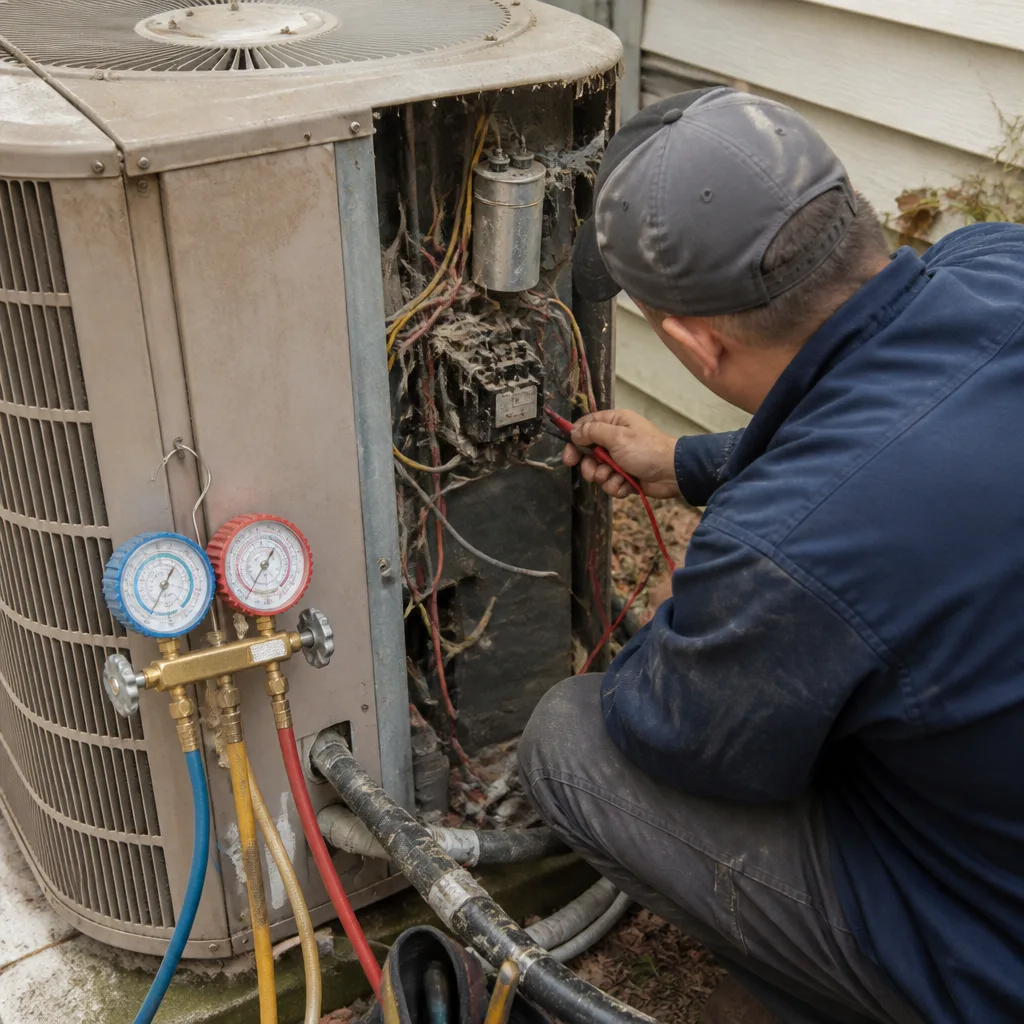 Before
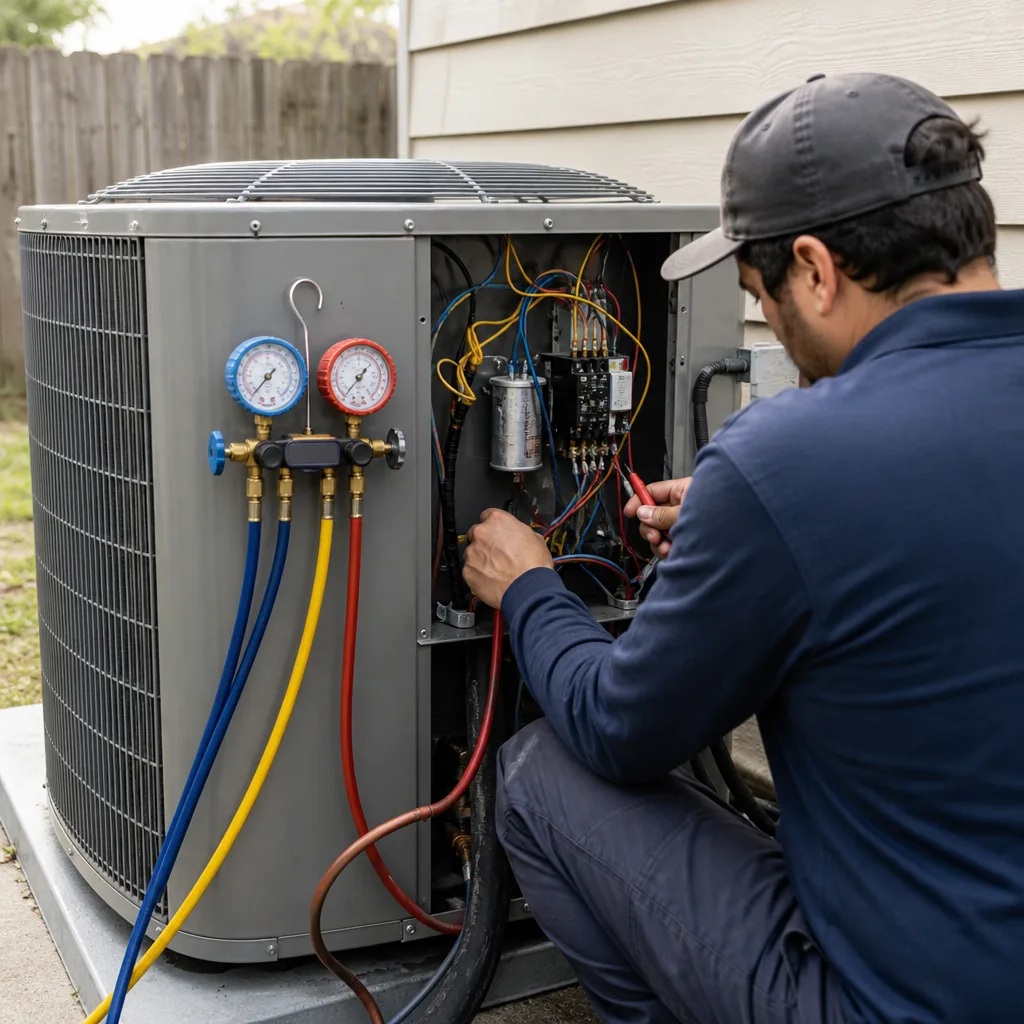 After
After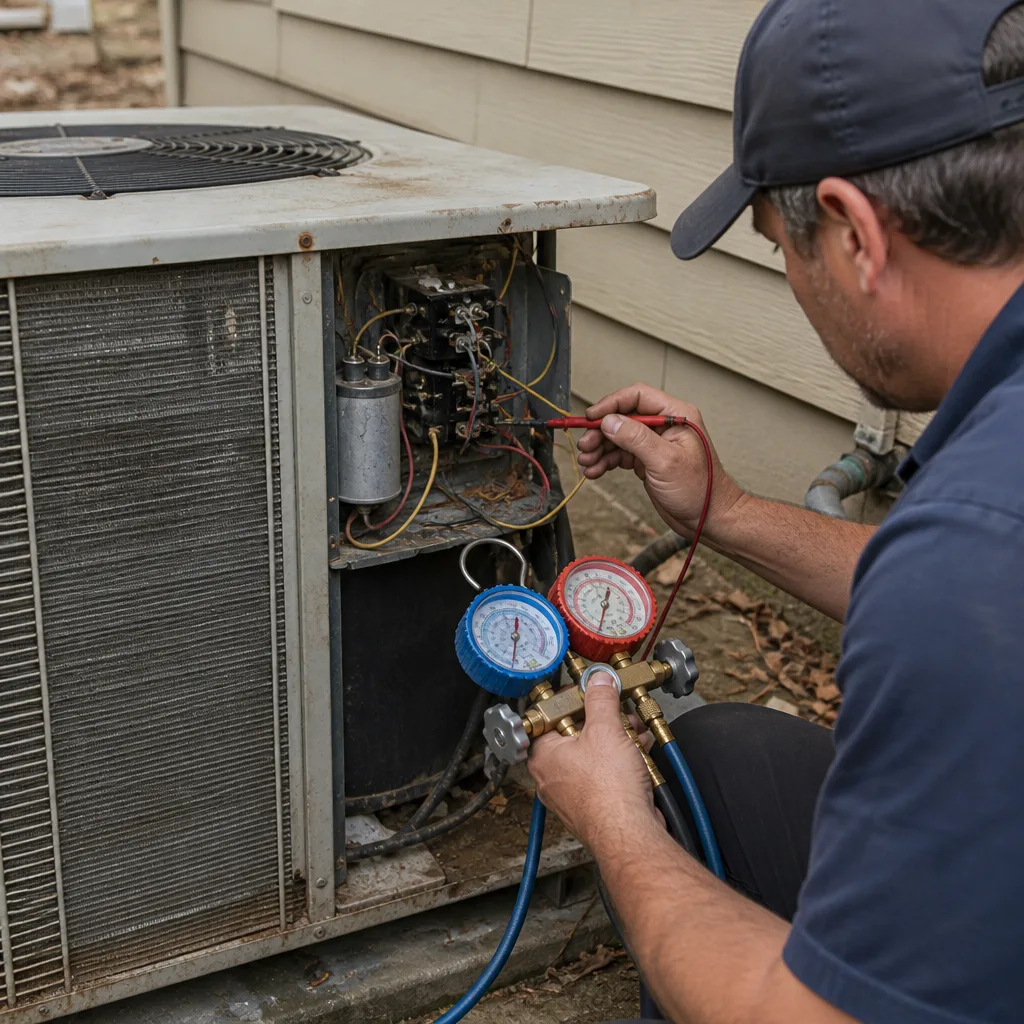 Before
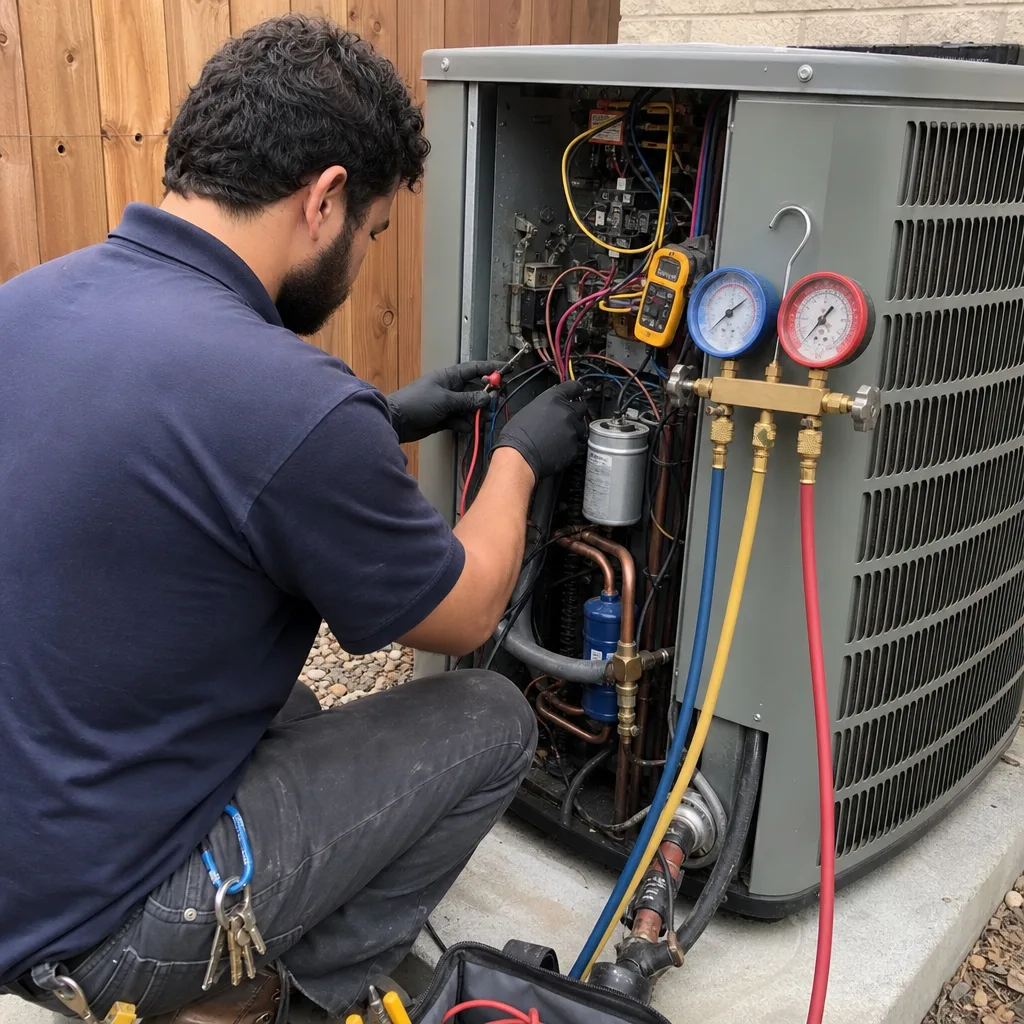 After
After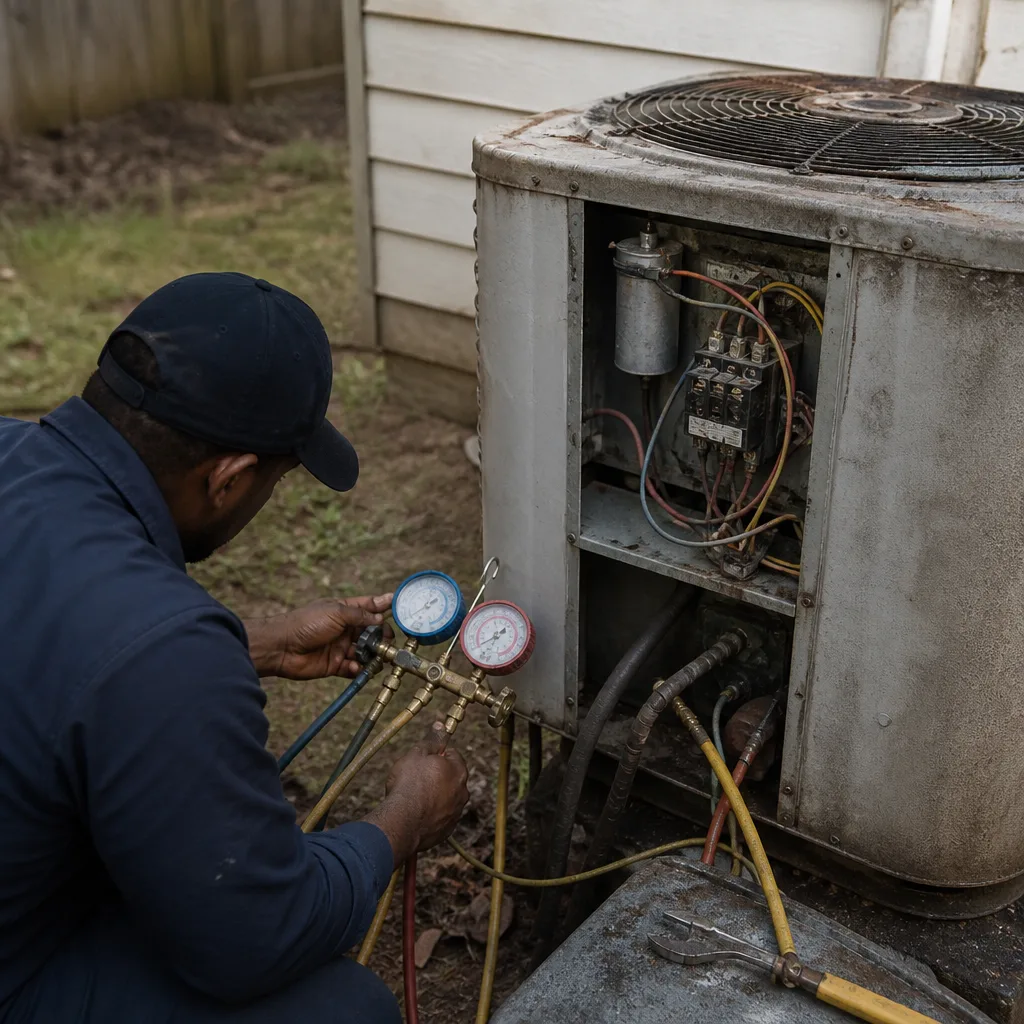 Before
 After
After